In the ever-evolving world of fashion, understanding quality is essential for every buyer. What are the key factors in fashion quality? Buyers often find themselves overwhelmed by choices. This can lead to impulsive purchases that result in buyer's remorse. The right knowledge can empower consumers.
Fabric, craftsmanship, and fit are critical elements. Each plays a role in the longevity of a garment. For instance, materials like organic cotton or silk usually indicate higher quality. If the seams and stitches are uneven, it suggests poor craftsmanship. Such details matter more than most realize.
Buyers should also consider brand reputation. A trusted brand often reflects commitment to quality. Yet, relying solely on brand names can be misleading. Some lesser-known labels offer outstanding quality. The key is to remain discerning and do thorough research. Quality is an investment and deserves careful consideration.
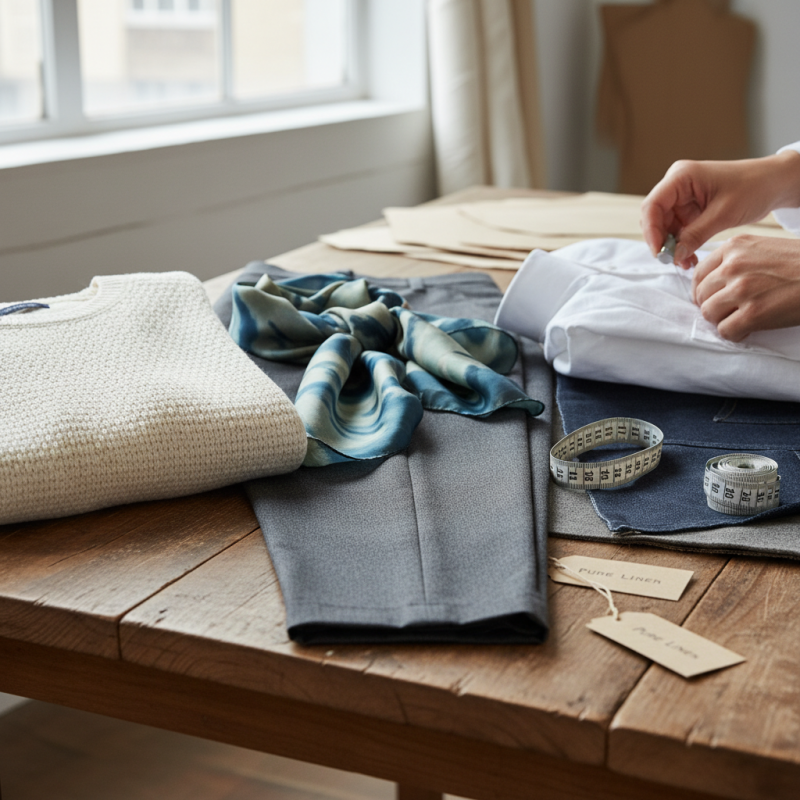
Fabric quality plays a crucial role in fashion. High-quality fabrics enhance a garment's durability and comfort. In a survey by the Fashion Institute of Technology, 75% of consumers have stated they would pay more for superior fabric. This highlights the growing demand for quality over quantity.
Different fabrics serve varied purposes. For instance, natural fibers like cotton and linen are breathable and soft. Synthetic fibers such as polyester can offer durability and are often more affordable. However, the environmental impact of these materials cannot be overlooked. A report from the Ellen MacArthur Foundation revealed that only 1% of plastic clothing is recycled. Buyers should consider not just aesthetics but sustainability.
Understanding fabric quality requires knowledge. Not all expensive fabrics guarantee superior performance. Grades of fabric can differ vastly, even within the same type. Many consumers may be surprised to learn that a high price doesn’t always equal high quality. Observing fabric weight, weave, and finish is essential. These details determine how a piece will wear over time. It’s a learning curve for many consumers.
Understanding the importance of fabric quality in fashion items is crucial for making informed purchasing decisions. This chart highlights the key factors influencing fabric quality as perceived by buyers in 2026.
When evaluating clothing, construction techniques are crucial for achieving durability and fit. The quality of stitching often determines a piece's longevity. Look for tight, even stitches that hold the garment together securely. For instance, double-stitched seams enhance strength, especially in high-stress areas like armholes and waistbands. The choice of thread also matters; polyester threads resist fraying better than cotton threads.
Fit involves more than just measurements. A well-constructed garment drapes correctly over the body, offering comfort and movement. Pay attention to the cut of the fabric. Bias cuts can provide a flattering silhouette. However, not all shapes work for every body type, and some may require alterations.
Remember that even the best construction can't make up for poor design. An appealing style might have a compromised fit. Always assess how a piece fits before buying. Some garments might look great on a hanger but can fall short when worn. Be willing to try them on and evaluate how they feel during real movement. This approach empowers you to choose wisely.
Sustainable fashion practices are essential in today's marketplace. To identify these practices, look for transparency in production processes. Brands should openly share their sourcing, manufacturing, and distribution methods. Traceability builds trust between consumers and companies.
Tip: Check for certifications that indicate adherence to environmental and ethical standards. These can guide you towards brands committed to sustainability.
Consider the materials used in clothing. Natural fibers, recycled fabrics, and low-impact dyes are positive indicators. However, not all natural materials are created equal. Cotton, for instance, can require significant water and pesticides.
Tip: Research and compare the environmental impact of fabrics before making a purchase. It's important to understand that while a brand may use sustainable materials, their production processes can still be harmful. Choose wisely.
Recognizing trends in fashion design is essential for buyers aiming to enhance their wardrobe quality. Today’s fashion landscape is dynamic. Designers are influenced by cultural shifts, sustainability, and technology. These factors usher in styles that resonate with consumers. However, not all trends prioritize quality. Some focus solely on aesthetics. This can lead to garments that lack durability.
When evaluating fashion quality, consider the fabric. Natural fibers typically offer better longevity. Innovations in textile technology are also noteworthy. However, they may compromise the feel of the garment. A balance must be struck between trend and texture. Buyers should educate themselves about material composition. Research the benefits of organic versus synthetic fabrics. This awareness guides informed buying decisions.
Trends may sometimes overshadow timeless style. Fast fashion can create a cycle of waste. It encourages impulsive purchases that often result in regret. Commit to conscious shopping; assess each piece for its long-term value. Quality is not just about price. It also encompasses craftsmanship and design integrity. Embracing this mindset ensures your fashion choices reflect both current trends and enduring quality.
Understanding how brand reputation affects perceived quality is crucial for fashion buyers. A study by the Fashion Institute of Technology indicates that 80% of consumers consider brand reputation before purchasing. This factor significantly impacts their perceived value of an item.
Reputation shapes consumer expectations. A brand known for luxury often commands higher pricing, even if the quality varies between collections. Interestingly, a consumer report found that 75% of buyers are willing to pay more for brands with favorable reputations. This implies that a strong reputation can mask quality issues.
Yet, not all reputations are based on reality. The rise of influencer marketing has complicated perceptions. A high-profile endorsement may boost a brand's visibility. However, if the product fails to meet quality standards, it could lead to backlash. Trust can be eroded quickly. This highlights the need for brands to maintain transparency and deliver on promises.
: Inspect the stitching quality. Look for tight, even stitches and double-stitched seams in high-stress areas.
The cut and drape of the fabric play crucial roles. Bias cuts can provide a flattering silhouette.
Some garments may look appealing on a hanger but can fit poorly when worn. Real movement reveals true comfort.
Look for transparency in production practices and certifications that indicate ethical and environmental standards.
No, some natural materials like cotton can be water-intensive and pesticide-heavy. Research materials before purchasing.
A strong brand reputation can enhance perceived value. However, this may not reflect the actual quality of products.
A high-profile endorsement may boost visibility but can lead to backlash if product quality is subpar.
No, even the best construction cannot compensate for a poorly designed garment. Fit must be assessed before purchase.
Compare the environmental impact of fabrics. Some sustainable materials may still have harmful production processes.
No, not all reputations are based on reality. Scrutinize claims and ensure transparency from brands.
In the quest to answer the question, "What Are The Key Factors In Fashion Quality," it is crucial to consider several elements that significantly impact the overall quality of fashion items. First and foremost, the importance of fabric quality should not be underestimated, as it directly affects the garment's feel, durability, and performance. Additionally, construction techniques play a pivotal role in ensuring both durability and a proper fit, influencing how well a piece can withstand wear over time.
Sustainability practices in fashion production are increasingly recognized as essential, as eco-friendly methods can enhance quality while appealing to conscientious consumers. Furthermore, remaining attuned to current trends in fashion design allows buyers to appreciate how evolving aesthetics and functionality can affect perceived quality. Ultimately, a brand's reputation also contributes to how consumers perceive quality, solidifying the connection between all these factors in the fashion industry.
