In 2026, apparel buyers face more than a simple premium-versus-budget decision. They compare fabric quality, construction, comfort, repair options, and long-term value. This guide examines What Are The Differences Between Premium And Budget Apparel through practical buying details. Think of two shirts on a shop rail. One has dense stitching, smoother seams, and fabric that keeps its shape after washing. The other feels lighter, twists slightly, and may lose softness quickly.
Premium clothing often uses better fibers, stronger trims, careful pattern cutting, and stricter quality control. However, a higher price does not guarantee superior performance. Brand image, marketing, and store location can increase costs. Budget apparel can also offer useful basics, especially for short-term needs or changing sizes. The real comparison requires evidence.
Ayesha Barenblat, founder of Remake and a recognized fashion sustainability expert, states, “We need to move from a linear take-make-waste model to a circular one.” Her point matters for both price categories. Buyers should ask whether a garment can survive repeated wear, washing, alteration, or resale. Cost per wear may reveal more than the checkout price. Still, calculations are imperfect. People wear different styles, work in different environments, and care for clothes differently. A premium wool coat may earn its price through ten winters. A budget cotton shirt may be reasonable for occasional use. This article will compare materials, craftsmanship, comfort, ethics, durability, and total ownership cost, helping readers make informed choices without assuming expensive always means better.
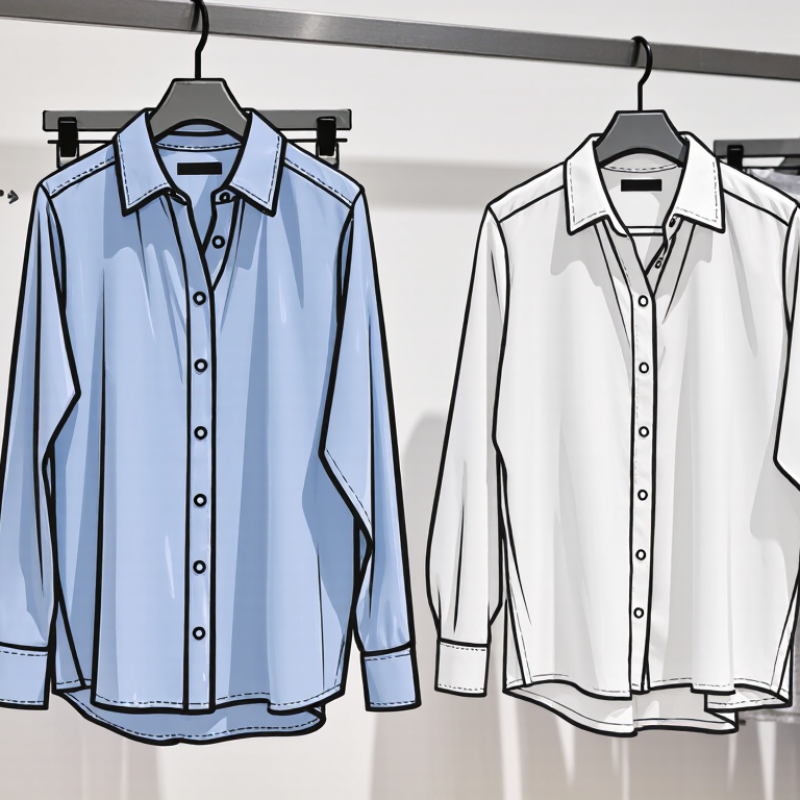
In 2026, premium apparel means more than a polished price tag. It usually combines traceable fibers, careful stitching, better fit, and longer repair potential. A dense cotton shirt may feel firmer at the collar and cleaner along the seams. Small details matter.
Budget apparel focuses on accessible pricing and practical daily use. Manufacturers often simplify patterns, reduce finishing steps, or choose widely available synthetic and blended fibers. The fabric may feel lighter, and buttons may use basic plastic. However, affordable does not automatically mean careless. Some budget pieces perform well after repeated washing.
Premium garments often include clearer care instructions and more consistent sizing. Their makers may explain material origins, production methods, and expected durability. Buyers should still inspect claims rather than trust impressive wording. Transparency can be incomplete.
I once assumed a heavier jacket would last longer, but its weak zipper failed first. That experience changed how I judge quality.
A useful comparison starts with touch and construction. Check shoulder alignment, seam density, pocket reinforcement, and fabric recovery after stretching. Then consider your wearing habits. A commuter may value abrasion resistance, while an occasional buyer may prefer softness. Premium clothing can justify its cost through frequent use, but only when its performance matches the price. Budget clothing may be wiser for changing sizes, short-term needs, or experimental styles. Labels can mislead. Your own inspection remains important.
2026 Best Premium vs Budget Apparel Differences for Buyers?
Premium apparel usually shows its value through material selection and construction, not price alone. Textile Exchange reported 124 million tonnes of global fiber production in 2023, with polyester representing about 57% (Materials Market Report 2024). This scale makes fiber quality important. Long-staple cotton, tightly woven wool, and responsibly produced cellulosic fibers often feel more stable after washing. Yet “premium” is not automatically better. A high price can hide average fabric density or weak finishing.
Inspect the garment closely. Look for even stitching, reinforced stress points, secure buttons, and neat seam allowances. Flat seams reduce rubbing under the arms and along the waistband. Heavier fabric can resist abrasion, but weight alone proves little. The International Wool Textile Organisation notes that fiber length, yarn quality, and fabric structure all influence wool durability. Budget clothing may use lighter fabric and simpler seams, but it can still perform well when construction is consistent.
Durability needs evidence.
WRAP research found that extending clothing life by nine months could reduce carbon, water, and waste footprints by around 20–30% (Valuing Our Clothes). Buyers should check shrinkage instructions, colorfastness, and repair access before purchasing. I have found one weakness in this comparison: laboratory strength does not fully predict daily comfort. A durable shirt that feels stiff may be worn less often. The best choice balances material resilience, construction quality, fit, and realistic use.
| Comparison Dimension | Premium Apparel | Budget Apparel | Why It Matters to Buyers |
|---|---|---|---|
| Typical retail price per basic garment | Approximately $60–$180 for a T-shirt, shirt, or casual top | Approximately $8–$35 for a comparable basic garment | Price reflects fabric quality, labor, finishing, design complexity, and expected service life; it is not a guaranteed measure of quality. |
| Fiber selection | More frequent use of long-staple cotton, fine wool, linen, silk, lyocell, or carefully engineered blends | More frequent use of standard cotton, polyester, viscose, acrylic, or lower-cost blends | Fiber length, fineness, and consistency influence softness, pilling resistance, moisture handling, and appearance retention. |
| Fabric weight and density | Often medium-to-heavy or tightly woven; T-shirts commonly measure about 180–260 g/m² | Often lighter or more loosely constructed; T-shirts commonly measure about 120–180 g/m² | Denser fabric generally offers better opacity and abrasion resistance, although heavier fabric is not always more comfortable or durable. |
| Yarn and surface consistency | More even yarns with controlled slubs, fewer visible defects, and smoother finishing | Greater variation in yarn thickness, surface texture, and minor visual imperfections | Consistent yarns improve the garment’s appearance and can reduce weak points that develop into holes or fuzzing. |
| Seam construction | More consistent seam allowance, reinforced stress points, secure thread tension, and cleaner finishing | Simpler seams, fewer reinforcement points, and greater variation in stitching quality | Strong, even seams reduce seam opening, thread breakage, and distortion after repeated movement and washing. |
| Stitch density | Usually higher and more uniform; commonly about 10–14 stitches per inch on key seams | Often lower or less consistent; commonly about 7–10 stitches per inch on key seams | Higher stitch density can improve seam stability, but thread quality and seam design also affect performance. |
| Closures and trims | More durable zippers, buttons, snaps, elastic, labels, and edge finishes; trims are usually better secured | Lower-cost trims with simpler attachment and less reinforcement | Trims are common failure points; secure attachment reduces missing buttons, broken zippers, and stretched waistbands. |
| Color and finish retention | More controlled dyeing and finishing; typically better resistance to early fading, twisting, and loss of shape | Greater risk of fading, uneven shrinkage, surface fuzzing, or shape change after frequent washing | Care instructions, water temperature, detergent, drying method, and exposure to sunlight strongly affect results. |
| Expected useful life with regular wear | Often about 3–8 years for frequently worn basics when properly cared for | Often about 1–3 years for frequently worn basics, depending on use and care | Useful life depends on wear frequency, laundering, abrasion, fabric composition, and whether repairs are practical. |
| Pilling and abrasion resistance | Generally better when using longer fibers, tighter construction, and appropriate finishing | More likely to pill or thin at collars, underarms, cuffs, inner thighs, and pocket edges | Pilling is caused by friction and fiber release; it is not determined by price alone. |
| Fit and pattern accuracy | Usually more precise pattern grading, balanced panels, and better control of sleeve, shoulder, and rise proportions | Simpler patterns with broader sizing tolerances and less consistent proportions | A better fit can improve comfort, reduce stress on seams, and make the garment easier to wear repeatedly. |
| Repairability | Usually easier to repair because of stronger fabric, accessible seam allowances, and replaceable trims | Repairs may be less economical when fabric is thin or seams and trims are difficult to access | A repairable garment can deliver lower cost per wear even when its initial price is higher. |
| Estimated cost per wear | Often about $0.20–$1.00 per wear over its useful life | Often about $0.15–$0.70 per wear over its useful life | Cost per wear depends on purchase price, number of wears, maintenance cost, repairs, and replacement frequency. |
Premium and budget apparel can look similar on a product page, yet feel very different in daily use. Fit is often the clearest difference. Premium garments usually offer more precise shoulder placement, balanced sleeves, and cleaner waist shaping. Budget pieces may fit well, but sizing can vary between styles. Try sitting, reaching, and lifting your arms before buying. Tightness across the back reveals problems quickly.
Comfort depends on fabric, seams, and finishing details. A softer material is not always better. Breathable fibers, flat seams, and secure waistbands often matter more during long wear.
Design value appears through stitching, pocket placement, color stability, and how the garment keeps its shape after washing. Premium construction can support longer use, but price alone proves nothing. Some expensive pieces disappoint. That deserves honest attention.
Tips: Compare the garment measurements, not only the size label. Check seam alignment near the shoulders and pockets. Rub the fabric lightly to notice roughness or loose fibers. Read care instructions before purchasing. Estimate cost per wear, but remain realistic about your habits. If you rarely wear formal clothing, a simpler budget option may offer better value. Fit still comes first.
Premium versus budget apparel is not a simple price contest. Buyers should calculate total cost of ownership: purchase price, washing, repairs, replacement, and disposal. A $35 shirt replaced twice may cost more than a $90 shirt worn consistently for four years. That comparison is imperfect, because wear depends on work, climate, movement, and laundering habits. Real life interferes.
WRAP’s Valuing Our Clothes report estimates that extending clothing life by nine months can reduce carbon, water, and waste footprints by about 20–30 percent. This supports durability testing, but it does not prove every expensive garment lasts longer. Check seam density, fabric recovery, zipper alignment, and repair access. Then record pilling and color loss after ten washes. Care costs matter. Cold washing, line drying, and fewer washes usually reduce energy and labor. Delicate fabrics may require professional cleaning, which can erase an initial price advantage.
Textile Exchange’s Materials Market Report 2024 reports 124 million tonnes of global fiber production in 2023. It projects output could reach 160 million tonnes by 2030. That scale makes longer use financially and environmentally relevant. Still, a cheaper item can win when it is washable, versatile, and easy to repair. A premium item can lose when it needs frequent specialist care. My buying rule is deliberately uncomfortable: pay more only for measurable construction, not a polished story. Track wears and care costs for six months. The result may challenge your first judgment.
Choosing the right apparel category starts with the buyer’s daily use, not the label’s price. A budget option often suits children’s clothing, seasonal basics, and fast-changing styles. These items face frequent replacement or rapid size changes. Premium apparel fits buyers who need longer wear, refined construction, or dependable performance. Work jackets, technical outerwear, and tailored garments deserve closer inspection. The choice becomes practical when buyers compare cost per wear.
The BoF-McKinsey State of Fashion 2025 report describes a more value-conscious fashion consumer. That shift makes premium pricing harder to justify without visible benefits. Buyers should inspect seam density, fabric recovery, lining quality, and washing instructions. Try the garment with real movement. Bend your knees. Check pocket strain. A cheaper shirt may win for occasional use, while a stronger one may reduce replacement costs.
Material selection also matters. Textile Exchange’s 2024 Materials Market Report recorded global fiber production at about 124 million tonnes in 2023. It projects growth toward 160 million tonnes by 2030. This pressure makes durability and material transparency more relevant across every price tier. Still, premium does not automatically mean better. I have seen expensive garments with weak buttons and careless finishing. Budget clothing can also surprise buyers when its fabric matches the intended use. Fit remains imperfect. Preferences change. A careful category decision should leave room for both.
Premium apparel generally requires a higher upfront investment but may offer better fabric weight, construction quality, repairability, and longer service life. Budget apparel is more accessible for trend-led purchases, short-term use, and buyers prioritizing low initial cost.
Compare total ownership cost, not only the checkout price. Include washing, repairs, replacement, and disposal. A $35 shirt replaced twice may exceed a $90 shirt worn for four years. The comparison is imperfect. Daily use changes everything.
No. Inspect seam density, fabric recovery, zipper alignment, and repair access. Expensive clothing can still have weak buttons or careless finishing. Test the garment before trusting its story.
Look for dense, even seams and fabric that returns after stretching. Check whether zippers move smoothly and pockets resist strain. Examine lining edges and button attachment. Small details matter.
Record pilling, fading, loose threads, and shape loss after ten washes. Keep notes for six months. Wash the garment according to its care label. Your result may surprise you.
Budget clothing can suit children’s wear, seasonal basics, and rapidly changing styles. These items may face size changes or frequent replacement. Choose washable fabric and simple repairs. Cheap is not always careless.
Premium clothing may help with work jackets, technical outerwear, and tailored garments. Consider it when construction supports longer, dependable use. Try bending your knees and stretching your arms. Movement reveals problems.
Cold washing, line drying, and fewer washes usually reduce energy and labor. Professional cleaning can erase a garment’s price advantage. A delicate fabric may look beautiful but demand expensive attention. That trade-off deserves honesty.
Extending a garment’s life by nine months may reduce related carbon, water, and waste footprints by about 20–30 percent. This supports longer use, not automatic premium buying. Repairability and repeated wear still matter. The evidence is useful, but not perfect.
In 2026, understanding What Are The Differences Between Premium And Budget Apparel helps buyers make more informed clothing decisions. Premium apparel generally emphasizes higher-quality fabrics, precise construction, stronger stitching, better finishing, and longer-lasting performance, while budget apparel focuses on affordability, basic functionality, and wider accessibility. However, price alone does not always determine comfort, fit, or style. Buyers should compare fabric feel, breathability, sizing consistency, design details, and overall versatility before making a purchase.
The best choice also depends on long-term value. Premium garments may cost more initially but can offer greater durability, fewer replacements, and better comfort over time. Budget clothing may be suitable for seasonal trends, occasional use, children’s wear, or buyers with strict spending limits, although it may require more frequent replacement or careful maintenance. By considering purchase price, care costs, expected lifespan, personal priorities, and the purpose of each apparel category, shoppers can select clothing that balances quality, practicality, appearance, and financial value.
