A timeless wardrobe is not built by chasing every new collection. It grows through thoughtful choices, repeated wear, and honest self-knowledge. How To Select Timeless Fashion Pieces begins with understanding your lifestyle, proportions, comfort, and daily routines. A beautiful jacket means little if it stays on a hanger.
In my experience, the strongest pieces combine simple design with dependable construction. Look closely at the stitching, fabric weight, lining, buttons, and finishing. A well-made wool coat should feel balanced on your shoulders, while a cotton shirt should keep its shape after several washes. Neutral colors can help, but timeless style is not limited to black, white, navy, or beige. A muted green or soft burgundy may become a personal signature.
Fit matters more than a famous label. So does versatility. Consider whether one piece works with denim, tailored trousers, knitwear, or formal shoes. Check the care label before purchasing. Dry-cleaning every week may make an item impractical, even when its design feels perfect.
I have made that mistake. An elegant garment can still be wrong for real life.
This guide explores seven practical ways to identify enduring fashion pieces without overspending or copying someone else’s wardrobe. It considers fabric quality, silhouette, color, craftsmanship, comfort, adaptability, and cost per wear. These principles are useful, but they are not strict commandments. Trends occasionally reveal new shapes worth trying, and personal style cannot be measured perfectly. The goal is not to own fewer things at any cost. It is to choose better, wear more, and reflect before buying again.
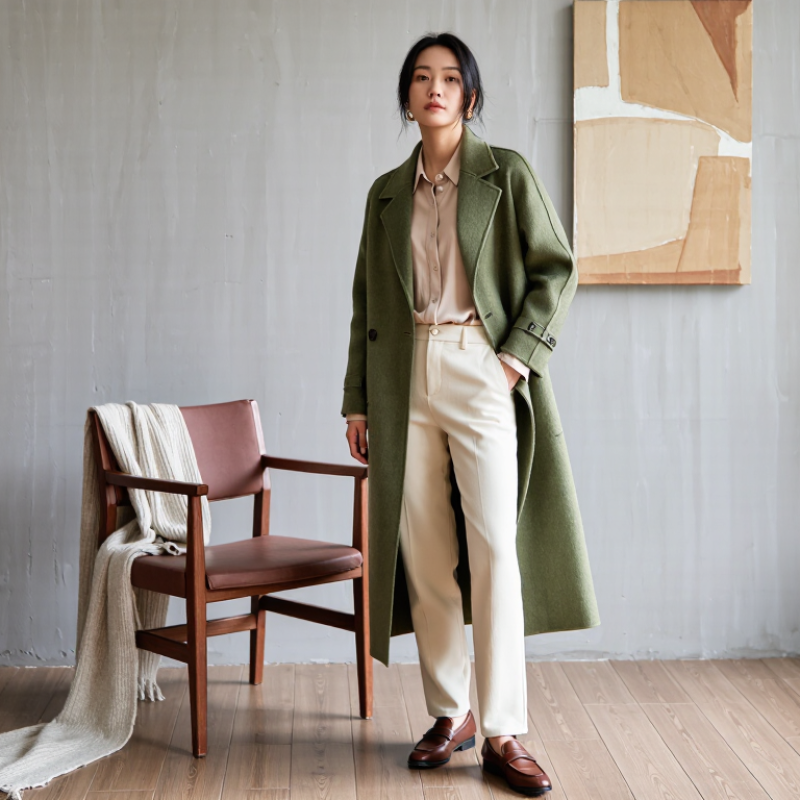
A timeless fashion piece is not simply an old-fashioned item. It earns repeated wear because its shape, fabric, and purpose remain useful. In wardrobe audits, I look for clean proportions, comfortable movement, and colors that work with at least three existing outfits. A white shirt may qualify. A dramatic novelty jacket usually will not. Trends fade quickly.
Material matters too. Dense cotton, responsibly sourced wool, linen, and well-finished leather can often withstand frequent use, but quality is never guaranteed by fiber alone. Check the seams, buttons, lining, and repair options. The WRAP Valuing Our Clothes report found that extending a garment’s life by nine months could reduce its carbon, water, and waste footprints by around 20–30%. That makes durability a practical definition of timelessness, not just an aesthetic preference.
Price can mislead. A costly piece may still feel awkward after two wears. A modestly priced garment can become essential when it fits your climate, work, and daily habits. The 2024 ThredUp Resale Report projected the global secondhand apparel market could reach 350 billion dollars by 2028, signaling stronger interest in lasting, resalable clothing. Still, resale value should not decide everything. I sometimes overvalue “classic” colors and ignore personal style. That is a useful warning. Before buying, wear the item mentally through one ordinary week, including a rushed morning, a cold commute, and a careful wash.
| No. | Selection Method | What to Examine | Reliable Indicators | Suggested Standard | Timelessness Score |
|---|---|---|---|---|---|
| 1 | Choose a Simple Silhouette | Shape, proportions, neckline, closures, and decorative details. | Clean lines, balanced proportions, and limited reliance on seasonal graphics or exaggerated details. | The garment should remain visually appropriate even when current trend details change. | ★★★★★ |
| 2 | Prioritize Durable Fibers | Fiber content, fabric density, surface resilience, and expected care needs. | Even weave or knit, secure fabric recovery, minimal loose fibers, and a fiber choice suited to the garment’s use. | Check the care label and select a material that can withstand the intended frequency of wear and washing. | ★★★★★ |
| 3 | Inspect Construction Quality | Stitching, seam finishes, hems, buttons, zippers, linings, and stress points. | Straight seams, consistent stitches, reinforced stress areas, secure fasteners, and no skipped or loose stitches. | Turn the item inside out and examine areas likely to receive repeated tension or friction. | ★★★★★ |
| 4 | Verify Fit and Comfort | Shoulder placement, ease of movement, rise, sleeve length, and pressure points. | The item allows normal movement, sits smoothly without pulling, and feels comfortable in the intended setting. | Try sitting, walking, reaching, and layering before deciding that the fit is suitable. | ★★★★★ |
| 5 | Select Versatile Colors | Compatibility with existing clothing, personal coloring, and frequency of use. | The color coordinates with at least three existing outfits and works across more than one season or occasion. | Neutral and muted shades are generally easier to combine, but personal wardrobe compatibility matters most. | ★★★★☆ |
| 6 | Assess Care and Repairability | Washing instructions, ironing requirements, replaceable components, and alteration potential. | Care instructions fit your routine, seams can be repaired, and hems or closures can be adjusted or replaced. | Prefer items that can be maintained at home or by a local alterations professional when appropriate. | ★★★★☆ |
| 7 | Calculate Long-Term Value | Expected frequency of wear, useful lifespan, purchase price, and replacement likelihood. | A realistic cost-per-wear estimate: purchase price divided by the number of expected wears. | Choose the item with the strongest combination of quality, usefulness, and expected wear—not simply the lowest price. | ★★★★★ |
Hold the fabric near a window. Dense, even weaving usually resists tearing and abrasion better. Check the fiber label. Touch helps, but it can mislead.
Look for flat seams, even stitches, and secure thread ends. Tug gently around pockets, buttons, and waistbands. Check hems for clean finishing and enough depth.
Pockets, buttons, and waistbands often expose problems first. Loose threads or shifting fabric are warning signs. Small flaws matter.
Wearing clothing for nine extra months may reduce its carbon, water, and waste footprints by about 20–30%. Repeated washing is a useful test. Imagine repairing one loose seam.
Navy, cream, charcoal, olive, and muted brown combine easily. Add one personal accent, such as a rust scarf. Too many neutrals can feel flat.
Choose shapes allowing movement, such as straight trousers or a softly structured jacket. Avoid extreme tightness or volume. Uncomfortable clothing often stays untouched.
Wear a shirt open over a vest, tucked into trousers, or belted over a dress. Try rolled sleeves or a lightweight scarf. Change texture before buying another color.
Photograph your outfits in daylight for one week. Notice repeated gaps and unused combinations. I often overvalue appearance and overlook uncomfortable seams. That mistake is expensive.
Learning How To Select Timeless Fashion Pieces begins with understanding what makes an item remain stylish beyond seasonal trends. Look for clean, balanced designs, high-quality fabrics, and careful construction that can withstand regular wear. Durable stitching, reliable finishes, and materials suited to the garment’s purpose are important signs of long-term value. Neutral or adaptable colors, classic silhouettes, and flexible styling options can also help a piece work across different occasions and personal aesthetics.
A timeless choice should fit naturally into your lifestyle and complement the wardrobe you already own. Consider whether you will wear it often, how easily it can be combined with existing clothing, and whether its fit allows comfort and movement. Care requirements should match your routine, since difficult maintenance may reduce practical value. By balancing design, durability, versatility, fit, maintenance, and cost per wear, you can build a wardrobe of dependable pieces that remain useful and appealing for years.

 SLO Fashion