Why You Should Follow Best Practices for Clothing Care?

Time:2026-06-19 Author:Sienna
0%

Clothing care is often overlooked, yet it plays a vital role in extending the life of our garments. Poor maintenance can lead to premature wear and tear. This raises an important question: What Are The Best Practices For Clothing Care?

Understanding proper techniques can prevent damage. For example, washing in cold water can preserve colors and fabrics. Using gentle detergents also helps maintain quality. Moreover, ironing settings matter; high heat can ruin delicate materials.

Many people neglect these practices, often learning the hard way. A faded shirt or a shrunken sweater can serve as harsh reminders. Taking time to care for clothes can result in longer-lasting favorite pieces in your wardrobe.
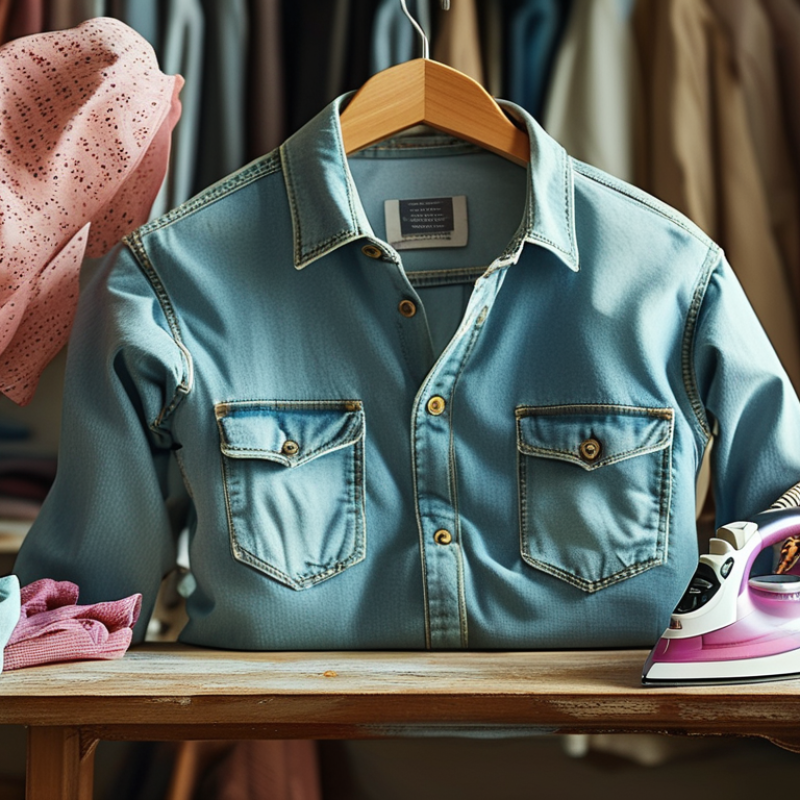
Why You Should Follow Best Practices for Clothing Care?

The Importance of Clothing Care Best Practices

Clothing care is not just about aesthetics; it’s crucial for sustainability and longevity. According to the Ellen MacArthur Foundation, the fashion industry generates over 92 million tons of waste annually. Proper care can extend the life of garments, reducing landfill waste and conserving resources. A simple practice like washing in cold water can decrease energy use significantly.


Most people overlook the impact of their washing habits. Studies show that temperature plays a vital role. Washing clothes in cold water can save about 90% of energy compared to hot water. Additionally, hanging clothes to dry instead of using a dryer can further reduce energy consumption. However, many consumers still rely on dryers, often leading to fabric damage and reduced lifespan.


Even with well-intentioned care, mistakes happen. Not everyone reads care labels carefully. This can result in shrinking or fading. A survey revealed that over 40% of people never follow recommended washing instructions. This lack of attention can accelerate wear and tear. It's essential to cultivate awareness around garment care routines. Understand the right practices and learn from those common mistakes.

Common Mistakes in Clothing Care and Their Consequences

When it comes to clothing care, many people make common mistakes. These errors can lead to significant damage, affecting both the fabric and the fit. For instance, washing clothes in hot water can shrink delicate fabrics. It’s a harsh reality that many face once their favorite shirt becomes unwearable.

Incorrect drying methods also pose real risks. Using high heat can cause fading, while air drying may lead to stiffness in certain materials. It’s important to choose appropriate settings based on fabric types. Tips: Always check garment labels for care instructions. They can guide washing and drying temperatures.

Neglecting proper storage is another oversight. Folding heavy sweaters may cause unwanted creases. Hanging delicate items without protective covers can lead to stretching. Storing clothes in a dark, dry space helps retain their shape and color. Tips: Use padded hangers for delicate fabrics. Consider breathable garment bags for seasonal storage. By being mindful, your clothes can maintain their best appearance longer.

Key Techniques for Washing and Drying Various Fabrics

Washing and drying clothes properly can extend their lifespan. Different fabrics require specific techniques to maintain their quality. Here's a closer look at how to care for various materials.

For cotton, use cold water to wash. This helps reduce shrinkage. Avoid high heat when drying; it can cause fading. Always check the label for specific instructions.

Tips: Pre-treat any stains quickly; this prevents lasting marks. If you notice fraying threads, address it before you wash. Small issues can become big problems if left unchecked.

For delicate fabrics like silk or wool, hand washing is best. Use mild detergent and cool water. Dry these items lying flat to maintain their shape. Using a hanger can stretch them out.

Tips: Invest in a mesh bag for washing delicate items. This minimizes damage during the wash cycle. Remain cautious with new garments; they often have specific needs.

Maintaining clothes isn't just about cleaning; it's about understanding. Each fabric tells a story. Ignoring care labels can lead to regrettable damage over time. Take the time to learn, and your wardrobe will thank you.

Tips for Storing Clothing to Maintain Quality Over Time

Storing clothing correctly is crucial for maintaining quality over time. Proper storage protects fabrics from damage and keeps them looking fresh. Start by cleaning garments before storing them. Dirt and moisture can cause stains or mildew. Folding clothes instead of hanging them can help preserve their shape, especially for delicate items.

Use breathable garment bags for seasonal clothes. Plastic bags can trap moisture, leading to mold. For shoes, use boxes or dust bags to keep them free from dust. Avoid overcrowding your closet. This can cause wrinkles and loss of form. Consider the environment. Excessive heat can weaken fibers, while humidity promotes mold growth. A cool, dry space is ideal.

Even with the best intentions, mistakes happen. You might find items faded or misshaped after storage. Regularly check your stored clothes and rotate them. Sometimes, it’s a learning experience. What worked last year might not fit your needs this year. Learning from these moments can improve your future clothing care practices.

Clothing Care Best Practices

Eco-Friendly Clothing Care: Sustainable Practices to Consider

Caring for your clothing in an eco-friendly way can greatly benefit the planet. Sustainable practices are essential in reducing waste. Simple steps can make a big difference. Washing clothes in cold water saves energy. Line drying instead of using a dryer conserves electricity. These small choices help lower your carbon footprint.

Consider using biodegradable detergents. They are gentle on fabrics and the environment. Avoiding chemical-heavy products can protect local waterways. Also, mending clothes rather than discarding them extends their life. This not only saves money but also fosters creativity. Upcycling old garments into new pieces can be a fun project.

Buying second-hand items is another great option. It reduces demand for new textiles, lowering resource usage. The journey towards sustainable clothing care often requires reflection. Are we buying more than we need? Rethinking our consumption habits can lead to significant change. By embracing these practices, we can all contribute to a greener future.

Why You Should Follow Best Practices for Clothing Care? - Eco-Friendly Clothing Care: Sustainable Practices to Consider

Practice Benefit Eco-Friendly Impact Frequency
Washing in Cold Water Saves Energy Reduces Carbon Footprint Every Wash
Air Drying Reduces Wear and Tear Lowers Electricity Usage After Every Wash
Using Eco-Friendly Detergent Gentler on Fabrics Reduces Water Pollution Every Wash
Proper Storage Extends Clothing Life Reduces Waste Seasonally
Repairing instead of Discarding Saves Money Minimizes Textile Waste As Needed

FAQS

: Why is clothing care important?

: Clothing care preserves garments and promotes sustainability, reducing waste and conserving resources.

How does washing temperature affect energy use?

Washing clothes in cold water can save about 90% of energy compared to hot water.

What is a better alternative to using a dryer?

Hanging clothes to dry reduces energy consumption and prevents fabric damage, extending garment life.

What common mistake do people make with care labels?

Many forget to read care labels, leading to issues like shrinking or fading of garments.

How can I store clothing properly?

Clean garments before storage and fold them to maintain their shape, especially delicate items.

Why shouldn’t I use plastic bags for storage?

Plastic bags trap moisture, which can cause mold. Choose breathable garment bags instead.

What should I avoid when organizing my closet?

Overcrowding can cause wrinkles and misshaping. Keep enough space for air circulation.

How does the environment affect stored clothing?

Excessive heat weakens fibers, while humidity promotes mold growth; aim for a cool, dry storage space.

What should I do if my stored clothes are damaged?

Regularly check and rotate stored items to minimize fading or misshaping. Adjust practices based on past experiences.

Can I learn from my clothing care mistakes?

Yes, reflect on past errors. Learning from them can improve your future care practices.

Conclusion

Clothing care is essential for maintaining the quality and longevity of garments, making adherence to best practices crucial. What are the best practices for clothing care? It begins with understanding common mistakes, such as incorrect washing temperatures or neglecting fabric care labels, which can lead to damage and reduced lifespan of clothing. To properly care for various fabrics, individuals should learn key techniques for washing and drying, ensuring that each item is treated according to its specific needs.

Moreover, proper storage techniques are vital to preserving clothing quality, such as using breathable garment bags and avoiding overcrowding in closets. As sustainability becomes increasingly important, incorporating eco-friendly practices into clothing care, like choosing biodegradable detergents and minimizing water usage, can also contribute to a healthier planet. By following these guidelines, individuals can enhance their wardrobe’s longevity while being mindful of environmental impact.

Sienna

Sienna

Sienna is a skilled marketing professional with a deep expertise in our company’s core products and services. With a passion for innovation and detail, she plays a pivotal role in crafting insightful blog posts that not only highlight the unique features of our offerings but also provide valuable......