When thinking about fashion, seasonal choices matter greatly. Selecting styles for different seasons can feel overwhelming. Understanding how to choose clothing for different seasons is crucial. Your wardrobe should reflect the climate and occasions.
Spring calls for light fabrics and bright colors. Autumn invites layers of textures and warm tones. Each season has its unique flair. Accessories play a significant role, too. A scarf can transform a simple outfit.
It’s important to note that personal comfort matters above trends. Past choices may not always reflect your current style. You might find joy in experimenting with new looks. Don't shy away from mixing different styles. Strive for a wardrobe that feels authentic to you. Adaptability is key, and your style can change with the seasons.
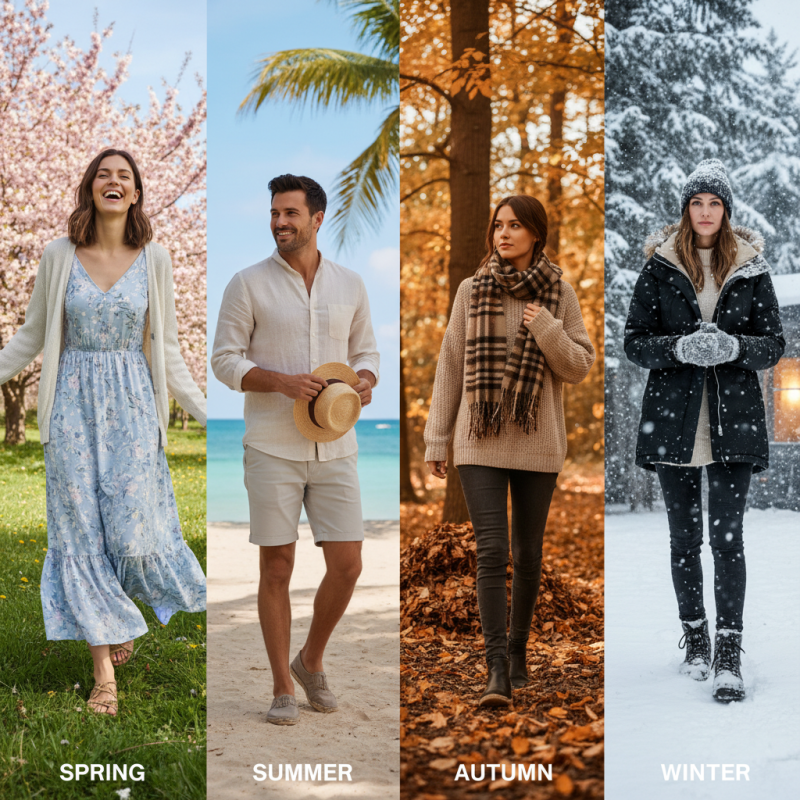
When choosing seasonal clothing styles, understanding trends is crucial. The fashion industry evolves continuously, influenced by climate, culture, and consumer behavior. A recent study revealed that nearly 70% of consumers consider seasonal trends when shopping. This statistic highlights the importance of recognizing the impact of seasons on clothing choices.
Spring often calls for lighter fabrics and vibrant colors. During this season, many opt for floral prints and pastels. Data shows that sales for spring clothing increase by 30% compared to winter styles. However, not all trends resonate with every individual. Personal style and comfort matter too. Some may prefer darker tones even in warmer months, which raises questions. Should we always follow trends, or is self-expression more important?
As summer approaches, comfort becomes a priority. Breathable materials gain popularity, with reports indicating a 40% rise in casual wear sales. However, standing out sometimes means breaking away from the mainstream. The challenge lies in balancing trend adherence and uniqueness. Seasonal clothing should reflect personal taste while acknowledging prevailing trends, creating a nuanced approach to fashion choices.
| Season | Key Trends | Color Palette | Fabric Choices | Style Tips |
|---|---|---|---|---|
| Spring | Floral Patterns, Light Layers | Pastels, Brights | Cotton, Linen | Combine textures; Use light scarves |
| Summer | Breezy Fabrics, Bold Colors | Vibrant Shades, Whites | Cotton, Rayon | Accessorize with hats and sunglasses |
| Fall | Layering, Earthy Tones | Burgundy, Olive | Wool, Cashmere | Mix patterns; Don't forget a cozy scarf |
| Winter | Textured Layers, Dark Shades | Navy, Gray | Fleece, Wool | Invest in quality outerwear; Layer sensibly |
: Seasonal trends influence consumer behavior and choices. About 70% of shoppers consider these trends, affecting their selections.
Spring focuses on lighter fabrics and vibrant colors, with sales increasing by 30% over winter styles.
Comfort is key; breathable materials and casual wear become more popular as temperatures rise.
Not every trend suits everyone. Personal comfort and style can lead to choices that defy mainstream trends.
Analyze your wardrobe. Identify pieces that resonate with your identity and reflect what you enjoy wearing.
Use a neutral color palette for easy mixing and prioritize layering options for changing weather conditions.
Look for breathable materials like cotton and wool that offer comfort and style in different temperatures.
Seasonal reflection is important. Review items that worked or didn’t each year to optimize your wardrobe.
Overstuffing with rarely worn items is a common error. Focus on quality and versatile pieces instead.
Clothing should be enjoyable, not a burden. Reflection ensures your wardrobe aligns with who you are.
When it comes to understanding how to choose clothing for different seasons, it’s essential to first grasp seasonal trends and their influence on fashion choices. By identifying your personal style and how it aligns with these trends, you can make more informed decisions about your wardrobe. Additionally, evaluating the suitability of fabrics and materials for various seasons will help ensure comfort and practicality.
Color palettes also play a crucial role, as selecting hues that complement seasonal changes can enhance overall aesthetics. Ultimately, planning a versatile wardrobe with layering options allows for adaptability, ensuring that you can transition smoothly between the varying demands of the seasons. With these tips in mind, creating a fashionable and functional seasonal clothing collection becomes an achievable goal.

 SLO Fashion