In the fashion industry, the debate between fast and slow fashion is more relevant than ever. "What Are The Differences Between Fast And Slow Fashion?" is a question many consumers ponder as they navigate their clothing choices. Renowned fashion expert, Dr. Sarah J. Williams, emphasizes, "Fast fashion prioritizes trends over sustainability, often sacrificing quality for quantity." This insight highlights a crucial distinction.
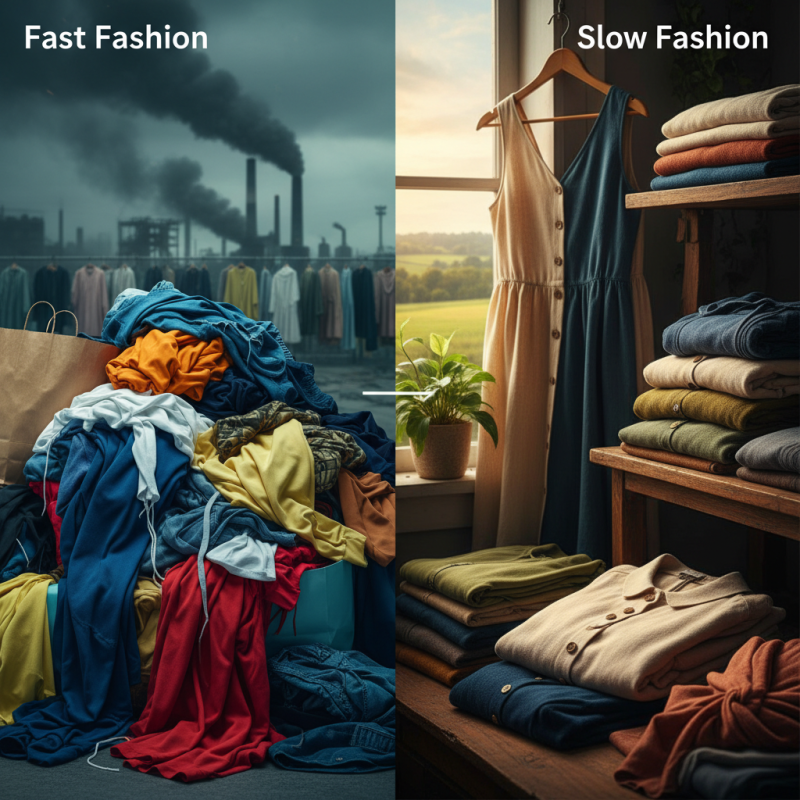
Fast fashion brands produce high volumes of trendy items at rapid speeds. They often rely on cheap materials and labor, enticing consumers with low prices. However, this leads to significant environmental impacts and ethical concerns. Many shoppers may overlook how these choices affect the planet and the people behind the garments.
In contrast, slow fashion promotes longevity and sustainability. It focuses on high-quality materials and fair labor practices. Consumers are encouraged to reflect on their purchasing habits and the lifecycle of their clothing. While slow fashion often comes with a higher price tag, it fosters a deeper connection to each piece. Balancing style with responsibility is challenging, but essential in our evolving fashion landscape.
China's Fast Fashion Industry: An Overview
China's fast fashion industry has undergone rapid growth in recent years, driven by changing consumer preferences and digital retail advancements. According to a 2023 report by Bain & Company, the market value of China's fast fashion sector reached approximately $32 billion. This explosive growth highlights a shift towards quick consumption, where clothing is produced at a low cost and made available to consumers almost immediately.
However, this speed comes with drawbacks. Environmental sustainability remains a pressing issue. The fast fashion industry is known for its high levels of waste and pollution. The World Wildlife Fund estimates that textile production contributes to 20% of global water pollution. Many companies face scrutiny for their environmental impact, raising questions about long-term viability.
On the other hand, slow fashion promotes mindful consumption. It focuses on quality over quantity and sustainable practices. While the slow fashion movement is gaining traction, it only constitutes a small segment of the market. A survey conducted by McKinsey & Company indicated that only about 30% of consumers in China are aware of slow fashion principles. This gap presents an opportunity to raise awareness and shift consumer behavior towards more sustainable choices.
Comparison of Fast Fashion and Slow Fashion in China
Characteristics of Slow Fashion: Principles and Practices
Slow fashion represents a movement that emphasizes quality over quantity. Unlike fast fashion, which thrives on rapid production and low costs, slow fashion advocates for sustainable practices. This involves a commitment to ethical sourcing, ensuring that materials are eco-friendly. According to a 2022 McKinsey report, 60% of consumers are increasingly considering sustainability in their fashion choices. This shift is significant as it reflects a growing awareness of environmental impacts.
A key characteristic of slow fashion is timeless design. This means creating garments that endure beyond seasonal trends, reducing waste. Additionally, the slow fashion model often relies on small-scale production, which enables greater quality control. A 2021 survey revealed that 45% of consumers would pay more for clothing made under sustainable conditions. This indicates a shifting mindset towards valuing ethical craftsmanship.
However, the slow fashion movement is not without its challenges. Accessibility and affordability remain barriers for many consumers. Furthermore, the supply chain complexities can complicate transparency. The transition to slow fashion requires collective effort from brands and consumers alike. Reflecting on these issues can guide the industry towards a more sustainable future.
Key Differences in Production Processes: Fast Fashion vs Slow Fashion
In the fast fashion industry, speed is the name of the game. Production processes are designed for quick turnaround. Brands often rely on low-cost labor in developing countries. This allows them to produce large quantities of trendy clothing at an astonishing pace. Factories operate at maximum capacity to meet consumer demands. Trends can go from runway to retail shelves in just weeks, making the entire process highly reactive.
On the other hand, slow fashion takes a more deliberate approach. It emphasizes quality over quantity. Brands often use sustainable materials and invest in fair labor practices. This results in fewer pieces produced with greater attention to detail. The production timelines are significantly longer. This approach encourages consumers to purchase fewer, but better-made items. However, slow fashion can sometimes be more expensive, which can deter some buyers.
Both production processes reveal important truths about consumerism today. Fast fashion feeds the need for newness but often at a high environmental cost. Slow fashion promotes sustainability and ethics, though it may not always meet fast-paced consumer habits. Reflecting on these processes can lead to better choices for both the individual and the planet.
Key Differences in Production Processes: Fast Fashion vs Slow Fashion
| Dimension |
Fast Fashion |
Slow Fashion |
| Production Speed |
Rapid, often within weeks |
Slow, typically several months |
| Material Quality |
Generally lower quality |
Higher quality, sustainable materials |
| Environmental Impact |
Higher, contributes to waste |
Lower, focuses on sustainability |
| Fashion Cycle |
Frequent, seasonal changes |
Timeless designs, less frequent changes |
| Labor Practices |
Often criticized, low wages |
Focus on fair labor practices |
| Price Point |
Generally lower |
Generally higher |
| Target Audience |
Trendy, budget-conscious consumers |
Eco-conscious, quality-seeking consumers |
Sustainability Impacts: Environmental Effects of Both Fashion Types
Fast fashion is notorious for its rapid production cycles and trendy designs. These brands often prioritize speed over sustainability. The environmental impact is stark. Waste generated from discarded clothing contributes significantly to landfills. Water pollution from dyeing processes harms local ecosystems. The race to furnish closets with the latest styles is often at the expense of our planet.
On the other hand, slow fashion emphasizes quality over quantity. It advocates for mindful consumption and sustainable practices. However, not all slow fashion brands are transparent about their environmental footprint. Some claim sustainability without rigorous proof. The challenge lies in measuring their true impact. This inconsistency leaves consumers uncertain about what is genuinely eco-friendly.
The fashion industry is at a crossroads. While fast fashion produces immediate gratification, its long-term sustainability issues are severe. Conversely, slow fashion promotes thoughtful choices but faces credibility concerns. The need for balance is crucial. Consumers must demand transparency, weighing convenience against environmental responsibility. The path forward requires reflection and intentionality from both brands and buyers.
Consumer Behavior: Trends in Fast Fashion vs Slow Fashion Choices
In recent years, consumer behavior has notably shifted between fast fashion and slow fashion. Fast fashion thrives on rapid production, low costs, and immediate gratification. Consumers often gravitate towards trendy items at affordable prices. This model promotes impulsive shopping habits, which can lead to overconsumption. Many shoppers may find themselves with full closets yet feel they have nothing to wear.
Conversely, slow fashion emphasizes quality and sustainability. It encourages thoughtful purchasing decisions. Buyers invest in timeless pieces that may cost more upfront but offer longevity. This approach fosters a deeper connection to clothing, making consumers more mindful of their choices. However, slow fashion may not appeal to everyone, as not all consumers prioritize these values.
Tips:
1. Before purchasing, consider whether the item aligns with your wardrobe needs.
2. Reflect on the production ethics of your clothing choices.
Investing in quality often leads to a more curated wardrobe. Over time, this can reduce overall spending.
FAQS
: Changing consumer preferences and digital retail advancements have fueled China's fast fashion growth.
The market value reached approximately $32 billion, showcasing rapid expansion.
Fast fashion contributes significantly to waste and pollution, affecting ecosystems globally.
Slow fashion focuses on quality, ethical sourcing, and sustainability, promoting mindful consumption.
About 30% of consumers are aware of slow fashion principles, indicating a familiarity gap.
Key traits include timeless design, small-scale production, and a commitment to sustainability.
Accessibility and affordability hinder many consumers from embracing slow fashion choices.
It generates significant waste and water pollution, harming local ecosystems and contributing to landfills.
Not all slow fashion brands provide rigorous proof of their environmental impact, causing consumer uncertainty.
Balancing convenience and environmental responsibility helps guide consumers towards better fashion choices.
Conclusion
The article titled "China Best Fast Fashion vs Slow Fashion What Are the Key Differences" provides a comprehensive exploration of the contrasting approaches within the fashion industry. It begins with an overview of China's fast fashion sector, highlighting its rapid production cycles and trend-focused designs. In contrast, the characteristics of slow fashion emphasize sustainability, ethical practices, and quality, addressing the principles that guide its production and consumption.
Key differences in production processes reveal that fast fashion prioritizes speed and cost-effectiveness, while slow fashion values craftsmanship and longevity. Additionally, the environmental impacts of both styles are examined, with fast fashion often leading to significant waste and resource depletion, whereas slow fashion aims to minimize ecological footprints. Finally, consumer behavior trends are analyzed, showcasing a shift towards mindful purchasing as individuals increasingly consider the implications of their fashion choices. This thorough examination underscores the question, "What Are The Differences Between Fast And Slow Fashion?" and the implications each approach has for the future of the industry.

 SLO Fashion