China Top Activewear For Active Lifestyles?

Time:2026-09-09 Author:Sophia
0%

China Top Activewear For Active Lifestyles? The answer depends on movement, climate, fabric performance, and personal comfort. Strong activewear should support real routines, from early morning runs to crowded gym sessions and weekend hikes.

What Are The Best Clothing Options For Active Lifestyles is not answered by one fashionable product. Moisture-wicking shirts can help manage sweat, while four-way stretch leggings or shorts support deep squats and long strides. Lightweight layers matter in changing weather. Breathable mesh panels can reduce heat around the back and underarms. Flat seams may also limit irritation during repeated movement.

Comfort comes first.

Exercise physiologist Dr. John Porcari has said, “If you like the way they feel, wear them, but don’t expect them to improve your performance.” His point encourages practical buying. Compression may feel supportive, but it cannot replace training, recovery, or proper fit. Some claims sound impressive. Evidence may be thinner.

Chinese activewear manufacturers increasingly offer recycled polyester, nylon blends, UPF-rated fabrics, and tested colorfastness. However, buyers should check laboratory reports, fiber details, factory transparency, and care instructions. A low price is not proof of value. A premium label is not proof of quality.

The best choice remains personal. A runner may prefer light shorts, while a yoga practitioner may need soft, opaque fabric. People sweat differently. Bodies move differently. Our assumptions can be wrong.

Reliable activewear should feel secure without feeling restrictive. It should survive washing, drying, stretching, and ordinary mistakes. That is where thoughtful design becomes more useful than marketing language.
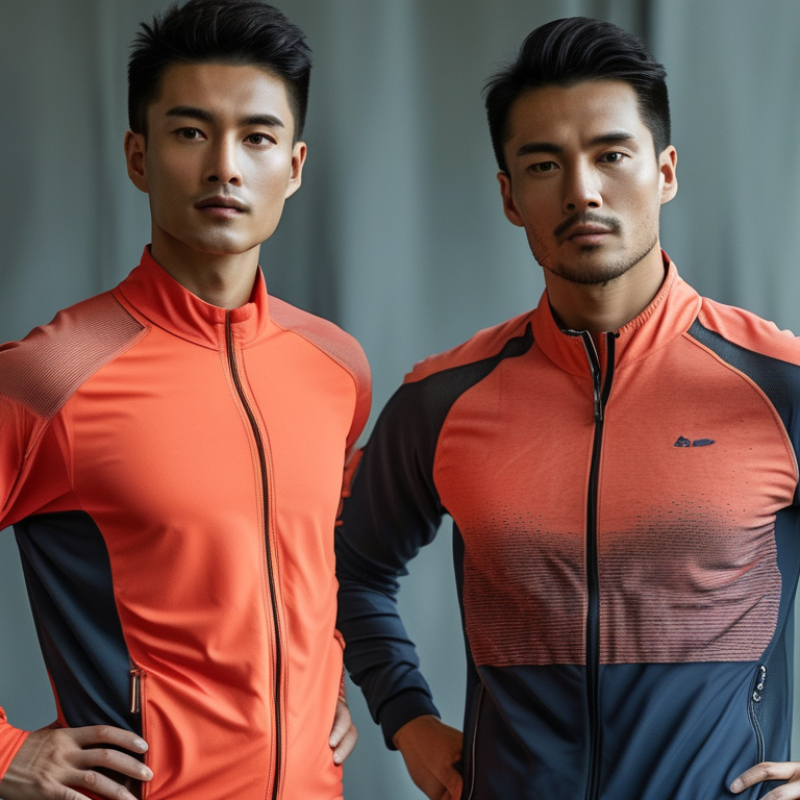
China Top Activewear For Active Lifestyles?

What Defines China’s Activewear Market for Active Lifestyles?

China’s activewear market is shaped by ordinary routines, not only professional sport. In major cities, commuters cycle, walk, exercise indoors, and travel within the same week. This mixed use demands clothing that dries quickly, stretches well, and remains presentable after repeated washing. Climate also matters. Humid southern cities require ventilation, while colder northern areas reward layering and insulation. These differences prevent one national definition of activewear. Fit is local, but lifestyles are increasingly diverse.

Reliable product evaluation starts with measurable details. Fabric composition, colorfastness, seam strength, and moisture management should be checked through documented testing. Production records and material traceability add confidence when buyers compare suppliers. Experienced shoppers often inspect waist recovery, pocket security, and zipper performance before judging appearance. Small failures matter. A waistband that rolls during a long walk can erase a garment’s technical advantages. Responsible manufacturers should explain care instructions clearly and avoid exaggerated performance claims.

The market is also shaped by value, aesthetics, and digital shopping habits. Consumers may want one outfit for a morning workout and an evening meal. Neutral colors, modest shaping, and adaptable layers can support that demand. Still, online reviews are not always consistent, and sizing remains a weak point across many product categories. My assessment would stay cautious without independent samples and repeated wear tests. Activewear is developing quickly, yet durability and repair options deserve more attention. Better design should serve real movement, not only polished images.

Key Features of High-Performance Activewear from China

China Top Activewear For Active Lifestyles?

Key Features of High-Performance Activewear from China

High-performance activewear from China combines technical fabrics with practical manufacturing experience. Polyester remains central to this market. Textile Exchange reported that polyester represented about 59% of global fiber production in 2023. For training clothes, this fiber supports quick drying, color retention, and abrasion resistance. However, polyester alone does not guarantee comfort. Fabric weight, yarn structure, and finishing quality matter more than simple material labels.

Good activewear should move with the body. Four-way stretch helps during squats, cycling, and fast walking. Flat seams reduce rubbing around the shoulders and waist. Mesh panels can improve airflow near the back and underarms. Some Chinese manufacturers also offer UPF-tested fabrics and moisture-management testing. These details become visible during use. A shirt that dries slowly can feel heavy after a short run. No fabric is perfect.

Tips: Ask for test reports covering pilling, colorfastness, stretch recovery, and moisture wicking. Check whether recycled content is verified, not merely printed on a label. Textile Exchange’s Materials Market Report 2024 noted that recycled polyester made up only a limited share of total polyester production. That statistic deserves attention. Lower-impact materials still require transparent sourcing and reliable testing. McKinsey’s State of Fashion research also projected stronger growth for sportswear than general fashion through 2025, increasing pressure on manufacturers to improve performance without hiding weaknesses.

China Top Activewear For Active Lifestyles? - Key Features of High-Performance Activewear from China

Performance Dimension Typical High-Performance Feature Relevant Technical Data or Standard Active-Lifestyle Benefit Quality-Check Focus
Moisture Management Engineered polyester or polyamide fabrics with hydrophilic finishes, moisture-wicking yarns, or channelled knit structures. Moisture-wicking performance should be tested using recognized textile methods such as AATCC 195 or equivalent laboratory procedures. Helps spread perspiration across the fabric surface so it can evaporate more efficiently during training. Check absorption rate, spreading speed, drying time, and performance after repeated washing.
Breathability Lightweight knitted constructions, mesh zones, perforated panels, and breathable membrane laminations. Air permeability can be evaluated under ASTM D737 or ISO 9237; results depend on fabric weight and construction. Supports heat release and airflow for running, cycling, gym training, and outdoor activities. Compare air-permeability results for the main body fabric and ventilation panels separately.
Stretch and Recovery Elastane-blended fabric or mechanically stretchable knit with four-way stretch for multi-directional movement. Stretch and recovery should be measured in both lengthwise and crosswise directions after controlled extension and relaxation. Improves mobility for squats, yoga, training, court sports, and other dynamic activities. Assess permanent growth, seam stress, waistband recovery, and opacity at maximum stretch.
Abrasion Resistance Dense interlock, tricot, or reinforced woven fabric in areas exposed to friction, such as seat panels and inner thighs. Common test methods include ISO 12947 and ASTM D4966; results should be reported with the applied load and endpoint. Helps reduce visible wear, pilling, and fabric thinning during repeated use. Use the same test method, pressure, and fabric direction when comparing samples.
Pilling Resistance Filament yarns, compact yarn structures, controlled brushing, and anti-pilling finishing where appropriate. Pilling may be evaluated using ISO 12945-2 or equivalent methods, with ratings commonly reported on a five-point scale. Maintains a smoother appearance after friction from movement, bags, equipment, and laundering. Inspect both face and reverse sides after testing and laundering.
Colorfastness Reactive, disperse, or solution-dyed coloration selected according to fiber type and end use. Washing colorfastness can be assessed under ISO 105-C06; perspiration and rubbing are covered by additional ISO 105 methods. Reduces shade change, staining, and color transfer during workouts and regular washing. Test dark colors, fluorescent colors, printed panels, and contrasting trims separately.
UV Protection Tightly constructed fabric, darker or solution-dyed shades, and ultraviolet-absorbing finishes where required. Under AS/NZS 4399, UPF 15–24 is rated good, 25–39 very good, and 40–50+ excellent. Provides tested protection for outdoor running, hiking, training, and recreational sports. Test the finished garment or representative panels, especially when the fabric is stretched or wet.
Odor Management Quick-drying constructions, low-odor fiber choices, or antimicrobial treatments supported by a defined test method. Antimicrobial claims should be supported by a recognized test such as ISO 20743 or an equivalent method. Can help control odor-causing microorganisms, although it does not replace normal laundering. Verify durability after the specified number of wash cycles and review treatment-compliance documentation.
Seam and Construction Quality Flatlock seams, bonded seams, reinforced stress points, secure coverstitching, and smooth elastic application. Seam strength and slippage can be evaluated using methods such as ISO 13935 and ISO 13936. Improves comfort, reduces chafing, and helps garments withstand repetitive movement. Check skipped stitches, broken needles, seam puckering, exposed edges, and bartack security.
Fit and Pattern Engineering Sport-specific blocks, ergonomic panel placement, gussets, articulated knees, and graded size specifications. Fit should be evaluated against a measurement chart, approved sample, tolerance sheet, and wear-test protocol. Supports freedom of movement while reducing riding up, pressure points, and unwanted exposure. Conduct movement trials in multiple sizes and check fit before and after laundering.
Thermal Regulation Lightweight moisture-wicking layers for warm conditions and brushed or insulating structures for cooler conditions. Thermal resistance and water-vapor resistance may be evaluated using ISO 11092. Helps manage comfort across indoor training, seasonal outdoor activities, and layered systems. Match fabric weight, insulation, and ventilation to the intended climate and activity intensity.
Material Safety and Compliance Restricted-substance screening, controlled dyeing and finishing, and traceable material documentation. Applicable requirements may include the destination market's chemical restrictions, labeling rules, and product-safety legislation. Reduces regulatory, skin-contact, and shipment-compliance risks. Request current laboratory reports, fiber composition records, care labels, and production-lot traceability.
Sustainability Considerations Recycled synthetic fibers, dope-dyed yarns, recycled packaging, efficient cutting, and documented wastewater controls. Claims should be supported by recognized chain-of-custody or recycled-content documentation where applicable. Can reduce material waste and resource use when supported by measurable process data. Verify recycled content, certificates, mass-balance claims, wastewater records, and packaging specifications.

Leading Categories in China’s Activewear Industry

China Top Activewear For Active Lifestyles?
Leading Categories in China’s Activewear Industry

China’s activewear market is led by performance training apparel, yoga wear, running clothing, and outdoor layers. Each category serves a different movement pattern and climate need. Training shirts often use quick-drying fabrics, stretch panels, and reinforced seams. These details matter during repeated lifting, indoor cycling, or high-intensity sessions. Fit remains equally important. A loose shoulder can restrict movement, while tight waistbands may distract the wearer.

Yoga and studio clothing focuses on softness, flexibility, and modest coverage. Consumers often inspect fabric recovery after stretching and washing. Running apparel usually emphasizes lightweight construction, ventilation zones, reflective details, and secure pockets. In humid cities, mesh panels can improve comfort. In colder northern areas, layered systems become more practical. Small design choices often decide whether clothing feels useful or merely fashionable.

Outdoor activewear is another strong category, including wind-resistant jackets, thermal base layers, hiking trousers, and weather-ready accessories. Athleisure connects these products with commuting and casual use. This overlap expands demand, but it also creates confusion. A fashionable jacket may not protect against steady rain. A soft fabric may lose shape quickly. Product testing should examine stitching, color stability, breathability, and care labels before large-scale purchasing. I have found that consumers increasingly value versatile garments, yet durability claims still need clearer evidence. The industry is improving, but not every “technical” feature performs as promised.

How to Evaluate Quality, Fit, Function, and Sustainability

China Top Activewear for Active Lifestyles

How to Evaluate Quality, Fit, Function, and Sustainability

Activewear should survive repeated stretching, washing, commuting, and sudden weather changes. When evaluating Chinese suppliers, I check fabric recovery after ten stretches. A quality fabric returns smoothly without shiny, loose areas. Flat seams should feel soft against the skin, especially around the shoulders and inner thighs. Small details matter.

Fit needs testing beyond a size chart. I ask for samples in several sizes and move through squats, lunges, running, and overhead reaches. The waistband should stay secure without pressing the stomach. A useful test involves sitting for twenty minutes, then checking pressure marks and fabric distortion. Still, one sample cannot represent every body shape. That limitation deserves honest discussion.

Function depends on the activity. Lightweight fabric may suit indoor training, but it can feel inadequate during cold outdoor sessions. Moisture management should be supported by testing, not vague claims. I look for test reports covering colorfastness, pilling, stretch recovery, and harmful substances. Reliable factories can explain their inspection process and production tolerances.

Sustainability requires evidence. Ask about recycled content certificates, wastewater treatment, packaging reduction, and factory energy records. Durable clothing may create less waste, but recycled fibers are not automatically environmentally perfect. I once trusted a sustainability statement without checking its scope. That was a mistake. Traceability can be incomplete, and buyers should keep questioning attractive claims.

Sourcing and Choosing China’s Top Activewear Manufacturers

China Top Activewear For Active Lifestyles?

Sourcing and Choosing China’s Top Activewear Manufacturers

Choosing an activewear manufacturer in China requires more than comparing catalog prices. In supplier conversations, I look beyond polished product photos. A reliable factory should explain fabric composition, GSM, stretch recovery, colorfastness, and pilling performance. Ask for a recent sample, not only a digital mockup. The sample should survive repeated stretching and washing. That matters.

Request business registration details, production photos, sample records, and relevant independent test reports. Verify certificates with their issuing organizations when possible. A video factory tour can help, but it cannot replace documented quality controls. Ask who checks fabric rolls, stitching, measurements, and finished garments. Clear answers usually reveal stronger production discipline. Vague promises deserve caution.

Discuss minimum order quantities, sampling fees, production timelines, packaging, and payment terms before approval. Send a detailed tech pack with measurements, seam types, labels, and color references. For leggings or performance tops, test opacity, waistband recovery, and seam comfort during movement. I also recommend a small trial order before expanding volume.

My own mistake was trusting a perfect first sample too quickly; bulk production exposed uneven stitching. A second inspection process would have helped.

Manufacturers can make excellent activewear, but only when communication, testing, and follow-up remain practical and consistent.

FAQS

: What defines activewear for active lifestyles in China?

: It supports mixed routines, including commuting, walking, indoor exercise, and travel. Quick drying helps. Clothing must also look presentable after repeated washing.

How does climate affect activewear design?

Humid southern cities need ventilation and breathable mesh panels. Colder northern areas benefit from thermal layers and insulation. One national design cannot fit every climate.

Which activewear categories are most common?

Major categories include training apparel, yoga clothing, running wear, and outdoor layers. Athleisure connects these products with commuting and casual activities. The boundaries can become blurry.

What fabric details should buyers examine?

Check fabric composition, moisture management, colorfastness, pilling, and stretch recovery. Stretch the fabric ten times. It should recover without shiny or loose areas.

How can buyers test activewear fit?

Request several sample sizes and try squats, lunges, running, and overhead reaches. The waistband should stay secure without pressing the stomach. One sample can mislead.

What small construction details affect comfort?

Flat seams should feel smooth around the shoulders and inner thighs. Pockets need to hold items securely during movement. Check zippers and waistband recovery carefully.

How should performance claims be verified?

Ask for documented testing on moisture control, seam strength, and color stability. Reliable suppliers should explain inspection steps and production tolerances. Marketing language is not proof.

What should buyers know about sustainability claims?

Request evidence about recycled content, wastewater treatment, packaging, and factory energy use. Durable clothing may reduce waste, but recycled fibers are not automatically perfect. I once trusted an unclear claim. That was a mistake.

Why do online reviews and sizing need caution?

Reviews may conflict, and sizing can vary across product categories. Check measurements against physical samples whenever possible. Repeated wear tests reveal more than polished images.

Conclusion

China’s activewear market is evolving to meet the needs of consumers who expect comfort, performance, and versatile style in their daily routines. What Are The Best Clothing Options For Active Lifestyles depends on the activity, climate, and personal preferences, but effective choices often include breathable tops, stretchable leggings, supportive sportswear, lightweight outer layers, and durable accessories. High-performance activewear from China commonly focuses on moisture management, ventilation, flexibility, temperature control, and reliable construction for activities ranging from training and running to travel and casual wear.

When evaluating China’s activewear industry, buyers should consider key categories such as yoga clothing, fitness apparel, outdoor sportswear, cycling garments, and athleisure basics. Quality assessment should cover fabric recovery, stitching, comfort, sizing consistency, colorfastness, and functional details. Sustainability can also be reviewed through material selection, production efficiency, packaging, and supply-chain transparency. Choosing a suitable manufacturer requires comparing technical capabilities, customization options, quality-control systems, communication, production capacity, and compliance documentation to ensure the final products match both performance expectations and market requirements.

Sophia

Sophia

Sophia is a dedicated marketing professional with an exceptional depth of knowledge about her company's products and services. With a keen understanding of market trends and customer needs, she crafts insightful blog posts that not only inform but also engage readers, enriching the company’s online......