China Top Trends in Sustainable Fashion for Global Buyers?

Time:2026-05-07 Author:Isabella
0%

As global awareness around sustainability grows, the fashion industry undergoes significant transformations. Many buyers are keen to understand "What Are The Latest Trends In Sustainable Fashion." Expert Amanda Johnson, a leading figure in eco-fashion, emphasizes, "Sustainable fashion is not just a trend; it's a necessary evolution for our planet." This statement highlights the urgency and importance of adopting sustainable practices in the fashion sector.

Recent trends show an increasing demand for eco-friendly materials and ethical production processes. Brands are now looking beyond traditional practices to adopt innovative solutions. For instance, plant-based fabrics are gaining popularity. Recycled materials are also making waves. However, challenges remain. Some companies struggle to source sustainable materials while maintaining affordability.

Ultimately, the journey to a sustainable fashion future requires collective effort. Buyers must stay informed about emerging trends and practices. With experts guiding the conversation, the industry can work towards a more responsible and ethical approach. Embracing "What Are The Latest Trends In Sustainable Fashion" will lead to a brighter and more sustainable future for the global market.
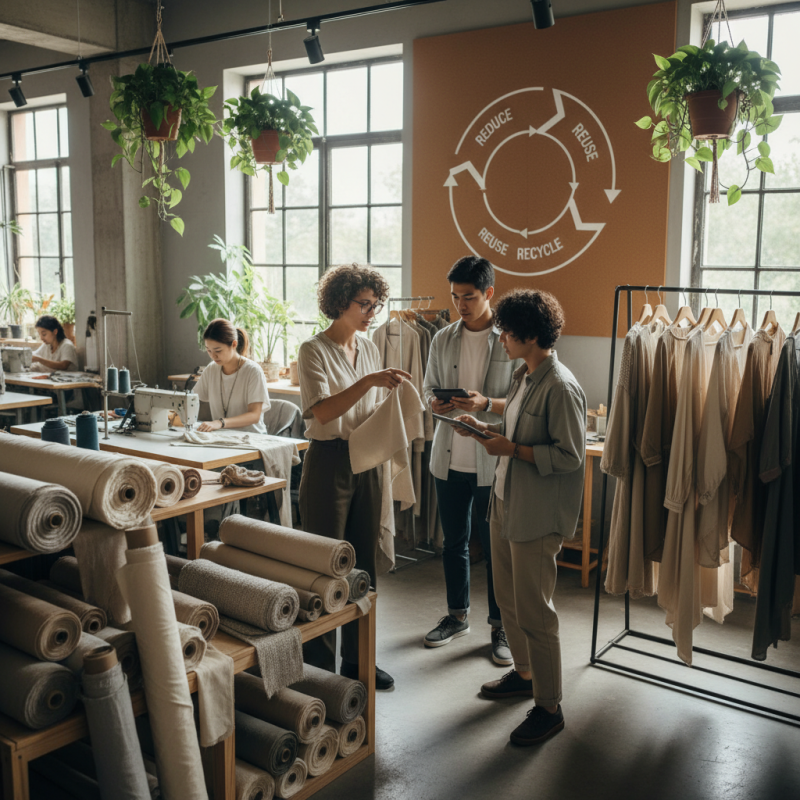
China Top Trends in Sustainable Fashion for Global Buyers?

China's Rise in Sustainable Fashion: An Overview for Global Buyers

China's sustainable fashion landscape is evolving rapidly. Recent reports indicate that the market for sustainable textiles is expected to reach $87 billion by 2025. This growth reflects a significant shift towards eco-friendly practices among manufacturers and consumers alike. Many Chinese brands are increasingly adopting sustainable materials, such as organic cotton and recycled polyester. The use of eco-friendly dyes is also gaining traction.

However, challenges remain. A 2023 survey revealed that over 40% of consumers in China still prioritize price over sustainability. This local mindset complicates the push for greener options in fashion retail. Additionally, not all sustainable initiatives are transparent. Brands often struggle to communicate their sustainability efforts effectively, leading to skepticism among environmentally conscious shoppers.

Global buyers should stay informed about these trends. The need for transparency and consumer education is vital. Companies that embrace sustainability must commit to genuine practices, not just superficial marketing. As interest in sustainable fashion grows in China, the responsibility to align actions with genuine impact rests with brands and buyers alike.

Key Materials in China's Sustainable Fashion Industry: Eco-Friendly Innovations

China is increasingly at the forefront of sustainable fashion, with innovative materials leading the way. A range of eco-friendly alternatives is emerging, from organic textiles to recycled fibers. These materials not only reduce waste but also minimize environmental impact. For instance, innovative dyes made from natural sources are gaining popularity. This shift reflects a growing demand for transparency and responsibility in the fashion industry.

Tips: Always look for certifications that guarantee sustainability in materials. This ensures that your choices make a positive impact.

Sustainable fashion isn't just about the materials. It involves a complete overhaul of traditional practices. Awareness of resource usage and minimal waste production is critical. However, many brands still struggle with full transparency. It’s essential for buyers to question and investigate sourcing practices. While progress is visible, the journey to true sustainability is ongoing and imperfect.

Tips: Engage with brands on their sustainability practices. Your inquiries can drive change and promote better habits within the industry.

Top Eco-Friendly Materials in China's Sustainable Fashion Industry

Top Sustainable Fashion Brands in China: Leading the Global Market

The sustainable fashion movement in China is rapidly gaining traction. According to a 2022 report by McKinsey & Company, over 50% of Chinese consumers are willing to pay more for sustainable products. This shift emphasizes their growing awareness of environmental issues.

Many local brands are leading the charge in this sector. They prioritize ethical practices and transparency in their production processes. Research indicates that 30% of Chinese fashion brands now utilize eco-friendly materials, such as organic cotton and recycled fabrics. However, challenges remain. Consumer skepticism about the authenticity of sustainability claims is prevalent.

The industry faces a dual challenge: balancing growth with genuine sustainability. A significant portion of brands still struggles with supply chain transparency. As the market matures, continuous improvement in sustainable practices will be crucial. This evolution not only aligns with consumer expectations but also sets a precedent on the global stage.

Consumer Trends Influencing Sustainable Fashion Purchases in China

China's consumers are increasingly drawn to sustainable fashion. Their choices are shaped by a range of factors that reflect a growing awareness of environmental issues. Many shoppers now prioritize brands that emphasize eco-friendly practices. The rise of social media has amplified these concerns, creating communities focused on sustainability. They share insights into responsible purchases and advocate for change within the fashion industry.

Young buyers seek transparency in production processes. They are curious about the origins of materials and the methods used. This desire for details often leads to questions about supply chains and labor practices. Additionally, consumers are motivated by ethical considerations. The appeal of second-hand clothing is on the rise as thrift shopping becomes trendy. Many find joy in sourcing unique pieces while minimizing waste. However, there's still a gap in understanding what truly constitutes "sustainable." Brands must navigate this complex landscape and strive for authenticity.

Shopping behaviors are also influenced by local culture. In urban areas, fashion remains a form of self-expression. Yet, the quest for sustainability sometimes clashes with fast fashion trends. Consumers struggle between the allure of affordable options and the appeal of eco-conscious selections. These dynamics highlight the need for ongoing dialogue and education. Sustainable fashion in China is a journey, not a destination, and each choice is a step toward greater responsibility.

China Top Trends in Sustainable Fashion for Global Buyers

Trend Description Influencing Factors Consumer Demographic
Eco-Friendly Materials Increasing use of recycled and organic materials in fashion products. Consumer demand for sustainability; Environmental awareness. Millennials and Gen Z.
Digital and Virtual Fashion Growth of digital clothing and virtual fashion shows. Technological advancements; Shift to online shopping. Tech-savvy consumers.
Circular Fashion Focus on recycling and upcycling clothing to reduce waste. Government regulations; Rise of thrift shopping. Environmentally conscious consumers.
Transparency and Ethical Practices Demand for transparency in supply chains and labor practices. Increasing awareness of global labor issues; Social media impact. Conscious consumers.
Personalization and Customization Rise in tailored clothing and personalized shopping experiences. Consumer preference for unique products; Advances in manufacturing technology. Fashion-forward consumers.

Challenges and Opportunities for Global Buyers in China's Eco-Fashion Sector

The eco-fashion sector in China presents unique challenges and opportunities for global buyers. While there is a growing demand for sustainable products, navigating this market requires careful consideration. Many local brands focus on eco-friendly materials and ethical production methods. However, buyers often face difficulties in sourcing these products consistently.

Quality control can be a concern. Some brands lack the certifications that assure buyers of sustainability claims. Language barriers may lead to miscommunication about sourcing practices. Buyers must also be wary of greenwashing, where brands exaggerate their environmental efforts. Authenticity and transparency are crucial in this landscape.

Despite these hurdles, there are significant opportunities. The Chinese market is innovative and rapidly evolving. Collaboration with local artisans can lead to unique, high-quality products. Building relationships with reliable suppliers can help mitigate risks. Buyers who invest time in understanding the local culture gain invaluable insights. Embracing these complexities can lead to successful partnerships in the eco-fashion sector.

FAQS

: What is the current status of sustainable fashion in China?

: China's sustainable fashion market is rapidly growing and may reach $87 billion by 2025.

What materials are commonly used in China's sustainable fashion?

Brands are using organic cotton, recycled polyester, and eco-friendly dyes to promote sustainability.

What challenges do consumers face regarding sustainability in fashion?

Over 40% of consumers prioritize price over sustainable options, complicating the market for greener choices.

Why is transparency important in sustainable fashion?

Lack of transparency leads to skepticism among shoppers about brands' sustainability claims and efforts.

What should global buyers do to ensure sustainable practices?

Buyers should seek certifications that verify material sustainability and question brands about their practices.

Are there risks involved in sourcing sustainable products in China?

Yes, quality control issues and language barriers can complicate sourcing, requiring careful navigation from buyers.

How can buyers identify genuine sustainability in brands?

Buyers should investigate sourcing practices and be wary of greenwashing, where claims are exaggerated.

What opportunities exist in China's eco-fashion market?

Collaborating with local artisans can yield unique, high-quality products and insights into cultural nuances.

How can consumers promote better habits in the fashion industry?

Engaging with brands and asking questions about their sustainability efforts can encourage positive changes.

Is the journey toward sustainability in fashion perfect?

No, many brands still struggle with transparency, indicating that the path to true sustainability is ongoing and imperfect.

Conclusion

China is rapidly emerging as a key player in the sustainable fashion industry, showcasing a variety of eco-friendly innovations that cater to the growing global demand for ethical apparel. What are the latest trends in sustainable fashion? This includes the adoption of sustainable materials, such as organic cotton and recycled fibers, which are becoming increasingly popular among Chinese brands. Moreover, the rise of consumer awareness around environmental issues is motivating buyers to seek products that align with their values, significantly influencing purchasing decisions.

However, global buyers face a mix of challenges and opportunities when navigating China's eco-fashion sector. The landscape is marked by varying standards of sustainability and the need for transparency in supply chains. As the market continues to evolve, it offers promising avenues for collaboration and investment in sustainable practices, encouraging responsible consumption worldwide. Overall, China's commitment to sustainable fashion is shaping the future of the global industry, making it essential for international buyers to stay informed about these dynamic changes.

Isabella

Isabella

Isabella is a dedicated marketing professional with a sharp focus on driving brand growth and engagement through strategic content creation. With an extensive background in digital marketing, she combines her passion for storytelling with her keen understanding of industry trends to deliver......