Selecting the right materials is crucial for comfort throughout the year. With growing awareness of fabric performance, many consumers now seek guidance on "How To Choose Breathable And Comfortable Fabrics." According to a report by the Textile Research Journal, breathable fabrics help regulate body temperature, enhancing overall comfort. Notably, Dr. Alice Chen, an expert in textile science, emphasizes, "Choosing the right fabric can make or break your comfort level in any climate."
Understanding fabric properties is essential. Natural fibers, like cotton and linen, are favorable in warmer months, while wool and synthetic blends can provide insulation in colder weather. However, not all breathable fabrics perform equally. Studies show that moisture-wicking technology can significantly improve comfort. Yet, many consumers remain unaware of such advancements.
Reflecting on your choices is vital. Many face challenges in identifying the best fabric for their needs. Relying solely on labels can lead to misconceptions. With expert insights and scientific data, you can navigate these complexities and confidently select breathable materials suitable for any season.
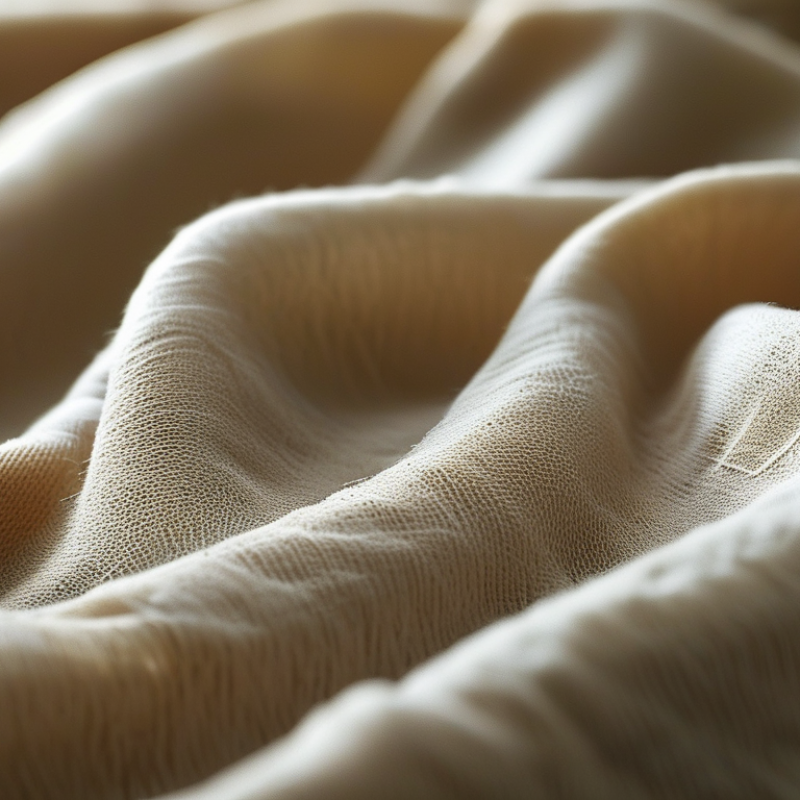
Choosing breathable fabrics involves understanding various fabric types. Natural fibers like cotton and linen are great for summer. They absorb moisture, allowing better airflow. Cotton is soft and comfortable, while linen is known for its lightweight feel.
Synthetic fabrics like polyester and nylon can be breathable too. They often wick away moisture, which can be helpful during physical activities. However, some may trap heat, making them less ideal for casual wear in hot weather. It’s a balance of comfort and functionality.
Consider the weight of the fabric as well. Lightweight options tend to be cooler, but heavier fabrics may provide warmth in colder months. Think about how these fabrics respond to washing and wear over time. Not every breathable fabric performs the same, and personal trials can lead to the best choice.
Keep an eye out for fabric blends too. Sometimes a mix can provide the best properties. Experiment with different combinations until you find what works for you. Being aware of how each fabric interacts with the climate is essential in making the right choice.
When selecting breathable fabrics for various seasons, focus on their key characteristics. In warmer months, look for materials like cotton and linen. These fabrics allow air circulation and wick moisture away from the skin. Cotton is soft and perfect for casual wear. Linen, while slightly stiffer, offers excellent breathability. Light colors can reflect sunlight, helping you stay cool.
As temperatures drop, opt for fabrics that provide warmth without compromising breathability. Wool is a great choice; it retains heat yet allows moisture to escape. Merino wool is especially lightweight and comfortable against the skin. Fleece can also be a good option but make sure it isn’t too thick. Quality matters; some fleece can trap moisture instead of allowing it to dissipate.
Consider the activities you'll be doing. If you're active, prioritize stretchable fabrics that move with you. This may be less common, but fabrics like bamboo offer breathability and comfort for all types of weather. Reflect on your own preferences. Comfort is subjective; what feels good for one person might not for another. Balancing personal style with functionality is key.
Choosing the right fabric for hot weather is essential for comfort. Breathable fabrics help in regulating body temperature. Look for materials like cotton, linen, and bamboo. These fabrics allow air circulation, which is crucial during warm months. Cotton, for example, is soft and absorbent, making it ideal for summertime wear. Linen, known for its natural fibers, offers a crisp feel while helping sweat evaporate.
When selecting fabrics, consider the weave and weight. Lightweight weaves enhance breathability, while heavier options may trap heat. It's important to test different fabrics. Not all breathable materials perform equally. Some might cling to your skin when sweaty, leading to discomfort. Additionally, avoid synthetic fabrics that tend to retain heat. Seek out blends that provide breathability without compromising style. Remember, the right choice can enhance your overall comfort and mood during hot weather.
| Fabric Type | Breathability Rating | Comfort Level | Ideal Use Cases |
|---|---|---|---|
| Cotton | High | Very Comfortable | Casual Wear, Summer Clothing |
| Linen | Very High | Highly Comfortable | Beachwear, Summer Dresses |
| Rayon | High | Comfortable | Blouses, Summer Skirts |
| Bamboo | High | Very Comfortable | Activewear, Loungewear |
| Modal | High | Comfortable | Sleepwear, Activewear |
Choosing the right fabrics for cold weather can significantly enhance your comfort. Look for materials that provide insulation while allowing breathability. Wool is a great natural option. It traps heat effectively without causing overheating. Layering techniques can also help. Combine a wool base layer with a breathable outer layer.
Fleece is another fabric to consider. It offers warmth without the weight. However, some synthetics can hold moisture. This might lead to discomfort if you sweat. Always check how the fabric behaves in different conditions. It's tempting to choose fabric solely based on thermal properties, but comfort matters too.
Pay attention to texture and fit. Fabrics should not irritate your skin. A cozy feel can make cold days feel more bearable. Sometimes, you might have to compromise on style for comfort. That’s worth contemplating. Ensuring that you feel good in your clothes can boost your confidence in chilly weather. Remember, investing in the right fabrics means prioritizing both functionality and comfort.
When it comes to layering fabrics for breathability, choosing the right materials is key. Lightweight and natural fibers like cotton and linen are fantastic options for summer days. They allow air to circulate, keeping you cool. Conversely, as temperatures drop, it's essential to select thicker layers without losing breathability. Merino wool is a great choice. It's warm yet breathable, helping to regulate your body temperature.
To enhance breathability year-round, you can mix fabrics thoughtfully. Try a moisture-wicking base layer made of synthetic fibers beneath a breathable cotton shirt. This combination can help keep sweat away while allowing airflow. For colder months, consider a breathable fleece jacket over a merino wool layer. Maintaining this balance can prevent overheating and allow for comfortable wear throughout the day.
Layering isn’t just about the thickness or warmth; it’s also about texture. Rough fabrics can irritate the skin and trap moisture. Always test combinations before committing to an outfit. This exploration helps identify what works best for you. Embracing this trial-and-error approach leads to improved comfort and style over time.
: Look for breathable materials like cotton and linen. They allow air circulation and wick moisture away.
Cotton is soft and ideal for casual wear. Linen is stiffer but offers excellent breathability, especially in heat.
Wool, especially Merino wool, is great for warmth and breathability. Fleece can work, but choose wisely to avoid moisture trapping.
Prioritize stretchable fabrics. Bamboo is breathable and comfortable for various weather conditions.
Use lightweight natural fibers like cotton and linen in summer. For colder months, opt for thicker, breathable fabrics like Merino wool.
Yes, mix fabrics thoughtfully. A moisture-wicking base layer under breathable cotton can enhance comfort and airflow.
Rough fabrics can irritate skin and trap moisture. Always test fabric combinations for comfort before wearing.
Comfort is subjective. What feels good for one person might not for another; balance style and functionality.
Experimenting with different fabrics and combinations helps you discover what works best, enhancing comfort and style over time.
Maintain a balance between warm and breathable layers to prevent overheating throughout the day.
When considering "How To Choose Breathable And Comfortable Fabrics," it’s essential to understand the different types of breathable fabrics available and their suitability for various seasons. Key characteristics such as moisture-wicking properties, softness, and thermal regulation should be prioritized based on the climate. For hot weather, fabrics like cotton and linen are ideal due to their excellent breathability, while during cold weather, materials that offer insulation—like wool and fleece—provide the necessary warmth without sacrificing comfort.
Additionally, layering is a crucial technique to maintain comfort throughout the year. By combining different fabrics, one can enhance breathability while adjusting to fluctuating temperatures. Ultimately, the right selection of breathable fabrics ensures comfort and functionality in any season, allowing for versatile and enjoyable wear.
