How to Dress for Seasonal Transitions in 2026?
Seasonal dressing rarely follows a clean calendar. A warm afternoon can turn into a cold, wet evening within minutes. That uncertainty makes transitional wardrobes practical, not merely fashionable. The central question, “What Are The Best Fashion Tips For Seasonal Transitions,” deserves a flexible answer. Build outfits that can change quickly, using breathable layers, adaptable shoes, and weather-ready fabrics.
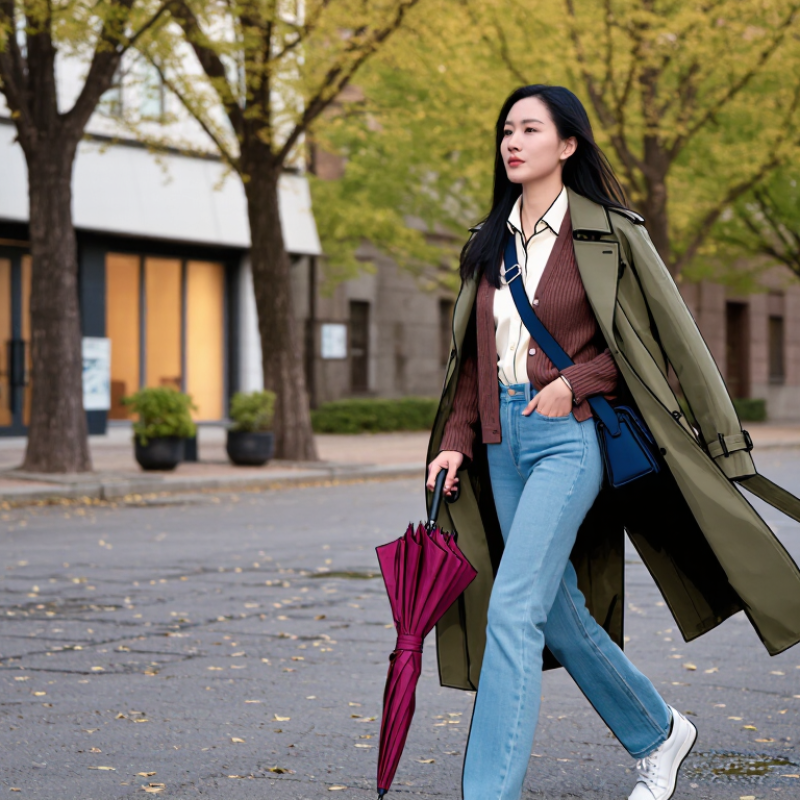
Fashion consultant and style icon Iris Apfel famously said, “More is more and less is a bore.” Her playful principle works well during uncertain weather. Start with a lightweight cotton shirt, then add a fine-knit cardigan or unstructured jacket. A trench coat can protect against spring rain without overwhelming a simple outfit. In early autumn, try a merino sweater over a silk camisole. Remove one layer when the temperature rises.
Texture matters.
Choose fabrics that manage comfort. Cotton, linen blends, merino wool, and lightweight denim offer useful flexibility. Avoid relying on heavy synthetics that trap heat during crowded commutes. Footwear needs equal attention. Loafers, ankle boots, and clean leather sneakers can handle changing conditions better than delicate flats. Keep a compact umbrella nearby.
Color can also bridge seasons. Olive, cream, chocolate brown, navy, and muted burgundy work across several months. However, not every classic tip fits every body, climate, or lifestyle. That is worth admitting. A polished outfit may still fail if it feels restrictive or ignores local weather. The best transitional style combines observation, comfort, and small experiments. Dress for the day you may actually experience, not the season described on the calendar.
How to Dress for Seasonal Transitions in 2026?
NOAA’s 1991–2020 Climate Normals offer a reliable baseline for planning 2026’s changing seasons. They describe typical temperature, precipitation, snowfall, and frost patterns across U.S. locations. They do not predict a specific day. That distinction matters when spring mornings feel wintry, while afternoons become unexpectedly warm.
For a practical wardrobe, begin with adjustable layers. Wear a breathable base layer, a light insulating layer, and a weather-resistant outer layer. In northern areas, late frosts may still affect early spring mornings. Keep warm socks and a compact hat nearby. In warmer regions, sudden heat can follow cool dawns, so choose lighter fabrics underneath. Fall transitions may bring rain, wind, or sharp evening temperature drops. Water-resistant shoes can protect against wet sidewalks and muddy paths.
Check local forecasts beside the climate normals. That habit is more dependable than relying on seasonal averages alone. NOAA data can reveal whether your area usually experiences frequent rain, dry air, or large daily temperature swings. I often overprepare for cold and forget afternoon heat. That mistake makes layered clothing uncomfortable.
Keep an umbrella nearby. Pack one extra layer. A small scarf can help during windy commutes. Climate normals are useful evidence, but they cannot capture every unusual weather event in 2026. Dress for the baseline, then adjust after reviewing the day’s forecast.
Seasonal weather can change within a single commute. A cool morning may become warm by noon, then turn windy after sunset. A three-layer outfit helps you adjust without carrying a heavy bag. The method is simple: base, insulation, and weather shell.
Start with a breathable base layer that moves moisture away from your skin. A fitted wool blend or lightweight synthetic shirt works well. Avoid thick cotton during damp days; it can stay wet and feel cold. Add an insulation layer, such as a thin fleece, wool sweater, or quilted vest. Choose moderate warmth rather than maximum thickness. You may regret overheating on a crowded train. The outer shell should block wind and light rain. Look for an adjustable hood, secure cuffs, and enough room for the middle layer. Test the full outfit before leaving home. Some shells restrict movement more than expected.
Tips: Keep the base layer close to your body, but not tight. Use one removable layer for temperature changes. Pack a compact scarf on windy days. Check the forecast twice, especially when rain is possible. I often carry gloves too early, then forget them when evening temperatures drop. That small mistake is useful feedback. Clothing should respond to your routine, not just the season. A short walk, a bicycle ride, and an indoor office each require different layering choices.
| Seasonal Transition | Typical Outdoor Conditions | Base Layer | Insulation Layer | Weather Shell | Recommended Layering Strategy |
|---|---|---|---|---|---|
| Late Winter → Early Spring | Approximately 0–12°C; cold mornings, mild afternoons, occasional rain or wet snow | Moisture-wicking long-sleeve top in merino wool or synthetic fabric | Light fleece, wool sweater, or compact insulated vest | Water-resistant or waterproof breathable jacket with an adjustable hood | Wear all three layers in the morning; remove the insulation layer as temperatures rise. |
| Spring → Early Summer | Approximately 10–22°C; increasing humidity, showers, and changing wind conditions | Lightweight moisture-wicking T-shirt or sleeveless base top | Thin cardigan, cotton-blend overshirt, or lightweight fleece | Packable windbreaker or lightweight rain shell with sealed or covered closures | Keep the shell accessible for rain and wind; choose breathable fabrics for warmer afternoons. |
| Summer → Early Autumn | Approximately 12–25°C; warm daylight, cooler evenings, variable rainfall | Breathable short-sleeve shirt made from cotton, linen, merino, or moisture-wicking fabric | Light knit, thin overshirt, or unlined shirt jacket | Ultralight rain shell or wind-resistant jacket | Use the base layer alone during warm periods and add insulation after sunset. |
| Early → Mid-Autumn | Approximately 5–18°C; cool mornings, wind, rain, and rapidly shortening daylight | Long-sleeve merino or synthetic top that manages perspiration | Medium-weight fleece, wool knit, or light quilted jacket | Windproof rain jacket with sufficient room for the insulation layer | Prioritize wind protection and packability; open the shell for ventilation during activity. |
| Autumn → Early Winter | Approximately −5–10°C; cold wind, rain, sleet, or light snow | Thermal long-sleeve base layer and thermal leggings when needed | Wool sweater, fleece, or moderate synthetic insulation | Insulated waterproof shell or a waterproof outer layer over a warm jacket | Leave enough space between layers for air circulation and unrestricted movement. |
| Cold Weather → Thaw or Early Spring | Approximately −10–8°C; freezing mornings, wet sidewalks, strong temperature swings | Long-sleeve thermal fabric that remains comfortable during indoor heating | Warm fleece, wool layer, or removable insulated jacket | Windproof, water-resistant outer shell with adjustable cuffs and hem | Choose removable insulation so the outfit can adapt between freezing outdoor air and heated interiors. |
How to Dress for Seasonal Transitions in 2026?
Moisture regain matters when mornings feel cool and afternoons turn damp. Wool can absorb more atmospheric moisture than cotton without feeling immediately wet. International Wool Textile Organisation technical data places wool’s moisture regain near 30% under highly humid conditions. Cotton is commonly rated at 8.5% under standard textile conditions, according to Cotton Incorporated’s fiber education data. These figures are not simple comfort scores. They describe how fibers interact with water vapor.
For early spring, try a lightweight wool overshirt over a breathable cotton base layer. Wool can help buffer changing humidity beside the skin. Cotton feels familiar and airy, but it may hold sweat close during a sudden warm spell. That difference becomes obvious on a crowded train. Use a looser cotton shirt when movement is limited. Choose a fine wool layer when temperatures may fall after sunset.
I still get this wrong.
Fiber performance changes with weave, weight, finishing, and personal sweat levels. ASTM moisture testing uses controlled conditions, unlike a windy street or a heated office. A 2024 European textile sustainability report also stresses that durability and care affect real garment performance. Check the fabric label, then test one outfit during a short walk. If the wool feels clammy, the layer may be too heavy. If cotton stays wet at the collar, add ventilation rather than another thick layer.
Seasonal dressing works better when insulation is treated as a measurable choice. ISO 9920 estimates clothing insulation, expressed in clo. One clo equals approximately 0.155 m²·K/W. A light shirt and trousers may provide about 0.5 clo, while adding a sweater can raise the total near 1.0 clo.
These values are estimates, not promises.
I check the forecast, then consider movement and exposure. A brisk walk produces body heat, so heavy insulation may feel uncomfortable. Waiting at a cold bus stop requires more protection. Start with a breathable base layer, add a removable middle layer, and carry a wind-resistant outer layer. Small changes matter. A scarf can protect the neck, while loose cuffs may allow unwanted heat loss.
ISO 9920 supports informed decisions, but real comfort varies. Air speed, humidity, posture, and fabric fit can change the experience. I sometimes choose a jacket by temperature alone and regret it after entering a heated train. That habit needs correction. Test clothing during ordinary routines, notice sweating or cold hands, and adjust the next day. A practical target is steady comfort, not a perfect clo number. Clothing insulation also decreases when garments become compressed or damp, so a packed layer may perform below its expected value.
How to Dress for Seasonal Transitions in 2026?
Spring and autumn can shift from cool mornings to intense midday sunlight. I choose lightweight layers with UPF 30 or higher, following Skin Cancer Foundation guidance. UPF measures how effectively fabric limits ultraviolet radiation. A long-sleeved, tightly woven shirt protects better than a loose, thin top. Darker fabrics often provide stronger coverage. Still, fabric protection is not perfect.
I usually start with breathable trousers, a collared shirt, and a packable outer layer. During a morning walk, I keep the sleeves down and use a wide-brimmed hat. Exposed skin still needs broad-spectrum sunscreen. Reapply it as directed, especially after sweating. Sunglasses with ultraviolet protection help shield the eyes. Seasonal comfort matters, but sun exposure can remain strong in cool weather.
Tips: Check the garment label for UPF 30+ or higher. Cover the shoulders, neck, chest, and legs when possible. Choose a close, comfortable fit without stretching the fabric. Bring an extra layer for changing temperatures. Seek shade around midday. I sometimes underestimate cloudy skies, and that mistake is worth correcting. Check your skin regularly, and ask a qualified healthcare professional about any changing or unusual spot.
Wear a breathable base layer, a removable insulation layer, and a weather-resistant outer shell. This setup adapts to changing temperatures. Small changes matter.
Choose a fitted wool blend or lightweight synthetic shirt. It should move moisture away from your skin. Avoid thick cotton during damp weather.
Choose moderate warmth, such as thin fleece, a wool sweater, or a quilted vest. Heavy insulation may feel uncomfortable on a crowded train. I sometimes overestimate the cold.
Look for wind resistance, light rain protection, an adjustable hood, and secure cuffs. Leave enough room for the middle layer. Test movement before leaving home.
Clothing insulation can be measured in clo. One clo equals approximately 0.155 square meters kelvin per watt. A shirt and trousers may provide about 0.5 clo.
No. A brisk walk creates body heat, while waiting at a bus stop requires more protection. Bicycling, commuting, and office work need different choices.
Select lightweight garments labeled UPF 30 or higher. Long sleeves and tightly woven fabric cover skin more effectively. Add sunscreen to exposed areas.
Do not judge clothing only by temperature. Wind, humidity, movement, and damp fabric change comfort. I sometimes carry gloves too early, then forget them later. That mistake needs correction.
Seasonal transitions in 2026 call for flexible clothing strategies that respond to changing temperatures, rain, wind, and sunlight. Start by reviewing NOAA’s 1991–2020 Climate Normals to anticipate typical risks in your area, then build outfits with three adaptable layers: a moisture-managing base, an insulating middle layer, and a weather-resistant outer shell. This system makes it easier to add or remove warmth throughout the day.
What Are The Best Fashion Tips For Seasonal Transitions? Choose fabrics according to how they handle moisture: wool can regain about 30% of its weight in moisture, while cotton averages around 8.5%, making fabric selection important for comfort. Match insulation to activity and conditions using ISO 9920 guidance, where 1 clo is approximately 0.155 m²·K/W. Finally, include UPF 30+ garments or accessories to help reduce sun exposure, especially during bright spring and autumn days.
