10 Essentials of Modern Fashion Style for Global Buyers?

Time:2026-05-03 Author:Henry
0%

In today's fast-paced world, understanding modern fashion is essential for global buyers. What are the essentials of modern fashion style? This question poses challenges, yet it invites exploration. Fashion is not just about trends; it reflects culture and identity. Each season brings fresh looks, but some elements remain timeless. Shoes, accessories, and fabrics often dictate style. Buyers must discern between timeless pieces and fleeting fads.

Fashion is subjective, influenced by geography and personal taste. Buyers may find what suits one region’s style may clash with another's traditions. This diversity is a reminder that modern fashion is not uniform. As trends evolve, some ideas need reflection. What works for one may not be appropriate for another. It raises questions about cultural appropriation and respect in design.

Engaging with fashion requires awareness. It involves understanding body types, color palettes, and seasonal trends. Buyers should embrace bold choices while remaining authentic. Each piece in a wardrobe should tell a story, connecting past and present. Ultimately, the essentials of modern fashion style blend personal expression with global influences. The journey to understanding this landscape can be imperfect, yet it's where true style thrives.
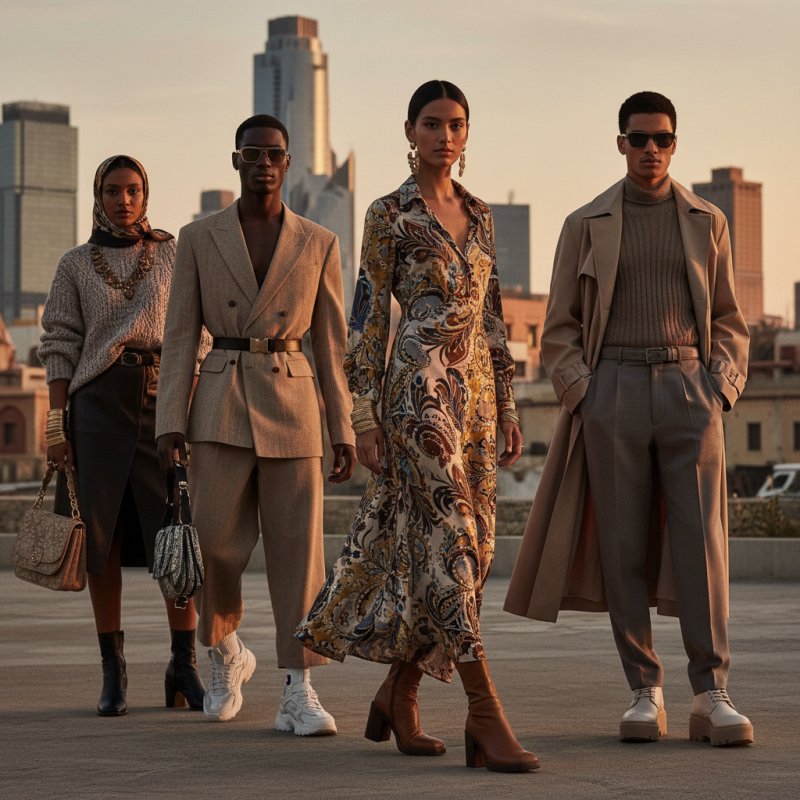
10 Essentials of Modern Fashion Style for Global Buyers?

Essential Fabrics and Materials for Contemporary Fashion Choices

The choice of fabrics and materials plays a crucial role in modern fashion. Global buyers increasingly favor sustainable and innovative textiles. A report by Statista indicates that the sustainable textile market is expected to reach $8.25 billion by 2027. This shift highlights the growing importance of eco-friendly fabrics in contemporary fashion.

Cotton remains a staple due to its versatility and comfort. However, its environmental impact raises questions. Alternatives like hemp and Tencel offer sustainable options. These materials require fewer resources for production, aligning with eco-conscious consumer demand. Additionally, the use of recycled fabrics is gaining traction, responding to the rising concerns of textile waste.

Synthetic fibers, such as polyester, dominate the market. They are durable and often cost-effective. Yet, the environmental ramifications cannot be ignored. Microplastic pollution from washing synthetic garments poses a significant challenge. In this complex landscape, balancing style, sustainability, and functionality remains an ongoing dialogue among fashion stakeholders. Innovation and transparency in material choices are essential for nurturing a responsible future in fashion.

The Impact of Cultural Diversity on Global Fashion Trends

Cultural diversity significantly shapes global fashion trends. As fashion evolves, it draws inspiration from various cultures, creating a rich tapestry of styles. According to a 2022 report by McKinsey, 61% of consumers value brands that promote inclusivity and diversity. This preference influences designers to incorporate various cultural elements into their collections.

Embracing cultural diversity fosters creativity and innovation in the fashion industry. A notable example is the increasing popularity of traditional textiles from different regions. These unique fabrics tell stories and connect consumers to global cultures. Additionally, street style from diverse communities often sets trends. The blending of traditional and modern elements often results in captivating creations.

Tips: When exploring fashion, consider how different cultures express individuality. Seek out pieces that celebrate heritage. This not only supports cultural exchange but also enriches your personal style. Remember, engaging with diverse fashion can sometimes lead to misunderstandings, so approach new styles with respect and curiosity.

Ultimately, cultural diversity in fashion promotes dialogue and understanding. This dialogue invites reflection on personal values and the stories behind the garments we choose. Keeping an open mind is essential as we navigate this dynamic landscape of modern fashion.

Sustainable Practices in Modern Fashion: A Global Perspective

Sustainability in fashion has become a pressing global concern. A report from McKinsey highlights that 60% of consumers prioritize sustainable practices in their buying decisions. The shift towards eco-friendly materials is increasingly visible. Brands are adopting organic cotton, recycled polyester, and plant-based leathers. These choices reduce environmental impact and appeal to conscious consumers. However, challenges lie ahead.

The Ellen MacArthur Foundation notes that the fashion industry is responsible for 10% of global carbon emissions. This statistic prompts a necessity for systemic change. Brands must rethink their production processes. Overproduction and fast fashion contribute significantly to waste. Many companies are exploring circular fashion models. This approach focuses on reusing and recycling materials. Yet, true commitment requires transparency. Customers deserve to know the origins of their garments.

Despite progress, the industry must acknowledge its imperfections. Some brands greenwash their practices. They make false claims to appear sustainable while lacking substantial action. Consumers should scrutinize these claims. Genuine commitment goes beyond marketing. It involves a dedication to reducing one’s carbon footprint and enhancing ethical practices. The journey towards a sustainable fashion industry is ongoing and requires collaboration among all stakeholders.

10 Essentials of Modern Fashion Style for Global Buyers - Sustainable Practices in Modern Fashion: A Global Perspective

Essentials Description Sustainable Practice Global Trend
Organic Textiles Fabrics made from organically grown materials. Reduced chemical usage. Increasing demand for eco-friendly products.
Recycled Materials Using post-consumer waste in clothing production. Circular fashion initiatives. Global brands adopting recycled goods.
Ethical Manufacturing Transparent and fair labor practices. Improved worker conditions. Growing consumer preference for ethical brands.
Minimalist Designs Simplicity in patterns and colors. Less waste through streamlined production. Trend towards timeless fashion pieces.
Local Sourcing Using materials sourced from local suppliers. Support for local economies. Increase in localized production.
Digital Fashion Virtual clothing for online use. Reduced physical production impact. Rise of virtual fashion shows.
Upcycled Fashion Repurposing used items into new clothing. Reducing landfill waste. Popular among creative designers.
Tech Integration Smart textiles and wearable technology. Innovative sustainable materials. Merging fashion with technology trends.
Inclusivity Fashion for diverse body types and sizes. Promoting body positivity. Shifts in consumer demands for diversity.
Smart Distribution Utilizing AI for inventory management. Minimizing overproduction. Trends towards efficiency in supply chains.

Key Accessories That Define a Fashion-Forward Wardrobe

In modern fashion, accessories play a pivotal role in defining a stylish wardrobe. A statement belt can elevate a simple dress, adding shape and interest. Choose materials that contrast with your clothing, like leather with flowy fabrics. A unique belt not only cinches the waist but also showcases personal flair.

Footwear is another key accessory. Sleek ankle boots or bold sneakers can completely transform an outfit. Experiment with colors and textures. Remember, comfort is just as essential as style. Your shoes should reflect your personality yet provide ease of movement.

Jewelry is where you can shine. Layered necklaces and stackable rings draw attention without overwhelming your look. Mixing metals adds a contemporary touch, while vintage pieces can tell a story. Even minimalist designs can make a powerful statement. Embrace imperfection; sometimes the best ensembles include mismatched elements. These choices reflect your individuality and create an authentic, fashion-forward vibe.

The Role of Technology in Shaping Contemporary Fashion Styles

Technology plays a crucial role in shaping contemporary fashion styles. From virtual fitting rooms to AI-driven design tools, innovation is transforming the way we shop and dress. Today, shoppers can try on clothes digitally, saving time and reducing the need for physical trials. This shift is not only convenient, but it also promotes sustainable practices by minimizing returns and wastage.

Tip: Explore apps that offer virtual try-ons. These tools can help you visualize how an outfit looks on your body type without stepping into a store.

Moreover, social media platforms influence trends rapidly. Influencers and fashion icons showcase styles directly to their followers. This has made fashion more accessible but can also lead to information overload. Buyers might struggle to differentiate between genuine trends and fleeting fads.

Tip: Curate your social media feeds. Follow those whose styles resonate with your essence, rather than chasing every trending concept.

On the technology front, data analytics helps brands understand consumer preferences. Insights gleaned from shopping patterns drive design and production. However, the rapid pace can sometimes compromise quality for quantity. Reflecting on your choices could lead to a more meaningful wardrobe.

Tip: Consider your purchases carefully. Ask yourself if an item reflects your personal style or merely follows a trend.

FAQS

: How does cultural diversity influence fashion trends?

: Cultural diversity shapes trends by introducing various styles and inspiring designers to create unique collections.

Why do consumers value brands that promote inclusivity?

A 2022 report showed 61% of consumers appreciate brands that celebrate diversity, fostering a connection with global cultures.

What is one way to engage with different cultures in fashion?

Seek out pieces that highlight heritage, supporting cultural exchange while enriching personal style.

How does technology assist modern shopping experiences?

Technology enables virtual fitting rooms, allowing shoppers to try clothes digitally, saving time and reducing returns.

What impact do influencers have on fashion trends?

Influencers quickly promote styles, making fashion more accessible but also overwhelming buyers with choices and trends.

How can buyers manage social media fashion influences?

Curate feeds to follow accounts that resonate with personal style instead of chasing every fleeting trend.

What role does data analytics play in fashion?

Brands use data analytics to understand consumer preferences, driving design and production based on shopping patterns.

Might technology reduce the quality of fashion items?

The rapid pace of production may prioritize quantity over quality, making it important to reflect on choices.

How can consumers approach new fashion styles from different cultures?

Approach new styles with respect and curiosity, as misunderstandings can arise when engaging with diverse fashion.

Why is keeping an open mind essential in fashion?

An open mind fosters dialogue and reflection on personal values, enriching our understanding of modern fashion.

Conclusion

In exploring "What Are The Essentials Of Modern Fashion Style," several key elements emerge that cater to the diverse preferences of global buyers. Essential fabrics and materials play a crucial role, as contemporary fashion leans towards textiles that offer comfort, versatility, and sustainability. Furthermore, the impact of cultural diversity is evident in the influence of various global trends, showcasing how traditional designs can inspire modern aesthetics.

Sustainable practices also take center stage, highlighting the increasing demand for eco-friendly options in the industry. Additionally, key accessories such as statement jewelry and innovative bags are vital in defining a fashion-forward wardrobe. Lastly, the role of technology, from digital design tools to e-commerce platforms, significantly shapes contemporary fashion styles, making them more accessible and dynamic than ever. Collectively, these aspects create a comprehensive understanding of what constitutes modern fashion style in today’s global market.

Henry

Henry

Henry is a dedicated marketing professional with a profound expertise in the company's offerings. With years of experience in the industry, he possesses an impressive understanding of the market dynamics and consumer behaviors that drive success. Henry is committed to sharing his insights through......