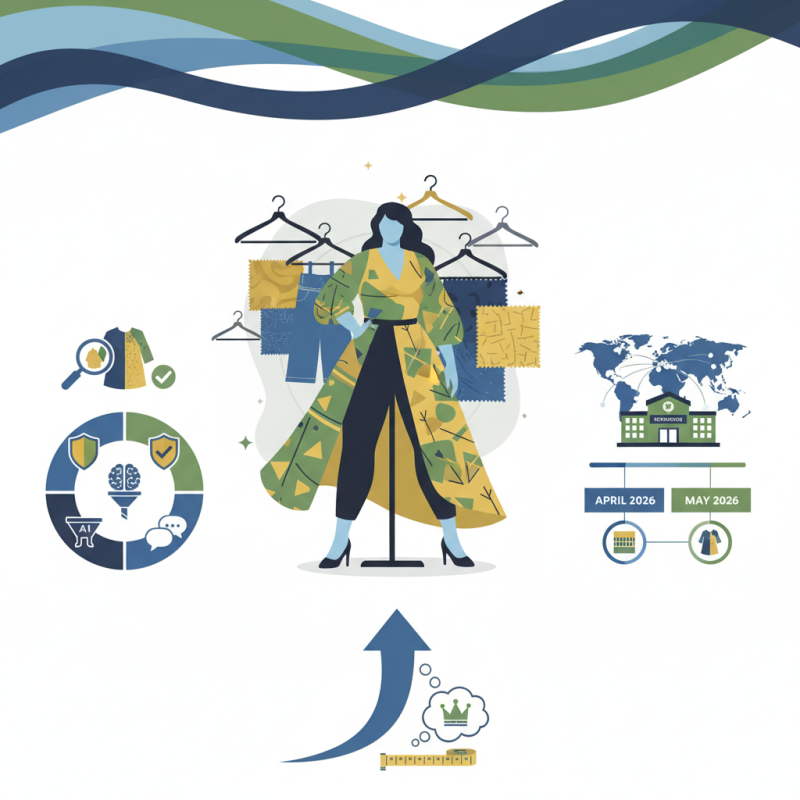
When navigating the bustling halls of the Canton Fair, buyers seeking Extended Size Clothing will find unique opportunities and challenges. The event, set for April and May 2026, will showcase various products across three phases. This includes textiles and apparel, which are crucial for those focused on inclusive fashion solutions.
With a staggering 155,000 square meters to explore, the Canton Fair offers a wealth of options for those interested in Extended Size Clothing. However, buyers must remain vigilant. They should prioritize quality and supplier certifications, like ISO or CE. The event's AI features will aid in filtering through numerous exhibitors who meet these standards.
Yet, frustration can arise. Some suppliers might not fully understand the demands of the Extended Size market. It's essential to communicate clearly and assess the fitting options or fabric choices. The quest for stylish and comfortable Extended Size Clothing should be both rewarding and insightful, pushing the boundaries of what is available in the current market.
The extended size clothing market is evolving rapidly. According to recent industry reports, this segment has seen a growth of approximately 8% annually. This trend is especially notable at events like the Canton Fair, attracting global buyers seeking inclusive fashion. The demand for extended sizes is driven by increased awareness of body diversity and consumer desire for fit and comfort.
Canton Fair showcases a variety of extended size clothing options. Buyers should pay attention to fabric quality and design. More brands are now producing versatile pieces that cater to different body types. However, there are challenges. Some suppliers may still lag behind in offering sizes that truly fit and flatter. This inconsistency can lead to missed opportunities in an expanding market.
Global buyers should be mindful of consumer preferences. The demand for sustainable materials is on the rise. Data shows that 70% of shoppers prefer eco-friendly options in extended sizes. Understanding these trends will help buyers make informed decisions. Engaging with suppliers who prioritize inclusivity and sustainability can enhance their product offerings significantly.
Understanding sizing standards is crucial for global buyers at the Canton Fair. Different countries have varying sizing charts, causing confusion. For instance, a size medium in the US may differ from a medium in Europe or Asia. According to a 2021 report from the International Fashion Association, over 50% of consumers report difficulties in finding the right size when shopping internationally.
Consumer needs become apparent when considering body diversity. Around 67% of shoppers express frustration with limited options in extended sizes. This gap indicates a market opportunity. Extended size clothing should accommodate various body shapes and measurements. Yet, many brands often overlook these consumers. In fact, 8 out of 10 plus-size shoppers have faced inadequate fit, highlighting a significant issue in the industry.
Global buyers must navigate these challenges wisely. It’s essential to educate themselves on regional sizing variations. Some markets may prioritize different fit models. Research from the Apparel Innovation Institute reveals that standardizing sizing could increase sales by 30%. A focus on inclusivity in clothing design can lead to better customer satisfaction and loyalty, yet many brands lag behind in addressing these vital consumer needs.
This chart represents the percentage of consumers interested in extended size clothing across different regions, highlighting the varied demand driven by cultural and market differences.
When it comes to extended size clothing, functionality and fashion must coexist. Research indicates that over 67% of consumers in this segment prioritize fit and comfort. They seek styles that accommodate diverse body shapes. An ideal collection combines tailored designs with trendy aesthetics.
Durable materials are vital. Fabrics should offer stretch while maintaining shape. Popular options include spandex blends that resist wear. Many buyers overlook this aspect, but it influences long-term customer satisfaction. The right fabric can enhance mobility and boost confidence.
Fashion trends play a significant role, too. Buyers want pieces that reflect current styles. Extended sizing often gets sidelined in mainstream fashion. It leads to an increased demand for vibrant colors and unique prints. However, some designs fail to cater to this need, leading to dissatisfaction. Ensuring that extended sizes mirror popular styles is crucial. Without this, the market risks alienating potential customers.
Sourcing extended size clothing in China, especially at events like the Canton Fair, presents unique challenges. Buyers must be prepared to navigate a wide range of choices while ensuring quality and fit. The demand for extended sizes continues to grow, but finding the right supplier can be complicated.
When looking for extended size clothing, focus on the fit and fabric. Make sure to ask vendors for samples. This ensures you know how the items fit and feel. Not all sizes are standardized. A 2XL in one factory might be different in another. Always compare measurements and fit.
Consider attending workshops or seminars at the Fair. These provide insights into trends and sourcing strategies. Networking is vital. Connect with other buyers who have experience in sourcing extended sizes. Their insights can guide your decisions. Remember, it’s okay to face challenges. Reflect on what works and what doesn’t. Adjust your strategy as needed.
Building relationships with suppliers is crucial for creating sustainable extended size clothing lines. At the Canton Fair, it’s essential to approach potential partners with clear communication. Show genuine interest in their products, but also express your vision. Many suppliers appreciate enthusiasm and creativity. This can lead to fruitful negotiations.
When discussing extended sizes, be ready to address challenges. Not all suppliers may understand the importance of inclusive sizing. Some might see it as a trend, not a necessity. It’s vital to educate them about market demand and consumer needs. Sharing insights on how extended sizes meet diverse body types can make a difference.
Consider visiting various booths to gather insights and make connections. Be open to feedback, even when it feels uncomfortable. Sometimes, you may not get the responses you want. These moments can reveal gaps in understanding. Use them as opportunities to refine your approach. Authentic connections often pave the way for innovative ideas in the extended size market.
| Tip | Description | Best Practices | Supplier Relationship Building |
|---|---|---|---|
| Understand Local Preferences | Research size preferences of targeted international markets. | Conduct surveys and gather feedback from local consumers. | Engage in open discussions with suppliers to address specific needs. |
| Offer a Diverse Size Range | Ensure product lines cater to different body shapes and sizes. | Analyze competitors' offerings to identify gaps. | Build partnerships that support flexible sizing solutions. |
| Quality Materials | Select high-quality fabrics that enhance fit and comfort. | Request fabric samples and conduct wear tests. | Discuss material sourcing with suppliers to ensure consistency. |
| Transparent Sizing Guides | Create clear and consultative sizing charts for consumers. | Use model visuals to demonstrate fit on diverse body types. | Collaborate with suppliers to present accurate measurements. |
| Sustainable Practices | Incorporate eco-friendly practices in the production process. | Research sustainable fabric options and ethical manufacturing. | Foster relationships with suppliers who prioritize sustainability. |
: The extended size clothing market is growing at approximately 8% annually.
Increased awareness of body diversity and consumer desire for fit and comfort are key factors.
Buyers should pay attention to fabric quality, design, fit, and comfort in extended size clothing.
Yes, some suppliers may lag in offering sizes that truly fit and flatter consumers.
Sustainable materials are rising in demand, with 70% of shoppers preferring eco-friendly options.
Over 67% of consumers prioritize fit and comfort, seeking styles for diverse body shapes.
Durable materials are vital. They enhance mobility and boost customer satisfaction over time.
Yes, buyers want styles that reflect current trends, including vibrant colors and unique prints.
If designs do not mirror popular styles, the market risks alienating potential customers.
Engaging with suppliers who prioritize inclusivity and sustainability can enhance product offerings significantly.
The article "Extended Size Clothing Tips for Global Buyers at Canton Fair" provides an insightful overview of the extended size clothing market, highlighting current trends and the diverse needs of consumers worldwide. It emphasizes the importance of understanding global sizing variations to ensure that products meet consumer expectations. Additionally, it discusses key features of extended size clothing, focusing on the balance between functionality and fashion to attract buyers.
Effective sourcing strategies are outlined for procuring extended size clothing in China, stressing the significance of building strong relationships with suppliers to promote sustainable and inclusive fashion lines. By fostering these partnerships, global buyers can enhance their inventory while catering to the growing demand for extended sizes, ultimately contributing to a more diverse clothing market.
