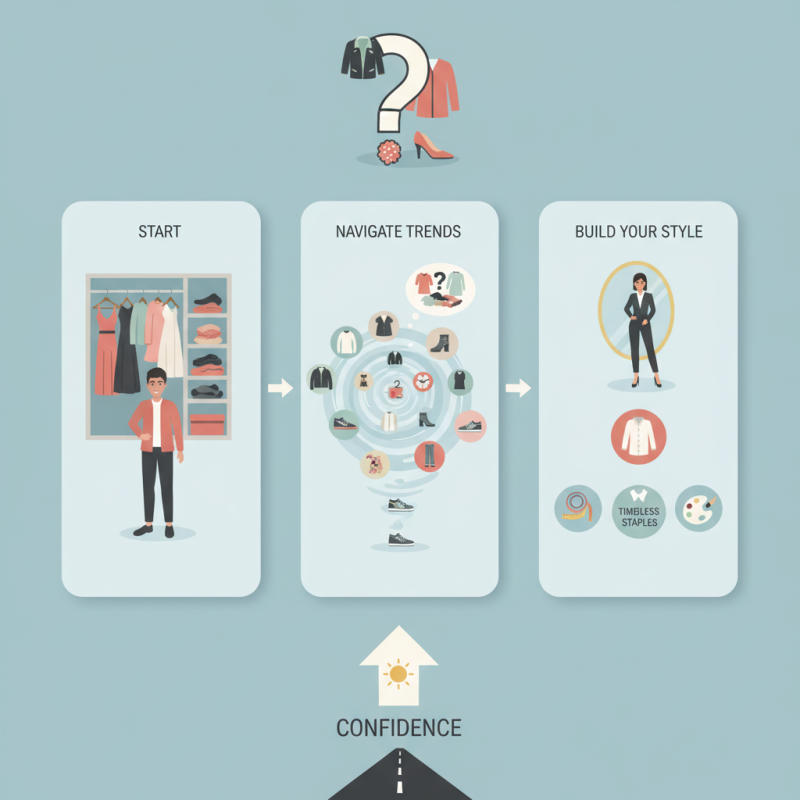
Fashion is a powerful form of self-expression. Yet, many beginners struggle with where to start. According to a recent survey by The Fashion Institute, 72% of individuals feel overwhelmed by fashion choices. This is where understanding "What Are The Best Fashion Tips For Beginners" becomes essential.
Navigating trends can be daunting. New fashion trends emerge daily, making it challenging to curate a personal style. Many individuals often doubt their choices, resulting in a closet full of unworn items. Statistics show that 60% of consumers regret impulsive fashion purchases. Insightful tips grounded in industry expertise can help avoid such pitfalls.
Building a unique style doesn't happen overnight. It involves understanding personal preferences, body types, and the significance of quality pieces. Expert advice emphasizes the importance of investing in timeless staples over fleeting trends. As you embark on your fashion journey, remember that exploring your individuality takes effort and confidence.
Understanding your personal style and body type is crucial for elevating your fashion game. Data from the Fashion Institute of Technology indicates that 80% of people feel more confident when they wear styles that flatter their body shape. Each body type—pear, apple, hourglass, and rectangle—has unique features. Identifying your type can guide you in selecting outfits that enhance your figure.
For instance, if you're a pear shape, balancing your silhouette might involve adding volume to your upper body. A-line skirts and fitted tops can create harmony. A study from the American Council of Fashion Design shows that 70% of women prefer clothing that accentuates their curves. On the other hand, an apple shape might benefit from styles that define the waist while providing comfort around the midsection.
Understanding your style can also be introspective. Many beginners struggle with embracing their individuality. Reflecting on what makes you feel confident can clarify your choices. You might try different silhouettes or colors, even if they initially seem less appealing. This effort leads to a wardrobe that truly represents who you are.
Building a versatile wardrobe begins with understanding essential pieces. Start with a classic white button-up shirt. It pairs well with jeans or skirts. Incorporate a well-fitted pair of jeans that flatters your body type. Consider styles like straight-leg or high-waisted for a contemporary look.
Layering is key to versatility. A neutral blazer can elevate any outfit. It can be dressy for work or casual for weekends. Don't forget shoes — a stylish pair of ankle boots and sleek sneakers can transform your outfits. Accessories matter, too; a simple scarf or a statement necklace can add personal flair.
Creating the perfect wardrobe isn’t easy. You may buy something, thinking it will work, only to find it doesn't suit your style. Reflection is important. Evaluate what you wear regularly. Are those pieces comfortable, fashionable, and true to your personality? Strive to curate a collection that gets you excited every day.
Incorporating color and patterns into your outfits can dramatically transform your style. Research by Color Marketing Group shows that color can influence consumer behavior by up to 85%. Bold colors can evoke emotions and convey confidence. Yet, many beginners stick to safe neutrals, missing out on the expressive power of color.
Start with small steps. Choose one statement color for your outfit. This could be a bright top paired with neutral bottoms. Alternatively, a vibrant accessory can elevate any look. Patterns can add dimension. Consider stripes or floral designs to add interest without overwhelming your outfit.
Mixing patterns can be tricky. Aim for varying scales to avoid clashing. A small polka dot can pair well with larger florals. Remember, imperfections are part of growth. Not every combination will work. Reflect on what you feel confident wearing, and adjust as needed. Embrace the process of experimentation; style is an evolution.
Accessorizing is a powerful tool for personalizing your fashion. It allows you to express your individuality. A well-chosen accessory adds depth and character to your outfit. According to a 2021 study by the Fashion Institute of Technology, about 70% of women feel more confident when they wear accessories that reflect their style. This indicates the significant impact of accessorizing on self-esteem and appearance.
Consider how jewelry can transform a simple outfit. A statement necklace over a solid dress can create an eye-catching focal point. However, it's essential to balance your look. Over-accessorizing can overwhelm your outfit and distract from your overall appearance. A minimalist approach often leads to a more sophisticated aesthetic. Combining a few key pieces, like a bold cuff and elegant earrings, maintains this balance.
Another key element is the selection of bags and shoes. Well-chosen footwear can enhance your silhouette and add flair to any look. According to a survey conducted by WGSN, 54% of fashion enthusiasts believe that shoes significantly affect their style. Yet, beginners may struggle to find a style that feels authentic. Experimenting with various accessories can help refine your personal taste. Sometimes, mistakes offer the best lessons in developing a unique style.
| Accessory | Purpose | Style Tips |
|---|---|---|
| Scarves | Add warmth and texture | Layer with jackets or wear as a headband |
| Statement Jewelry | Create focal points | Pair with solid colors to stand out |
| Belts | Define waistline | Use over dresses or long tops |
| Handbags | Complete the outfit | Match with shoes for a cohesive look |
| Hats | Add personality | Experiment with styles like fedoras or beanies |
| Sunglasses | Protect eyes and elevate outfits | Choose frames that complement face shape |
Layering is an essential skill for anyone looking to elevate their style, especially for beginners. It’s about mixing different pieces to create depth and interest. Start with a well-fitted base layer. A simple t-shirt or turtleneck can act as a foundation. The key is to choose neutral colors that can easily match with other pieces. Over this, add a mid-layer like a cardigan or denim jacket. This creates a fresh, casual look. Don’t be afraid to play with textures like knits or denim.
Different seasons call for different approaches to layering. In colder months, opt for thicker fabrics and cozy scarves. A stylish coat can also be a smart addition. Consider lengths and shapes. A long coat over a cropped top can create a chic silhouette. For warmer seasons, lighter materials like linen or cotton work well. Stick to lighter colors and shorter outer layers. But remember, balance is crucial. Too many layers can overwhelm your outfit. Adjusting the number or types of layers is necessary.
Reflect on what works for you. Your unique style will evolve as you experiment. Sometimes, a combination might not look as expected. Take notes on what feels comfortable and what doesn't. Finding the perfect balance can take time. Layering is not just about looks; it’s also about how you feel in your clothes. Trust the process and enjoy your journey toward mastering style.
: Knowing your body type helps choose outfits that enhance your figure. It boosts confidence and personal style.
A fitted top paired with an A-line skirt can balance the silhouette. Adding volume to the upper body works well.
Start with one bold color. Pair it with neutrals to make a statement. Experimenting leads to better choices over time.
Use varying scales to avoid clashing. For example, pair small polka dots with larger florals for a balanced look.
Accessories add depth and personality. A statement necklace can elevate a simple dress significantly and express your individuality.
Yes, too many accessories might overwhelm your outfit. A minimalist approach often leads to a more polished appearance.
Experimentation can refine your taste. Mistakes can teach valuable lessons about what works for your personal style.
Beginners often struggle to embrace their individuality. They may hesitate to try new silhouettes or colors that seem unfamiliar.
In order to answer the question, "What Are The Best Fashion Tips For Beginners," it's essential to first understand your personal style and body type. Recognizing what looks good on you and aligns with your taste is crucial in creating a confident and authentic wardrobe. Building a versatile wardrobe involves selecting essential pieces that can be mixed and matched for various occasions, ensuring you have a strong foundation to work from.
Incorporating color and patterns into your outfits allows for creativity and self-expression, while expertly accessorizing can enhance and personalize your look. Finally, mastering layering techniques is vital for adapting to different seasons and creating visual interest in your outfits. By following these guidelines, beginners can elevate their style and develop a fashion sense that feels uniquely theirs.
