China Best Clothing How To Balance Comfort And Style?

Time:2026-10-04 Author:Liam
0%

Choosing clothing from China can involve more than comparing colors, prices, or seasonal trends. Fabric quality, garment construction, sizing, and intended use all shape the wearing experience. A soft cotton shirt may feel pleasant in a fitting room, yet shrink after washing or lose its structure. Careful buyers examine fiber content, seam finishing, stitching density, and supplier communication before making decisions.

This guide explores How To Balance Comfort And Style In Clothing through practical, evidence-based choices. Experienced designers often begin with the body’s movement, then refine the silhouette. A relaxed shoulder, breathable lining, or flexible waistband can improve comfort without making an outfit look careless. Materials also matter. Linen suits warm weather, while brushed cotton and responsibly sourced wool offer different levels of warmth and texture. Reliable manufacturers should provide clear measurements, sample reviews, care instructions, and consistent quality checks.

Style still requires judgment. A loose garment may look modern on one person and unfinished on another. That tension is real. Personal taste, climate, occupation, and cultural setting influence every choice. Even professional recommendations can miss these details. A thoughtful approach tests clothing during ordinary activities, such as walking, sitting, commuting, and reaching for a shelf. It also reviews how the garment performs after laundering. Small observations often reveal more than attractive photographs. The goal is not perfect clothing, but a dependable relationship between appearance, movement, and daily comfort.
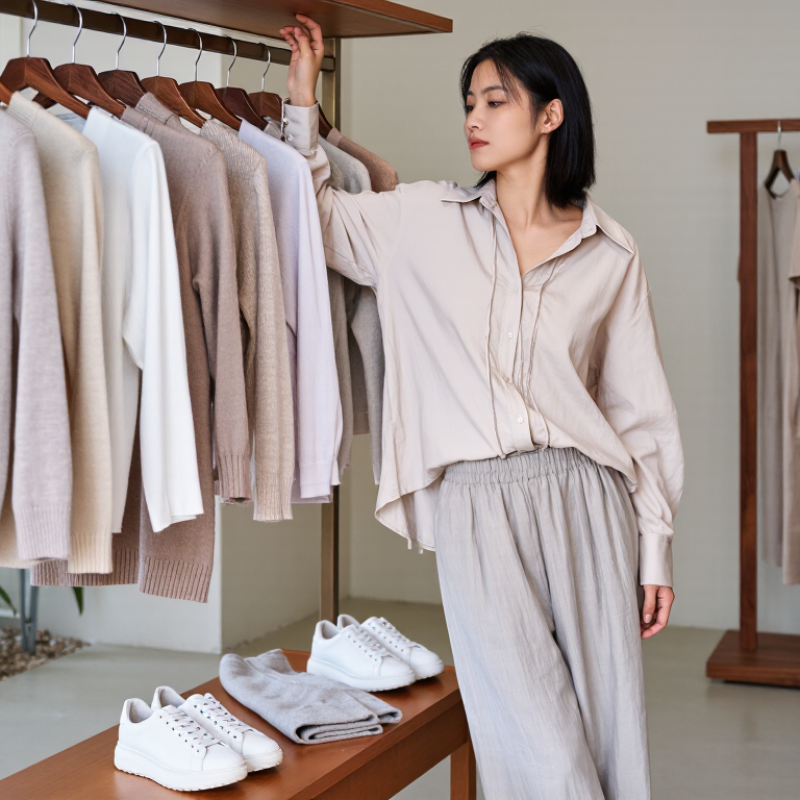
China Best Clothing How To Balance Comfort And Style?

Understanding the Relationship Between Comfort and Style in Clothing

China Best Clothing: How To Balance Comfort And Style?

Understanding the Relationship Between Comfort and Style in Clothing

Comfort and style are not rivals. They solve different needs in the same garment. Comfort begins with fabric, fit, airflow, and movement. A soft cotton blend may feel pleasant during a long workday. Yet, poor stitching can quickly reduce that comfort. Reliable clothing production requires careful checks on seam strength, fabric weight, colorfastness, and shrinkage. These details are practical, not decorative.

Style depends on proportion, texture, color, and useful design features. A relaxed shirt can look polished when its collar holds shape. Straight trousers may feel easier when the waistband bends naturally. Small details matter. Buttons should not press against the skin. Pockets should hold items without distorting the silhouette. Good designers test clothing while walking, sitting, reaching, and washing it.

Personal experience can challenge simple rules. I once chose a slim jacket because it looked elegant. After two hours, the tight shoulders became distracting. The design was attractive, but the garment failed in real life. That mistake changed how I judge clothing. I now examine movement before appearance. This approach is imperfect, though. Some comfortable pieces still look dull, and stylish pieces may require more care. The best balance comes from honest testing, skilled construction, and clear communication about materials and fit.

Choosing Fabrics That Support Both Ease and Appearance

China Best Clothing: How To Balance Comfort And Style?

Choosing Fabrics That Support Both Ease and Appearance

Fabric decides how clothing feels after several hours, not just how it looks on a hanger. I usually test garments by sitting, walking, and lifting my arms. A soft surface can still feel restrictive when the weave lacks flexibility.

Cotton offers breathability and familiar comfort, especially in warm weather. Linen feels cooler, but it wrinkles quickly and may look untidy during travel. A cotton-linen blend can reduce that problem while keeping a relaxed texture. For active days, small amounts of elastane can improve movement without making fabric look overly sporty.

Check the fabric weight, too. Lightweight material suits humid climates, while medium-weight fabric often hangs more neatly. A dense weave may last longer, but it can trap heat. No fabric wins every time. That matters.

I once chose a beautiful shirt that felt smooth in the store. After one afternoon, the collar rubbed my neck. The problem was not the fiber alone; the finishing and cut also mattered. Reliable clothing choices come from checking seams, stretch recovery, washing instructions, and local weather. Hold the fabric near a window. Notice its light, airflow, and surface. If it feels comfortable only while standing still, it probably needs reconsideration.

China Best Clothing: Balancing Comfort and Style Through Fabric Choice

Typical moisture regain and wrinkle-resistance ratings show how common fabrics can support both ease and appearance.

Higher moisture regain generally supports better moisture handling and comfort, while a higher wrinkle-resistance rating helps garments maintain a polished appearance. Values are typical textile-reference ranges or comparative ratings and may vary with yarn, fabric construction, finishing, and blends.

Selecting Clothing Cuts for Comfort, Fit, and Visual Balance

China Best Clothing: How To Balance Comfort And Style?

Selecting the right clothing cut begins with movement, not appearance. A comfortable garment should let you raise your arms, sit naturally, and breathe without pulling. In my fitting experience, shoulder seams reveal problems quickly. They should rest near the shoulder edge, not drop far down. A straight cut can suit fuller bodies, while gentle shaping creates definition without tightness. However, these are guidelines, not fixed rules. I once chose a sharply tailored shirt because it looked polished. After one hour, the stiff chest became uncomfortable.

Tips: Check the garment while standing and sitting. Leave enough room across the back. Test pockets, sleeves, and waistbands before buying. Two fingers of space can improve comfort, but too much fabric may weaken visual balance. Soft cotton, breathable linen, and light blends often support daily wear, yet fabric quality and finishing still matter.

Proportion also affects style. Cropped tops can visually lengthen the legs, while longer outer layers may create a calmer line. If your shoulders are broad, trousers with moderate width can balance the silhouette. Slim trousers may work better with relaxed upper cuts. Do not trust the mirror alone. Walk under natural light and inspect the side view. Small adjustments, such as shortening sleeves or refining the waist, often improve a basic garment. Personal comfort should remain the final test, even when the result is slightly less fashionable.

Coordinating Colors and Details Without Sacrificing Practicality

Balancing comfort and style starts with deliberate color coordination. A practical wardrobe can use two neutral colors and one controlled accent. For example, pair a soft gray overshirt with navy trousers and muted green socks. The outfit feels calm, but not dull.

The McKinsey State of Fashion 2025 report notes that shoppers remain highly focused on value and versatility. This supports choosing garments that work across several settings, rather than chasing short-lived trends.

Details should improve movement, care, and daily use. Look for breathable fabrics, flexible waistbands, secure pockets, and smooth seams. A clean collar can sharpen a simple shirt, while adjustable cuffs can make it more useful.

Textile Exchange’s Materials Market Report 2024 states that global fiber production reached about 124 million tonnes in 2023. That figure encourages more careful purchasing.

I sometimes overvalue attractive details, though. Decorative hardware can add weight, noise, and difficult washing. Good design is not always the most visible design.

Tips: Keep one strong detail per outfit. Match warm colors with warm neutrals, and cool colors with cool neutrals. Test pockets with your phone and keys before buying. Sit, walk, and reach forward. If the fabric pulls, the style will not rescue it. Check care instructions, too. A beautiful garment that shrinks easily may become an expensive mistake. There is no perfect formula; personal movement and climate still matter.

Evaluating Clothing Quality for Long-Term Comfort and Style

China Best Clothing: How to Balance Comfort and Style?

Evaluating clothing quality starts with real wear, not attractive photographs. A comfortable garment should feel smooth, allow shoulder movement, and remain stable after washing. Check the seam density, thread tension, and fabric recovery around the knees and elbows. A soft first touch can mislead. Some finishes feel luxurious but disappear after several washes. The ISO 12947 Martindale method tests fabric resistance against abrasion, while ISO 6330 provides standardized domestic washing procedures. These methods offer useful evidence, but test results cannot replace daily experience.

Durability also supports responsible style. WRAP’s Valuing Our Clothes report found that extending a garment’s active life by nine months can reduce its carbon, water, and waste footprints by 20–30%. Textile Exchange reported global fiber production reached 124 million tonnes in 2023. That figure makes careful purchasing more important. Examine fiber content, colorfastness claims, lining quality, and care instructions before choosing a fashionable piece. Natural fibers may breathe well, while engineered blends can improve stretch and shape retention. Still, no fabric performs perfectly in every climate. A practical evaluation should include sitting, bending, and checking the garment under ordinary light. I sometimes overvalue appearance and underestimate maintenance. That remains a useful correction.

China Best Clothing How To Balance Comfort And Style? - Evaluating Clothing Quality for Long-Term Comfort and Style

Comparative evaluation of common clothing choices for long-term comfort, appearance, and practical performance
Clothing Category Typical Fabric Structure Comfort Factors Style Versatility
(1–10)
Long-Term Comfort
(1–10)
Durability Considerations Care Requirements Best Balance Recommendation
Everyday T-Shirt Knitted cotton jersey; blends may include polyester or elastane Soft hand feel, moderate breathability, and low restriction. A looser fit improves airflow. 9/10 8/10 Higher fabric weight generally resists deformation better. Seams and neckline construction strongly affect service life. Wash according to the care label; cool or warm washing and avoiding excessive tumble-drying can reduce shrinkage and fading. Choose a medium-weight fabric with a stable neckline, smooth seams, and a fit that allows movement without excess fabric.
Button-Front Shirt Woven cotton, linen, cotton blend, or wrinkle-resistant synthetic blend Woven fabrics provide a structured appearance; natural fibers can feel breathable, while blends may dry faster and crease less. 10/10 7/10 Collars, cuffs, button attachment, and side seams are common stress points. Dense, even weaving usually improves resistance to wear. Follow fiber-specific washing instructions. Air-drying and prompt removal from the washer help limit wrinkles. Use a breathable blend or cotton fabric with reinforced buttons and a relaxed shoulder fit for a polished but comfortable look.
Casual Trousers Woven cotton twill, stretch cotton, or cotton-synthetic blend Stretch content can improve mobility, while a breathable weave helps manage heat. A contoured waistband reduces pressure. 9/10 8/10 Twill is generally more abrasion-resistant than lightweight plain weave. Pocket openings, seat seams, and knees need strong stitching. Wash inside out when appropriate; avoid excessive heat, which may weaken elastane and increase shrinkage. Select moderate stretch, a smooth waistband, and enough ease at the seat and thighs to prevent pulling during sitting.
Denim Jeans Indigo-dyed cotton denim; some versions contain elastane or recycled fibers Durable and supportive, but heavier denim may feel warm or restrictive. Stretch denim usually improves sitting and walking comfort. 9/10 7/10 Fabric weight, yarn quality, rivets, and seam construction influence longevity. High-friction areas commonly show wear first. Wash less frequently when practical, use cool water, and follow the care label to reduce color loss and fiber stress. Choose a mid-weight denim with limited stretch, a comfortable rise, and secure belt loops for a balance of shape retention and movement.
Knit Sweater Wool, cotton, acrylic, or blended yarn in a jersey, rib, or textured knit Knit construction provides flexibility and insulation. Wool can regulate warmth well, while cotton and some synthetics are easier to maintain. 8/10 8/10 Loose knits may snag or stretch. Pilling depends on fiber type, yarn construction, friction, and laundering conditions. Many wool garments require gentle washing and flat drying. Folding helps prevent shoulder distortion during storage. Use a medium-gauge knit with comfortable fiber contact, reinforced shoulder seams, and enough room for a base layer.
Lightweight Jacket Plain-weave nylon, polyester, cotton blend, or softshell fabric Wind protection and low weight support comfort outdoors. Ventilation panels or breathable construction reduce heat buildup. 9/10 7/10 Closures, zippers, cuffs, and pocket edges receive repeated stress. Smooth lining can reduce friction over other garments. Close zippers and fasteners before washing. Avoid unapproved fabric softeners when they may affect water-repellent finishes. Prioritize a light, quiet fabric, articulated sleeves, secure hardware, and enough space for layering without creating bulk.
Activewear Top Polyester or nylon knit with elastane for stretch and recovery Moisture can spread across many synthetic knits and evaporate quickly. Stretch supports movement; fit should avoid excessive compression. 7/10 8/10 Repeated stretching, body oils, and high heat can affect elastane recovery. Flat seams can reduce chafing. Wash promptly after heavy perspiration, use the recommended temperature, and avoid high heat that may damage stretch fibers. Choose breathable panels, durable stretch recovery, low-irritation seams, and a design that works for both exercise and casual layering.
Formal Blazer Wool, wool blend, polyester blend, or structured woven suiting fabric Tailoring improves appearance and shape, while natural or breathable blends can reduce discomfort during extended wear. 10/10 6/10 Interlining, shoulder construction, sleeve setting, lining, and pressing quality affect shape retention and wear life. Air between wears, use a suitable hanger, and follow professional-cleaning guidance where specified by the care label. Select an unrestrictive shoulder fit, breathable lining, functional pockets, and a moderate structure suitable for repeated use.
Loungewear Soft cotton jersey, modal blend, fleece, or lightweight synthetic knit High flexibility and softness are important. Breathability and a non-binding waistband help maintain comfort during long periods of sitting. 7/10 9/10 Waistbands, knee areas, and brushed surfaces may lose shape or pill with friction and repeated washing. Use gentle washing and moderate drying temperatures. Avoid overloading the washer, which increases abrasion. Choose a smooth, breathable fabric, flat seams, a stable waistband, and a relaxed cut that still looks presentable outside the home.
Evaluation scale: 1 indicates limited suitability and 10 indicates excellent suitability. Scores are general comparative ratings based on typical fabric behavior, garment construction, fit, breathability, mobility, maintenance, and expected wear conditions; actual performance varies with fiber quality, fabric weight, finishing, craftsmanship, and care.

FAQS

Can comfort and style exist in the same garment?

Yes. Comfort supports movement, airflow, and long wear. Style comes from proportion, color, texture, and useful details.

Which clothing features improve comfort during a workday?

Choose breathable fabric, flexible waistbands, smooth seams, and enough shoulder room. A soft fabric cannot fix poor stitching.

How can I test whether a garment fits properly?

Walk, sit, reach forward, and raise your arms. If the fabric pulls across your shoulders, reconsider the purchase.

How can colors look stylish without reducing practicality?

Combine two neutral colors with one controlled accent. Try a gray overshirt, navy trousers, and muted green socks.

What design details deserve attention?

Check collars, cuffs, pockets, buttons, and seam placement. Pockets should hold a phone and keys without changing the garment’s shape.

Can decorative details make clothing less practical?

Yes. Heavy hardware may add noise, weight, and difficult washing. Visible details are not always useful details.

How should I choose clothing for different settings?

Prefer versatile garments that work across work, travel, and casual situations. A short-lived trend may become difficult to wear later.

Why should care instructions affect a buying decision?

Washing can change size, color, and shape. A stylish garment that shrinks after one wash becomes an expensive mistake.

Is there one perfect balance between comfort and style?

No. Climate, body movement, and personal taste change the answer. I still choose attractive pieces that later feel dull or restrictive.

Conclusion

How To Balance Comfort And Style In Clothing begins with understanding that both qualities can work together rather than compete. Comfortable clothing should allow easy movement, feel pleasant against the skin, and suit the wearer’s daily activities, while stylish clothing should create a polished and confident appearance. Choosing breathable, flexible, and durable fabrics can support comfort without making an outfit look plain. The right cut is equally important: clothing should fit naturally, provide enough room for movement, and create visual balance through thoughtful proportions.

Color coordination and practical details can further improve an outfit. Neutral tones can offer versatility, while carefully selected colors or subtle accents add personality without reducing usefulness. Features such as functional pockets, secure fastenings, and easy-care materials may also enhance everyday wear. Finally, evaluating stitching, fabric strength, shape retention, and overall construction helps ensure long-term comfort and style. By considering these elements together, people can build clothing choices that look refined, feel comfortable, and remain practical over time.

Liam

Liam

Liam is a dedicated marketing professional with a profound expertise in the industry, where he excels at highlighting the unique advantages of our core products. With a keen understanding of market trends and consumer needs, Liam frequently updates our company’s professional blog, providing......