Choosing a fashion apparel supplier is not just a search for a low unit price. It is a decision about fabric consistency, delivery reliability, working conditions, and the details customers notice: uneven seams, color shifts, or late restocks. How To Choose High Quality Fashion Apparel starts with evidence, not polished sales photos.
Textile Exchange’s Materials Market Report 2024 estimates that global fiber production reached 124 million tonnes in 2023 and could rise to 160 million tonnes by 2030. That scale makes material traceability and supplier transparency increasingly important. But industry-wide figures cannot verify an individual factory. Ask for current certificates, production-site details, sample records, and references. Then compare the documents with what the supplier can actually demonstrate.
Sustainability researcher Kate Fletcher offers a useful perspective: “Slow fashion is about designing, producing, consuming and living better.” Her idea is relevant to supplier selection: dependable quality often comes from clear specifications and realistic production schedules, not rushed promises. Request a pre-production sample. Check its measurements, stitching, fabric hand, and wash performance. Discuss what happens when a batch fails inspection.
No checklist catches everything. Even a well-documented supplier may struggle during peak season, and a sample may not represent every finished item. Treat audits and certificates as starting points, not guarantees. A careful choice combines measurable checks with candid conversations—and leaves room to reassess when the evidence changes.
A clear supplier search starts with a product brief, not a vague mood board. Describe the garment’s intended use, target customer, fit, fabric composition, color range, size run, and expected order volume. Add measurable details where relevant, such as fabric weight, seam allowance, shrinkage tolerance, and acceptable color variation. Photos help, but they cannot replace written specifications. Small details matter.
Use the brief to define supplier criteria before comparing quotes. Ask about minimum order quantities, sample timelines, monthly capacity, quality checks, and how defects are documented and corrected. Request a sample made to your specifications, then inspect stitching, measurements, fabric hand feel, and color in natural light. Wash it if the care instructions allow. Check the results against your written tolerances, not just your first impression.
A low quote can look attractive until unclear terms create delays or inconsistent batches. Still, a brief can become too rigid; some details may need adjustment after handling the first sample. Record each change and ask the supplier to confirm it in writing. Clear criteria make comparisons fairer, though they cannot remove every production surprise.
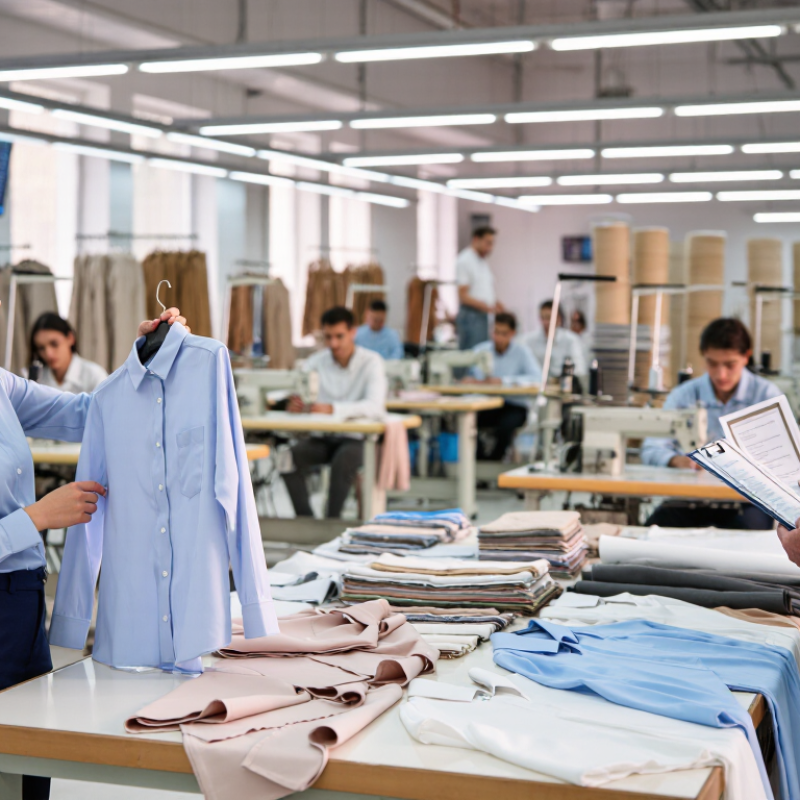
A supplier’s stated monthly output is only a starting point. Ask to see the production plan, active order load, and machine list. Check whether cutting, stitching, washing, and finishing happen in-house or rely on subcontractors. A factory may have many sewing machines yet lack enough skilled operators for complex construction. Request a sample production run and inspect seam consistency, measurements, and defect records.
Technical expertise should match the garment, not just the sales pitch. For stretchwear, ask how the team controls recovery and seam strength; for tailored pieces, review pattern grading and pressing methods. Textile Exchange’s 2024 Materials Market Report estimated global fiber production at 124 million tonnes in 2023, underscoring the scale and variety of materials suppliers must handle. Ask how they verify fabric composition, shrinkage, colorfastness, and batch consistency. Small details matter.
Resilience deserves equal scrutiny. The State of Fashion 2025 report by McKinsey and The Business of Fashion found that 39 percent of surveyed executives identified geopolitical instability as a top risk for the year. Ask suppliers how they manage late materials, machine downtime, and sudden order changes. Compare their answers with real production records, not polished slides. Forecasts can be wrong; I would treat even a detailed capacity sheet as a claim to verify, not proof.
A reliable apparel supplier should show what each fabric contains, where it came from, and how its claims were tested. Textile Exchange’s Materials Market Report 2024 estimated that global fiber production reached 124 million tonnes in 2023. That scale makes traceability more than paperwork. Ask for fiber-composition records, current test reports, and documentation linking them to the exact fabric lot—not merely a similar sample. Small details matter.
Inspect the material yourself where possible. Rub a swatch to check color transfer, measure it before and after washing, and compare its weight and hand feel with the approved sample. The Ellen MacArthur Foundation’s 2017 report, A New Textiles Economy, estimated that less than 1% of material used to produce clothing was recycled into new clothing. That figure makes clear why recycled-content claims need credible, product-specific evidence. A polished certificate alone is not enough.
Check that the supplier’s compliance records match your product, facility, and intended market. Confirm test dates, scope, and any corrective actions; requirements can change. For quality control, request written inspection criteria, defect limits, in-process checks, and final inspection records. Ask how measurements are taken and how failed batches are handled. One clean sample proves little. It is tempting to trust a neat audit file, but records can lag behind production; verify the current lot and revisit the process.
A low unit price can hide expensive trade-offs. Compare quotations using the same fabric weight, trim, labeling, packaging, and inspection standard. Then calculate landed cost, including sampling, freight, duties, and likely defect allowances. Ask suppliers to separate setup charges from per-piece pricing. A cheaper quote is not always cheaper.
Minimum order quantities affect cash flow and inventory risk. Request separate MOQs for each color, size run, and fabric, since one headline figure can be misleading. The OECD’s garment and footwear due-diligence guidance flags purchasing practices, including pricing and lead times, as factors that can influence supply-chain risks. That deserves attention. A small trial order may cost more per unit, but it can reveal inconsistent stitching or shade variation before a larger commitment.
Delivery promises need evidence. Review dated production schedules, shipment records, and reasons for delays across several recent orders. The World Bank’s 2023 Logistics Performance Index assessed 139 economies across six areas, including tracking and timeliness; use these same ideas when evaluating a supplier’s logistics process. UNCTAD’s Review of Maritime Transport 2024 reports that over 80% of world merchandise trade by volume moves by sea, so port delays can affect apparel arrivals. Build buffer days into launch plans, and confirm what happens when fabric arrives late. Supplier comparisons are rarely perfectly neat. That is worth admitting.
A reliable fashion apparel supplier communicates clearly before an order is placed, not only when a problem appears. Ask who will handle sampling, production updates, and quality concerns. Request a realistic response schedule and a named contact. During sample review, note whether the supplier answers specific questions about stitching, fabric weight, or color variation. Clear answers make later decisions easier. Small details matter.
Tips: Send a short question list. Ask for dated sample photos and written confirmation of requested changes. Keep key decisions in one email thread.
Pay attention to how the supplier handles uncertainty. If a fabric shade is unavailable, do they explain the options and possible delay, or simply promise everything will be fine? A practical partner shares constraints early and suggests workable alternatives. No process is perfect; even a dependable contact may miss a message during a busy production week. What matters is whether they acknowledge the gap, provide an update, and follow through. I might still overvalue a quick reply, so compare responsiveness with the quality of the actual answers. A calm, honest exchange often tells you more than a polished sales presentation. Keep a brief record of response times, sample changes, and agreed dates before committing to larger orders.
Request the production plan, current order load, and machine list. Compare these with recent production records. A sample run can show whether the stated capacity is realistic.
Check seam consistency, measurements, and defect records. Look closely at sleeve joins and finished hems. Small details matter.
Match its experience to your garment type. For stretchwear, review fabric recovery and seam strength. For tailored pieces, ask about pattern grading and pressing methods.
Ask how the supplier verifies composition, shrinkage, colorfastness, and consistency across batches. Compare swatches under the same lighting. A subtle shade shift is easy to miss.
Ask how it responds to late fabric, machine downtime, and sudden order changes. Compare its answers with production records, not polished presentations.
Use the same fabric weight, trims, labels, packaging, and inspection standards. Include sampling, freight, duties, and likely defect costs. A low price can mislead.
Request separate quantities for each color, size range, and fabric. A small trial order may cost more per piece, but can reveal stitching or shade issues early.
Review dated schedules and shipment records from several recent orders. Ask why delays happened and what happens when fabric arrives late. Add buffer days. Plans still slip.
How To Choose High Quality Fashion Apparel suppliers begins with clearly defining your product requirements, including design details, materials, sizing, expected volumes, and delivery timelines. Use these needs to establish practical supplier criteria, then assess each candidate’s manufacturing capacity, relevant technical expertise, and ability to maintain consistent production as orders change.
Next, verify material quality and ask how quality checks are carried out at each production stage. Compare pricing alongside minimum order quantities and realistic delivery schedules, rather than judging suppliers on cost alone. Finally, consider how promptly and clearly a supplier communicates, responds to concerns, and collaborates on solutions. A reliable apparel partner should be transparent about capabilities and limitations, support consistent quality, and work constructively with your team over time. Together, these steps help you make an informed choice that balances product standards, production needs, and a dependable working relationship.
