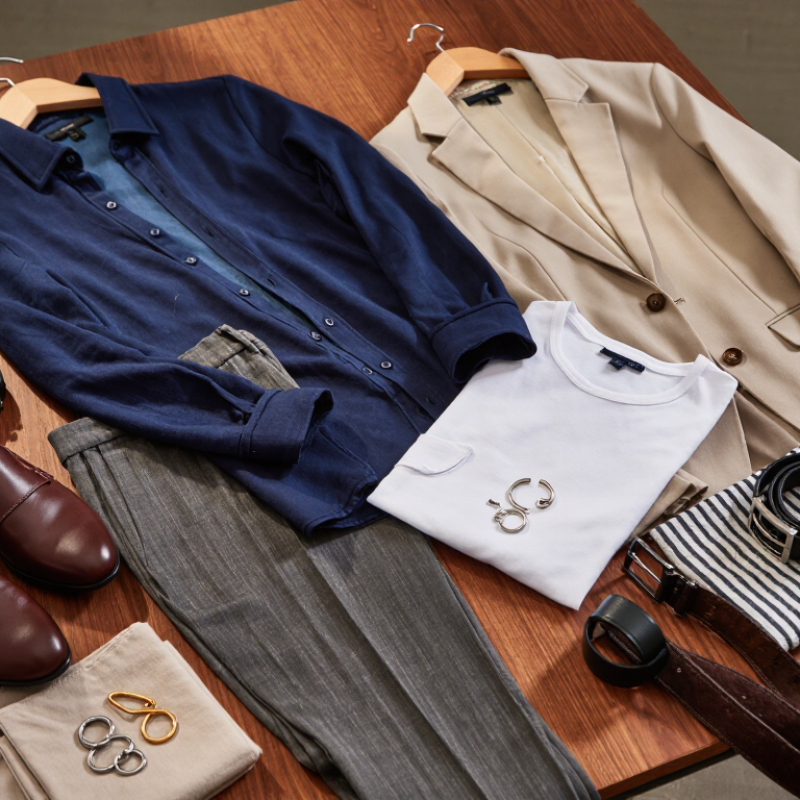
Building a flexible wardrobe starts with learning How To Choose Versatile Clothing Pieces for real daily situations. A useful garment should work beyond one carefully planned outfit. It might carry you from a morning commute to an informal dinner without looking misplaced. Think of a navy overshirt, straight-leg trousers, or a clean white knit. These pieces can change character through shoes, layering, and accessories.
This guide shares seven practical tips based on reliable wardrobe planning principles. You will consider fabric quality, neutral colors, comfortable cuts, and seasonal adaptability. A versatile item should feel good against your skin and survive repeated washing. Check the seams, buttons, and care label before buying. Small details matter. A loose thread can reveal weak construction.
Personal experience also matters more than online styling rules. A beige blazer may appear universal, yet its fit could restrict movement or clash with your usual clothes. I have bought “essential” pieces that stayed untouched because they did not suit my routine. That mistake is worth remembering. Versatility is not the same as blandness, either. A subtle stripe, textured fabric, or distinctive collar can add personality while remaining easy to style. These suggestions are practical rather than absolute, because climate, workplace expectations, body shape, and laundry habits differ. Use the seven tips as a thoughtful framework, then test each piece in your own wardrobe. Your most versatile clothing may not be the most fashionable item today. It may be the one you reach for repeatedly, comfortably, and without hesitation.
How To Choose Versatile Clothing Pieces: 7 Tips?
Fashion Revolution’s 2023 survey found that 39% of consumers buy clothes monthly. That frequency makes planning essential. Before shopping, write down your real wardrobe needs: workdays, weekends, weather, travel, and laundry habits. Then review ten frequently worn items. Note missing colors, repeated styles, and uncomfortable fits. Choose a quiet color palette, dependable fabrics, and shapes that layer easily. A shirt should work under a jacket, over a tank top, and with casual trousers.
Use seven practical checks: define the occasion, match your existing colors, test the fit, inspect the fabric, consider layering, check care instructions, and estimate cost per wear. During a fitting, sit, bend, and raise your arms. Small discomfort becomes a large problem after eight hours. Natural fibers can feel breathable, but durability depends on construction and care. Blended materials may perform better, though they can complicate recycling.
UNEP’s Sustainable Fashion Communication report estimates that textiles create 2–8% of global greenhouse gas emissions. Buying fewer, more useful pieces matters. WRAP research also indicates that extending a garment’s active life by nine months can reduce its carbon, water, and waste footprints by about 20–30%. These figures are persuasive, but wardrobe decisions are rarely perfect. I still find “versatile” pieces unworn when the fit feels wrong. A purchase diary can expose that mistake. Record the item, price, wears, washing method, and reason for choosing it. Reconsider monthly shopping when your existing clothes already cover the occasion.
How To Choose Versatile Clothing Pieces: 7 Tips
Garment use has fallen 36%, according to the Ellen MacArthur Foundation’s A New Textiles Economy report. That decline changes how we define versatility. A useful garment should support repeated outfits, not merely appear neutral in a store. A practical wardrobe audit starts with seven checks: choose a reliable base color, add two compatible accents, test three outfits, inspect fabric strength, consider layering, repeat useful silhouettes, and estimate future wears. Three outfits minimum.
Build a coordinated color palette before buying anything. Start with two foundation shades, such as navy and cream, then add one muted accent. A rust scarf or olive overshirt can change the mood without creating visual chaos. Similar undertones usually combine more easily. WRAP’s Valuing Our Clothes report found that extending clothing life by nine months can reduce carbon, water, and waste footprints by about 20–30%. More wears matter.
Do not trust color alone. Check seams, care demands, and comfort while sitting or walking. A beautiful piece that needs constant adjustment will probably stay untouched. This method is not flawless. My weak point is often buying an unusual color because it feels exciting. Record each garment’s wears for one month. If a piece cannot form three practical outfits, pause before purchasing. A smaller palette can still feel expressive. Clothing should work hard.
Build a coordinated color palette and select adaptable garments as clothing use has declined by 36% over the past 15 years.
The chart uses a clothing-use index: the earlier period is set to 100, while the current level is 64 after a reported 36% decrease. Versatile pieces in coordinated colors can support more outfit combinations and longer use.
How to Choose Versatile Clothing Pieces: 7 Tips
Prioritize durable fabrics because longevity changes clothing’s environmental cost. WRAP’s Valuing Our Clothes report found that extending a garment’s active life by nine months can reduce its carbon, water, and waste footprints by 20–30%. Check the fabric closely. Look for dense weaving, firm seams, and buttons that can be replaced. Choose cotton, linen, wool, or recycled fibers according to the garment’s purpose. Avoid fabric that feels thin before washing.
Think in combinations. Select neutral colors, simple shapes, and layers that work across seasons. A durable overshirt can suit commuting, travel, and relaxed weekends. Choose trousers with enough room for movement. Check whether the fabric wrinkles excessively. Read the care label before purchasing. Cold washing and air drying usually place less stress on fibers. However, “easy care” does not always mean long lasting.
I still misjudge fabric sometimes. Softness can hide weak construction. A practical test helps: gently stretch the seams, inspect loose threads, and imagine repairing the item. The Ellen MacArthur Foundation has reported that clothing utilization has fallen significantly, making each wear more important. Buy fewer pieces, but not blindly. A versatile garment should survive repeated wear, basic repairs, and changing outfits. Seven useful checks are durability, comfort, fit, color, layering, care needs, and repairability. None is perfect alone.
Versatile clothing begins with adaptable cuts, not endless choices. A straight-leg trouser usually works with loafers, trainers, or ankle boots. Choose a mid-rise waist and enough room to sit comfortably. I test movement before buying. Walk, bend, and lift your arms. If the garment pulls, it will rarely become a reliable favorite.
Layers increase a garment’s usefulness across changing temperatures. A lightweight overshirt can sit over a T-shirt, under a coat, or beside a dress. Look for sleeves that allow movement and fabric that does not wrinkle immediately. A fine knit works beneath a jacket, while a loose cardigan adds warmth without creating bulk. Pay attention to length. A layer ending near the hip often balances both trousers and skirts.
Neutral colors help, but shape matters more than color alone. A simple dress with a defined waist can look relaxed with flat shoes and sharper with a structured jacket. I once chose an oversized shirt because it looked effortless online. In practice, it swallowed narrow trousers and needed constant adjusting. That mistake taught me to compare proportions, not isolated pieces. Check washing instructions too. A versatile item that needs delicate care after every wear may not earn frequent use. Test the details in real life. That is where useful clothing proves itself.
| Tip | Versatile Piece | Adaptable Cut or Layering Feature | Useful Color Direction | Suitable Settings | Potential Outfit Combinations* | Practical Check |
|---|---|---|---|---|---|---|
| 1 | Straight-leg trousers | A mid-rise, straight or gently tapered cut fits over slim base layers and under longer jackets without excessive bulk. | Black, navy, charcoal, beige, or another muted solid | Work, travel, everyday wear, dinners | 8–12 | Check that the waistband is comfortable when sitting and that the hem works with both flat and low-heeled shoes. |
| 2 | Button-front shirt | A moderate-length hem allows the shirt to be worn tucked, untucked, open over a top, or layered under knitwear. | White, pale blue, soft stripe, or another low-contrast pattern | Office, casual outings, layering, travel | 8–14 | Choose breathable fabric, a collar that lies flat, and enough room across the shoulders for a light layer underneath. |
| 3 | Fine-gauge cardigan | A lightweight, open-front or button-front design can function as a top layer, mid-layer, or shoulder wrap. | Grey, navy, cream, camel, or muted green | Office, home, cool-weather events, transitional seasons | 6–10 | Look for a smooth knit that slides comfortably under a coat and does not pull across the upper arms. |
| 4 | Midi skirt | A straight, A-line, or softly pleated shape pairs with fitted tops, shirts, sweaters, and cropped or hip-length jackets. | Black, denim blue, olive, brown, or another medium-to-dark neutral | Work, weekends, meals out, smart-casual occasions | 7–12 | Choose a length that allows comfortable walking and a waistband that remains secure when paired with tucked tops. |
| 5 | Unstructured knit blazer | A soft, lightly tailored shape adds structure without restricting movement and layers over shirts, dresses, or fine sweaters. | Charcoal, navy, taupe, or textured neutral | Business-casual work, presentations, travel, dinners | 6–10 | Ensure the shoulder seam sits correctly and the sleeves allow a shirt cuff to show without bunching. |
| 6 | Lightweight overshirt | A relaxed but not oversized fit works as a shirt, an open jacket, or an extra layer over a dress or T-shirt. | Denim blue, khaki, ecru, grey, or washed black | Casual wear, outdoor activities, travel, mild weather | 6–9 | Select a fabric with enough body to hold its shape but enough flexibility for reaching, sitting, and carrying a bag. |
| 7 | Simple day-to-evening dress | A clean, nonrestrictive silhouette can be worn alone, under a jacket, over a shirt, or with a belt to vary the shape. | Navy, black, dark green, burgundy, or another versatile solid | Work, daytime events, dinners, travel | 6–11 | Prefer opaque, crease-resistant fabric and a hem that works with both casual shoes and dressier footwear. |
| *Combination estimates are planning ranges, not performance guarantees. They assume each garment is paired with at least three compatible tops, two layering options, and two footwear choices, while maintaining appropriate proportions and weather suitability. | ||||||
Choosing versatile clothing starts with a practical question: how often will you wear it? Cost per wear makes that question measurable. Divide the purchase price by realistic wears.
A $120 jacket worn 30 times costs:
$4 per wear
A $45 jacket worn twice costs:
$22.50 per wear
My own mistake was counting imaginary outfits. The closet proved me wrong.
Industry data supports this slower calculation. The Ellen MacArthur Foundation reported in A New Textiles Economy that clothing utilization has fallen 36% compared with 15 years earlier.
WRAP’s Valuing Our Clothes research found that extending a garment’s active life by nine months can reduce its carbon, water, and waste footprints by about 20%. These figures do not make every expensive item a wise purchase. Quality can still disappoint. Price is only one variable.
Before checkout, imagine 30 actual days of use. Include work, travel, washing, and uncomfortable weather. If the piece needs special care every time, increase its true cost. If it only matches one outfit, lower its versatility score. Cost per wear is not perfect, but it makes wishful thinking harder.
Review ten clothes you wear often. Note missing colors, repeated styles, and uncomfortable fits. Be honest.
It should match at least three items you already own. A shirt that layers under a jacket and works with casual trousers is useful.
Sit, bend, walk, and raise your arms while trying it on. Small discomfort matters after a long day.
Check the weave, seams, buttons, and loose threads. Stretch the seams gently. Softness alone can fool you.
Read the label before checkout. Frequent special care can make a garment less practical, even if it looks durable.
Divide the price by the number of times you realistically expect to wear it. A $120 jacket worn 30 times costs $4 per wear.
Picture real occasions, weather, laundry, and travel. I have counted imaginary outfits before. My closet disagreed.
Note the item, price, wears, washing method, and why you chose it. Review the notes after three months.
How To Choose Versatile Clothing Pieces begins with understanding your lifestyle, daily activities, climate, and existing wardrobe before shopping. Many people purchase clothes every month, yet clothing use has declined significantly, making thoughtful selection more important. Start by creating a coordinated color palette so new garments can pair easily with what you already own. Neutral foundations combined with a few complementary colors can create many outfits without requiring a large wardrobe.
Durability is another key consideration because wearing clothes for longer can reduce their environmental footprint by approximately 20–30%. Choose strong, comfortable fabrics and care for them properly to extend their lifespan. Adaptable cuts, layering-friendly designs, and pieces suitable for different settings can also increase the number of times each item is worn. Finally, compare the price with the expected number of wears. A simple cost-per-wear calculation helps measure true value and encourages purchases that are practical, flexible, and lasting.
