In 2026, fashion trends move quickly across runway shows, street-style photographs, and social media feeds. Keeping up does not mean replacing your wardrobe every season. How To Follow Latest Fashion Trends is really about spotting ideas that fit your life, budget, and personal style. Fashion photographer Bill Cunningham captured the everyday power of clothing: “Fashion is the armor to survive the reality of everyday life.” His perspective is a useful reminder: a trend should serve the person wearing it, not the other way around.
Trends are signals, not rules. Start by noticing recurring details, such as wide-leg trousers, a particular shade, or a soft suede texture. Then compare what you see with trustworthy fashion coverage and brand collections, rather than relying on one viral post. Try a small change first: a colored scarf, a secondhand jacket, or a different shoe shape. Check the fabric, fit, care label, and likely cost per wear before buying. Small details matter.
This guide will explore practical ways to identify emerging looks, adapt them to different occasions, and shop more thoughtfully. It will also consider what trend reports can miss: regional taste, body comfort, and the appeal of wearing something for years. Not every trend deserves a place in your closet. That is worth remembering. Fashion advice is strongest when it is specific, transparent about its limits, and tested against real daily routines. A polished outfit is not the only measure of good style; comfort and confidence count, too.
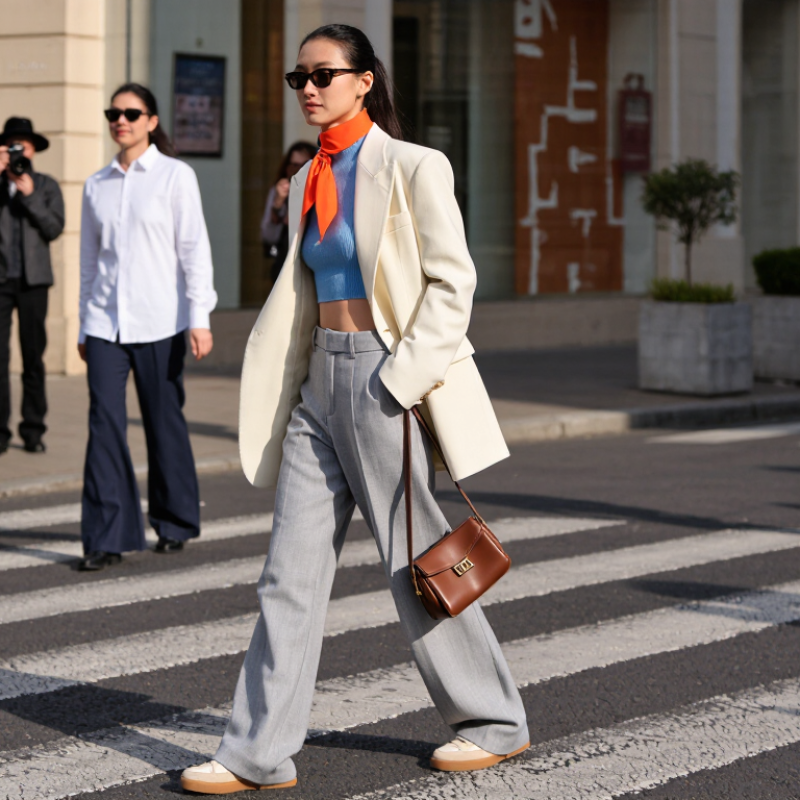
In 2026, fashion trends are likely to emerge from several signals meeting at once: cultural mood, runway ideas, online styling, and what shoppers actually buy. A striking silhouette may gain attention in photographs, but repeated wear and easy styling help it travel beyond a single post. Watch for details appearing in different places, such as soft yellow on street-style outfits, shop displays, and everyday accessories. One sighting is not a trend.
Industry data can reveal which signals have staying power. The 2024 Resale Report recorded 14% growth in the U.S. secondhand apparel market in 2023. That growth points to rising interest in clothing with a longer life, though it does not prove that every vintage look will take off. Pay attention to repeated searches, resale listings, and customer reviews alongside runway coverage. The context matters.
There is no perfect forecast. Reports often reflect past behavior, while social feeds can make a niche look bigger than it is. I would track a look for several weeks, then test it with one practical piece: a relaxed jacket, a colored knit, or a narrow belt. If the look feels awkward after a few wears, that is useful evidence too. Trends are clues, not instructions.
To track 2026 style shifts, start with sources that show where an idea came from, not just a polished outfit. Established fashion editors, runway reviewers, textile specialists, and museum costume archives provide useful context. Look for dates, named contributors, and images tied to a specific collection or season. Small details matter. A hemline repeated across several shows carries more weight than one viral clip.
Cross-check those observations against street-style photography and search data, but treat each as a clue, not proof. Social feeds reward novelty and may recycle old looks as new. Compare several independent reports, then note whether the same silhouette appears in different cities and settings. A simple note on your phone helps: source, date, detail, and how often it appears. It is not scientific, but it can stop a striking image from becoming a false trend.
Check who benefits from a claim. Sponsored posts and anonymous forecasts can blur reporting with promotion; clear disclosures and transparent methods deserve more trust. For advice that affects fit or comfort, consult a trained tailor or textile professional before altering a garment. Compare trends with your own closet, too: a soft, boxy jacket may be practical, while an awkward shoe may only photograph well. Trend reading is imperfect. I still misread things sometimes.
Fashion trends can look effortless online, but real wardrobes must handle weather, work schedules, and laundry days. Before buying anything, list the situations you dress for most: commuting, office hours, weekend errands, or social events. Choose trends that solve a practical need or refresh pieces you already wear. A relaxed silhouette may suit long walks; delicate fabric may not survive a crowded train. Fit matters more than popularity.
Set a spending limit before browsing, and see whether each item works with at least three outfits you own. If it suits only one special look, its cost per wear may be higher than expected. Check fabric care and seams; these details affect how long a piece stays useful. I sometimes buy things because they photograph well, then rarely reach for them. Keep it wearable.
Tips: Test a trend cheaply first. Borrow a color idea, restyle an existing outfit, or try one accessory. Wait a day before purchasing. Small tests help. If the item still fits your budget and routine, consider it. Keep receipts, then review what you actually wore after a month.
In 2026, treat a trend as a styling prompt, not a shopping list. Pull one trend piece into a familiar outfit before buying anything. A sheer layer, sculptural belt, or warm red scarf can refresh a plain knit and straight-leg trousers. Keep the rest of the look recognizably yours. That makes the new piece easier to wear on ordinary mornings, not just in photos.
Check your wardrobe in daylight. Lay the trend item beside three pieces you already wear, then test two complete outfits. If it only works for one special occasion, pause.
The 2024 Resale Report, drawing on GlobalData research, found that the U.S. secondhand apparel market grew 14% in 2023. That does not prove every shopper wants resale, but it suggests growing interest in extending clothing life. An Ellen MacArthur Foundation report found clothing utilization fell 36% over roughly 15 years.
Small changes count. Try turning a jacket cuff, adding a bright sock, or wearing a new silhouette with your usual shoes. Photograph each outfit, then notice what feels like you and what feels borrowed.
It is easy to get this wrong: a trend can look polished at home and fussy outside. Give the piece a full day before deciding whether it deserves closet space. If it needs tailoring, choose a simple adjustment that still lets you move and sit comfortably.
A changing wardrobe does not need a complete reset. Start with what you already wear: the soft grey sweater that works on cold mornings, or trousers that feel right through a long day. Notice which pieces stay on the chair and which remain untouched. Trends matter less when they do not fit your routines, comfort, or budget.
The ThredUp 2025 Resale Report, prepared with GlobalData, estimates that the U.S. secondhand apparel market grew 14% in 2024, five times faster than the wider clothing market. It projects that market could reach $74 billion by 2029. These figures suggest growing interest in extending clothes’ useful lives, not a rule that everyone must shop secondhand. Before buying, try one small update: a new color near your face, a different layering piece, or a hem adjustment. Check the fabric in daylight. Does it still feel like you?
Keep a brief outfit log for two weeks. Note what you wore, what felt awkward, and what earned a repeat. It is not scientific. It can still reveal patterns that scrolling cannot. I would not treat every note as a verdict; weather and mood change, too. When a trend catches your eye, test it with one piece you can already pair with three items in your closet.
Refresh your style as trends and preferences change
Suggested personal planning scores, not survey results: prioritize versatile basics and fit, then experiment with colors, accessories, and trend-led pieces. Revisit your scores as your preferences change.
Look for it in several places, such as street outfits, shop displays, and everyday accessories. One sighting is not enough.
Compare runway ideas, cultural moods, online styling, searches, resale listings, and customer reviews. No single signal tells the whole story.
No. The U.S. secondhand apparel market grew 14% in 2023, but that does not guarantee every vintage look will catch on.
Add one piece to familiar clothes, like a warm red scarf with a plain knit and straight-leg trousers. Keep the rest simple.
Put it beside three items you already wear. Make two outfits in daylight. If it only works for one occasion, pause.
Wear it for a full day, then notice how it feels outside the mirror. A little awkwardness can be useful evidence.
Turn up a jacket cuff, add a bright sock, or try a narrow belt with familiar shoes. Small details count.
Photograph a few outfits and compare them with what you usually wear. I may overthink this, but borrowed-looking outfits are worth reconsidering.
It can. One report found clothing use fell 36% over roughly 15 years. Choose pieces you can wear often, not just photograph once.
How To Follow Latest Fashion Trends in 2026 starts with understanding how styles take shape. New ideas can emerge from changing cultural interests, everyday needs, and creative expression, then develop into looks people adapt in different ways. To keep up, follow a range of reliable fashion sources and compare what they share rather than treating every new look as a must-have. This helps you spot recurring trends and decide which ones are worth exploring.
Before adding a trend to your wardrobe, consider your lifestyle, personal taste, and budget. Choose pieces that feel comfortable and useful, and look for ways to pair them with clothes you already own. Small changes, such as updating a color combination or adding a new silhouette, can make an outfit feel current without requiring a complete wardrobe overhaul. As trends shift and your preferences evolve, review what you wear and make thoughtful adjustments so your style remains practical and genuinely your own.
