How To Identify High Quality Fabrics for Your Business?

Time:2026-06-29 Author:Aria
0%

In today's competitive fashion industry, understanding "How To Identify High Quality Fabrics" is essential for business success. Research shows that 87% of consumers consider fabric quality a top factor in purchasing decisions. With the rising demand for sustainable and ethically sourced materials, businesses must prioritize high-quality fabrics to build trust and loyalty among customers.

Quality fabrics not only enhance the aesthetic appeal of garments but also impact their durability and comfort. A study by the Textile Exchange highlights that high-quality fabrics can increase a product's lifecycle by 30%. This emphasizes the need for brands to analyze their fabric choices closely. However, many businesses still struggle with determining what constitutes high quality.

Some may overlook the significance of fabric composition, weave, and finish. This often leads to sourcing inferior materials, which can harm a brand's reputation. The importance of proper fabric identification cannot be overstated. Investing time in learning about fabric characteristics will equip businesses with the knowledge needed to make informed choices.
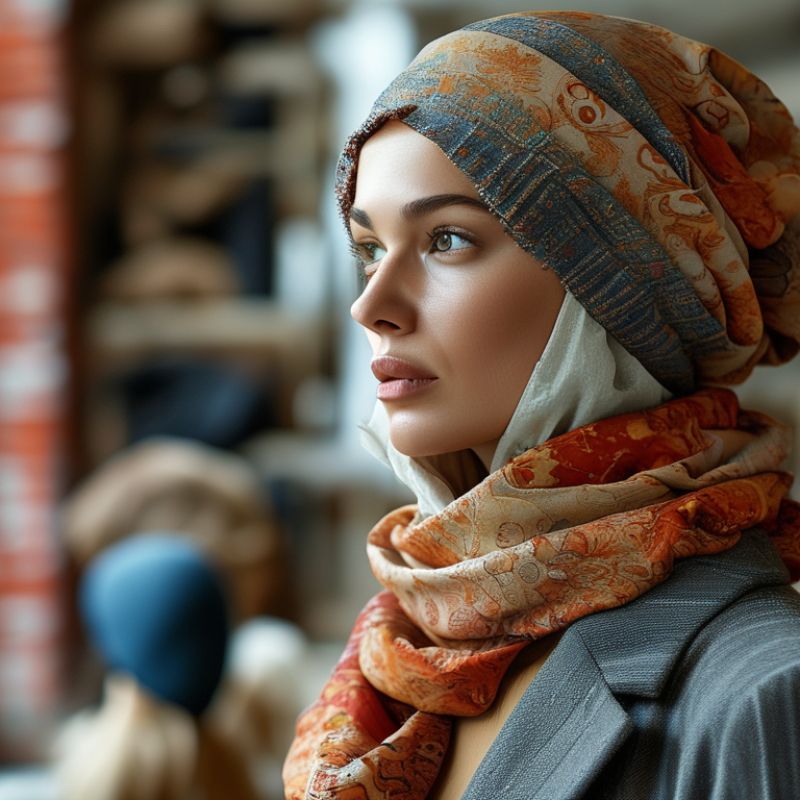
How To Identify High Quality Fabrics for Your Business?

Understanding the Basics of Fabric Types and Their Characteristics

When choosing fabrics for your business, understanding fabric types is essential. Different fabrics serve different purposes. Cotton, for instance, is breathable and soft. It is easy to care for and great for everyday wear. However, it wrinkles easily and may not offer durability for heavy use.

Synthetic fabrics like polyester are strong and resistant to stains. They dry quickly and retain their shape well. Yet, they may lack breathability, leading to discomfort in warm climates. Carefully assessing these key characteristics can help you select the right fabric type for your target audience.

Wool, known for its warmth, is often used for winter clothing. But it can be itch-inducing for some people. Linen is another option; it’s light and suitable for summer. However, it creases easily, which might not appeal to everyone. Balancing the pros and cons is crucial in making informed decisions.

Evaluating Fabric Quality: Key Indicators to Look For

When evaluating fabric quality, several key indicators stand out. The first aspect is the fiber content. Natural fibers like cotton and wool often provide better breathability and durability. Conversely, synthetic fibers may offer strength but can lack comfort. Observing the fabric may reveal much. A closely woven texture usually indicates higher quality.

Texture is crucial as well. Run your fingers over the fabric. Does it feel soft and smooth? Roughness or coarseness can hint at poor quality. Additionally, checking the drape is essential. A high-quality fabric typically flows elegantly, while lower quality stands stiffly.

Tips: Always consider how the fabric reacts to light. Quality fabrics often have richer colors and more consistent patterns. Testing for stretch and recovery can also reveal durability. Remember, the visual appeal might not match the longevity of the fabric. Reflect on your observations critically to make informed decisions.

The Role of Fiber Composition in Determining Fabric Quality

When assessing fabric quality, fiber composition plays a crucial role. Natural fibers such as cotton, silk, and linen often provide breathability and comfort. These fibers typically excel in moisture absorption and reduce the risk of skin irritation. However, their durability may vary. For instance, cotton can wear down over time, requiring careful handling.

Synthetic fibers like polyester and nylon offer strength and resilience. They are often more resistant to wrinkles and stains. Yet, they may lack the same breathability as natural options. This trade-off highlights the need for balance. Understanding the unique properties of each fiber type is essential in making informed choices.

Choosing high-quality fabrics involves careful analysis of fiber composition. Look for blends that combine the advantages of multiple fibers. This can improve performance, comfort, and durability. Always consider the end use of the fabric. A fabric designed for activewear should prioritize moisture-wicking capabilities. In contrast, upholstery fabrics should focus on durability and ease of maintenance. Recognizing these factors will lead to better decisions for your business.

Assessment Techniques: How to Test Fabric Durability and Feel

When assessing fabric durability and feel, several techniques can help distinguish high-quality materials. First, perform a simple visual inspection. Look for even stitching and consistent dyeing. These details often indicate better craftsmanship. Touch the fabric to gauge its texture. A soft feel often suggests a high-quality product, but remember that softness alone doesn't guarantee durability.

Next, conduct the rub test. Rubbing the fabric against itself or another piece can reveal how well it holds up over time. A fabric that shows signs of wear quickly may not withstand daily use. Additionally, the stretch test can be insightful. Gently pull the fabric; high-quality materials should return to their original shape without distortion. It's also important to consider the weight of the fabric. Heavier fabrics often indicate a more durable product.

Lastly, check for water resistance. A quick water droplet test can show how fabric repels moisture. High-quality fabrics often bead up water instead of absorbing it. Engaging in these assessment techniques will require practice and reflection. It's crucial to remember that even experienced professionals can overlook subtle flaws. Each evaluation sharpens your ability to identify quality fabrics for your business.

Fabric Quality Assessment: Durability and Feel

Building Relationships with Reliable Fabric Suppliers for Quality Assurance

Building strong relationships with reliable fabric suppliers is essential for ensuring quality in your business. A trustworthy supplier can offer guidance, insights, and a variety of fabric options. They can help you understand fabric properties, which is crucial for your product's success. Research is key. Look for suppliers with a good track record and positive reviews. Attend trade shows to meet potential partners and see their offerings firsthand.

Tips for building trust with suppliers include clear communication and setting expectations. Be open about your needs and timelines. This reduces misunderstandings and fosters a cooperative environment. Regular check-ins can also help maintain relationships. Inquire about their sourcing methods or sustainability practices; this shows genuine interest. It’s important to share your brand’s vision as well. Suppliers who understand your goals are more likely to provide quality materials that align with your vision.

Choosing the right suppliers means being proactive in your approach. Don't hesitate to ask for samples to evaluate fabric quality before committing. It's important to notice how fabric feels and performs in real-life applications. Sometimes, a great price may mask quality issues. Reflect on your past experiences, too. Learning from past choices can guide you toward better decisions in the future.

How To Identify High Quality Fabrics for Your Business? - Building Relationships with Reliable Fabric Suppliers for Quality Assurance

Fabric Type Quality Indicators Common Uses Supplier Verification Methods
Cotton Soft feel, Absorbency, Strong fibers Shirts, Dresses, Home textiles Ask for fabric samples, Check certifications
Silk Smooth texture, Luxurious sheen, Good drape Evening wear, Scarves, Lingerie Request references from other clients, Inspect physical samples
Wool Warmth, Elasticity, Natural resilience Coats, Sweaters, Blankets Check for fiber content labels, Visit manufacturing facilities
Polyester Durability, Wrinkle resistance, Quick drying Activewear, Outdoor gear, Blends with other fibers Look for industry certifications, Conduct audits
Linen Breathability, Natural luster, High absorbency Summer clothing, Tablecloths, Bedding Seek feedback from other businesses, Review supplier processes

FAQS

: What is the importance of fiber composition in fabric quality?

: Fiber composition is crucial as it affects breathability, comfort, and moisture absorption.

How do natural fibers compare to synthetic fibers?

Natural fibers excel in comfort and moisture absorption but can be less durable. Synthetic fibers are strong but may lack breathability.

What should I consider when choosing fabric for specific uses?

Consider the end use. Activewear needs moisture-wicking, while upholstery focuses on durability and maintenance.

How can I build a relationship with fabric suppliers?

Clear communication and setting expectations are vital for fostering trust with your suppliers.

What should I do before committing to a fabric supplier?

Request samples to assess the fabric quality and see how it performs in real-life applications.

Why is attending trade shows beneficial?

Trade shows allow you to meet potential suppliers and examine their offerings firsthand.

How can I ensure my suppliers align with my brand vision?

Share your brand’s goals with suppliers for better alignment and quality materials.

What common mistake should I avoid when selecting fabrics?

Don't choose based solely on price; this can hide potential quality issues.

How can I maintain relationships with suppliers?

Regular check-ins and inquiries about their practices help reinforce your relationship.

Why is past experience important in supplier selection?

Reflecting on past choices can lead to better, informed decisions in future fabric selections.

Conclusion

Identifying high-quality fabrics is essential for businesses seeking to enhance their products. To achieve this, it is crucial to understand the different types of fabrics and their characteristics. Evaluating fabric quality involves looking for key indicators such as texture, strength, and colorfastness. Moreover, fiber composition plays a significant role in determining the overall quality; natural fibers often provide different benefits compared to synthetics.

Assessment techniques such as tactile evaluations and durability tests can help determine how a fabric will perform over time. Building relationships with reliable fabric suppliers is equally important, as they can offer valuable insights and ensure quality assurance in your sourcing process. By mastering these aspects, businesses can confidently learn how to identify high quality fabrics that meet their needs.

Aria

Aria

Aria is a dedicated marketing professional with a deep passion for innovative strategies and a keen understanding of our company's product offerings. With a wealth of experience in the industry, Aria excels at crafting engaging content that highlights the unique features and benefits of our......