The global fashion market is experiencing rapid changes that shape its future. As consumer preferences evolve, businesses need to understand what drives these shifts. According to a report by McKinsey, the fashion industry is projected to reach $3 trillion by 2030. However, identifying what are the key trends in the global fashion market can be daunting.
Sustainability is increasingly crucial. A report from the Business of Fashion highlights that 66% of consumers prioritize brands committed to eco-friendly practices. Digital transformation also plays a vital role, with e-commerce sales skyrocketing. Statista forecasts that by 2025, online sales could account for 30% of the market. Yet, while technology enhances convenience, it also raises questions about privacy and data security.
Fashion’s future lies in blending innovation with responsibility. Brands must focus on transparency and supply chain ethics. The challenge remains: how can they balance growth with sustainability? This evolving landscape requires insights into what are the key trends in the global fashion market, driving brands to rethink their strategies.
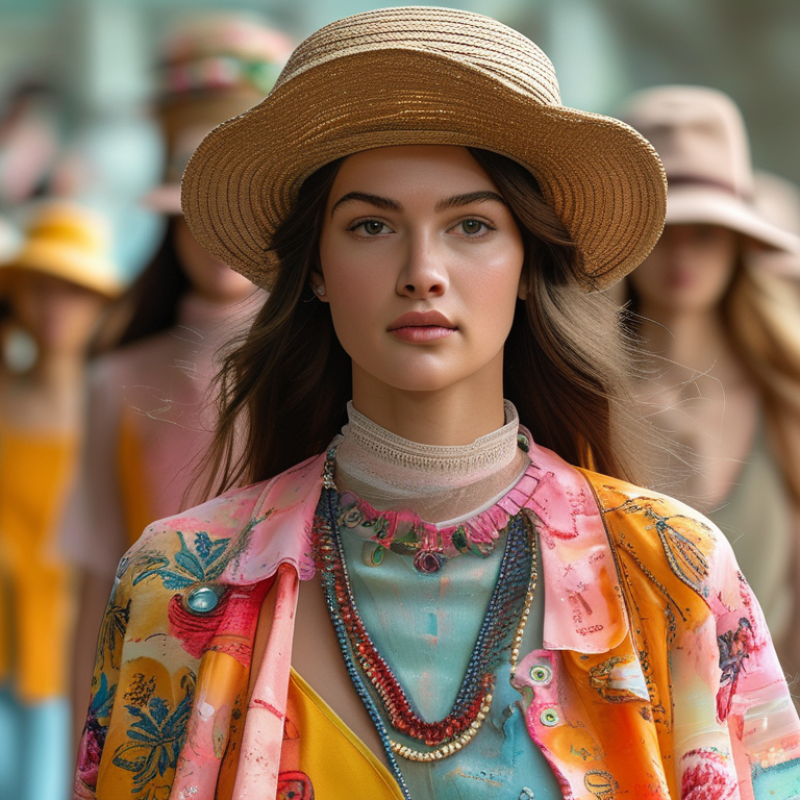
Understanding the Definition of Key Trends in Fashion
Understanding key trends in the global fashion market requires careful observation and analysis. Trends represent shifts in consumer preferences, styles, and cultural influences. These are not just fleeting moments; they reflect deeper changes in society. For example, sustainability is a significant trend now, with many consumers prioritizing eco-friendly choices.
To identify these trends, watch fashion shows, read industry reports, and follow influencers. Look for patterns in social media conversations. Analytics tools can provide insights into emerging preferences. Stay updated with cultural movements, as they often inspire fashion changes.
Tips: Engage with community discussions online. Participate in forums or social media groups focused on fashion. This can offer fresh perspectives. Additionally, attend local fashion events to observe real-time reactions to new styles. Remember, while trends can be exciting, they are often subjective. Being aware of personal biases is essential in the analysis.
Analyzing Historical Data to Spot Emerging Patterns
To effectively analyze historical data in the global fashion market, it's essential to recognize emerging patterns. Fashion trends often evolve from cultural shifts, economic changes, and technological advancements. An in-depth examination of past collections, sales records, and consumer behavior reveals significant insights. By utilizing statistical tools, brands can uncover trends that may take time to surface.
Tips: Look for repeating themes over several seasons. Note any deviations in buyer preferences. High sales of a particular style may indicate a lasting trend rather than a fleeting one.
Additionally, historical data can highlight the impact of social movements on fashion. Events like climate change awareness have shifted consumer priorities toward sustainability. Analyze data around these moments to understand the market's direction.
Tips: Pay attention to consumer feedback on social media. Patterns in customer reviews can be a goldmine for identifying shifts in taste. Explore the intersection of fashion and cultural phenomena for a clearer picture of market dynamics.
Exploring Consumer Behavior and Preferences in Fashion
Consumer behavior in fashion is constantly evolving. Today’s shoppers often seek individuality. They prefer unique pieces that reflect their personalities. In a world of mass production, this desire has led to a rise in sustainable and ethical fashion choices. Consumers are becoming more aware of the impact of their purchases. They frequently ask questions about the sources of materials and production processes.
Preferences vary significantly across demographics. Younger generations tend to value inclusivity and diversity. They appreciate brands that embrace diverse models and styles. Meanwhile, older consumers might focus more on quality and timelessness. This divergence in taste is reshaping product offerings. Brands must navigate these complexities to remain relevant.
Social media plays a pivotal role in shaping consumer preferences. Influencers often set trends, driving engagement and purchases. However, not all trends lead to lasting loyalty. A brand might gain popularity quickly but lose it just as fast. This constant shift requires careful observation of consumer sentiment. Adapting to these changes can be a challenge. It demands in-depth market analysis and genuine dialogue with consumers.
Utilizing Digital Tools and Social Media for Trend Analysis
In today's fast-paced fashion industry, utilizing digital tools and social media is essential for identifying key trends. Reports indicate that about 75% of fashion consumers engage on social media platforms. These platforms serve as powerful sources of trend insights. Leveraging user-generated content can illuminate emerging styles and preferences, directly influencing collections and marketing strategies.
A recent trend report highlighted that Instagram remains a top platform for discovering fashion trends. Many brands analyze hashtags to understand what styles are gaining traction. For instance, #sustainablefashion has surged by over 200% in usage, showing a clear shift towards eco-conscious consumerism. Social media analytics tools can help track these shifts, providing data on popular styles, colors, and fabrics.
Tips: Monitor competitor activities on social media. Conduct surveys to gather feedback from customers. Utilize platforms like Pinterest and TikTok to spot visual trends early. Being aware of micro-trends on these platforms can result in timely product launches. Fashion trend forecasting is not foolproof. Brands must remain flexible and responsive to changes in consumer preferences.
Monitoring Industry Reports and Expert Insights for Market Trends
Monitoring industry reports and expert insights is crucial for understanding key trends in the global fashion market. These reports provide in-depth analysis of current styles and consumer preferences. They consider demographics, economic factors, and sociocultural shifts. By diving into these sources, one gains valuable context about what drives the industry.
Expert insights often highlight emerging trends that might not yet be on the radar of wider audiences. Fashion consultants and analysts contribute regularly to journals and online platforms. Their observations can reveal the subtleties of market dynamics. This information is not always perfect, but it can illuminate gaps in the market.
Furthermore, social media has become an indispensable tool for tracking real-time trends. Influencers share their thoughts and styles regularly. Monitoring these voices offers a glimpse into upcoming shifts. It is important to analyze this information critically. Trends can be fleeting, and not every popular style will last. Collectively, these resources can help in making informed decisions in a fast-paced environment.
FAQS
: Historical data reveals evolving patterns driven by cultural, economic, and technological changes in fashion.
Pay attention to repeating themes across seasons and any shifts in buyer preferences over time.
Events like climate awareness have shifted consumer priorities towards sustainable fashion.
Customer reviews on social platforms can help identify shifts in tastes and preferences effectively.
They provide crucial analysis of current styles and preferences affected by various demographic factors.
Experts highlight emerging trends that might not yet be widely recognized, offering valuable market context.
Influencers share real-time styles, providing insights into upcoming shifts that may be significant.
Not every popular style will last; trends can be fleeting and may require critical evaluation.
Past data may not always reflect current consumer attitudes or market dynamics accurately.
Analyze information with caution, recognizing that market trends can change rapidly and unexpectedly.
Conclusion
In the dynamic landscape of the global fashion market, identifying key trends is crucial for stakeholders aiming to remain competitive. The first step is understanding what constitutes key trends in fashion, which involves recognizing shifts in consumer preferences and cultural influences that shape buying behaviors. By analyzing historical data, businesses can spot emerging patterns that hint at future trends.
Additionally, exploring consumer behavior through surveys and social media insights allows for a deeper understanding of what drives fashion choices today. Utilizing digital tools and monitoring industry reports will further enhance the ability to track changing dynamics. Ultimately, grasping what are the key trends in the global fashion market requires a comprehensive approach that combines data analysis, consumer insights, and industry expertise to navigate this ever-evolving sector effectively.

 SLO Fashion