As we explore the topic of "What Are The Latest Innovations In Fashion Industry," it’s clear that 2026 promises to be a groundbreaking year. Renowned fashion expert Dr. Emily Carter highlights, “Innovation in fashion is not just about the clothes; it’s about sustainability and technology.” This statement reflects the industry’s shift towards more responsible practices and smart fabrics.
Fashion is evolving rapidly, blending creativity with advanced technology. Brands are investing in eco-friendly materials to reduce their carbon footprint. Virtual fashion shows are gaining traction, allowing designers to showcase their work globally without the constraints of physical events. The integration of AI is transforming how brands analyze trends and engage with consumers. These innovations not only enhance customer experience but also present challenges that require careful consideration.
Yet, amidst these advancements, some areas need reflection. Are we losing the essence of craftsmanship? The pursuit of technology-driven designs might overshadow traditional techniques. Balancing innovation with authenticity may become essential for the future. As we navigate these changes, understanding the latest innovations in the fashion industry remains crucial for industry professionals and consumers alike.
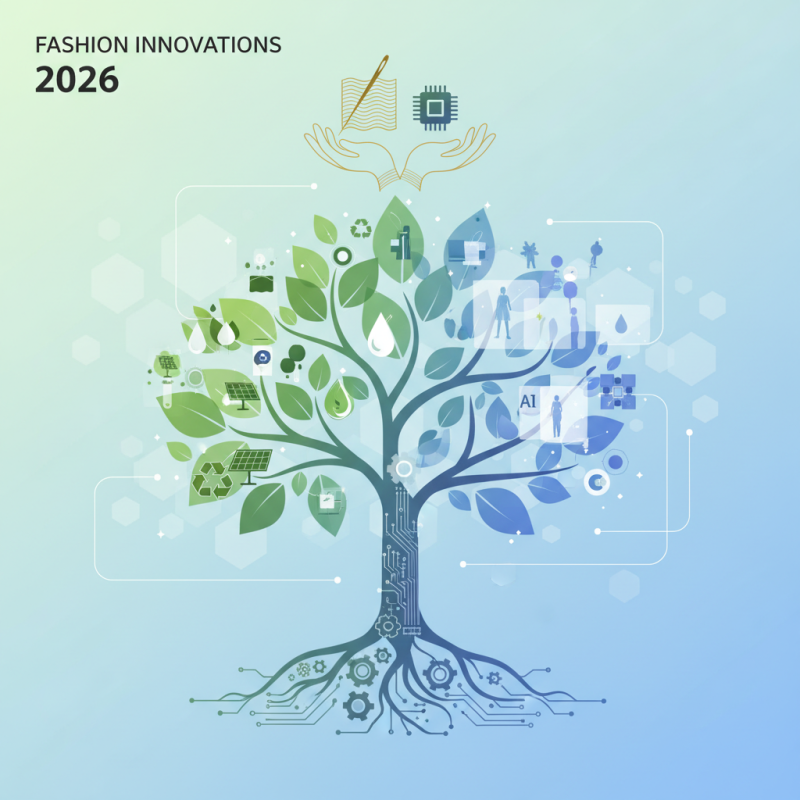
The fashion industry is undergoing a radical transformation in 2026. Latest technological innovations are reshaping design processes and consumer engagement. According to a recent report from McKinsey, nearly 70% of fashion brands are investing heavily in artificial intelligence and machine learning technologies. These tools analyze trends and predict consumer behavior with remarkable accuracy.
Sustainability is a buzzword in 2026. 55% of consumers want eco-friendly materials in their clothing. Innovative materials, such as lab-grown textiles, are emerging from research labs. Virtual fitting rooms powered by augmented reality allow customers to try on outfits from the comfort of their homes. Such technological advances cut down waste and improve shopping efficiency.
However, challenges persist. There’s a pressing need for education about new technologies. Many designers still struggle to integrate these advancements into their work effectively. Reports suggest that 40% of smaller brands have reservations about adopting AI due to cost and expertise barriers. Balancing innovation with traditional craftsmanship remains a delicate task. The industry must reflect on these issues to move forward.
Sustainable practices are reshaping the fashion landscape in 2026. As consumers become more eco-conscious, the industry is responding with innovative materials. Organic cotton, recycled polyester, and plant-based dyes are gaining traction. These materials reduce environmental impact while maintaining quality. The push for sustainability drives many brands to rethink their sourcing and production processes.
Innovators are exploring alternatives, using banana fibers, hemp, and even food waste. These materials are not only sustainable but also intriguing in design. However, challenges remain. Sourcing eco-friendly materials can be complicated and costly. Many designers face pressure to balance sustainability with profitability.
Even with advancements, not every recycled garment is perfect. Clothes can sometimes lack durability or comfort. Consumers might feel conflicted about their choices. It raises questions about what it means to be sustainable in fashion. The journey towards a greener industry showcases both progress and imperfections, inviting discussions on continuous improvement.
The fashion industry is rapidly evolving with the integration of AI and automation. These technologies are transforming production processes and retail management. With AI, designers can analyze trends faster than ever. Automation reduces labor costs and increases efficiency in manufacturing. This allows brands to bring new collections to market swiftly.
Tips: Embrace change. Stay updated with these innovations. It's crucial for survival in this competitive landscape.
Despite these benefits, there are challenges to consider. Over-reliance on automation may affect creativity. Some argue that it diminishes the human touch in fashion. Balancing technology with artistry is a continuous struggle. Brands must reflect on their approach regularly to maintain authenticity.
Tips: Think critically about technology’s role. Evaluate how it fits with your brand’s identity. Engage with your audience for feedback.
| Innovation Type | Description | Impact on Production | Impact on Retail | Year Implemented |
|---|---|---|---|---|
| AI Design Tools | AI-powered software assists designers in creating patterns and predicting trends. | Increased speed and efficiency in design processes. | Enhanced personalization and customer engagement. | 2026 |
| Automated Production Lines | Implementation of robotics in garment production to reduce labor costs. | Lower production costs and increased output. | Streamlined inventory management. | 2025 |
| Virtual Fitting Rooms | Technology that allows customers to try on clothes virtually. | Reduced return rates due to better fitting. | Increased online sales through better customer experience. | 2024 |
| Smart Clothing | Garments embedded with sensors to provide real-time data. | Innovative manufacturing processes needed for integrated tech. | New merchandising strategies directed towards tech-savvy consumers. | 2026 |
The fashion industry is seeing a seismic shift toward personalization and digital experiences. Consumers now crave unique styles that express individuality. Brands are adapting by offering customized options. This trend is not just a fleeting phase; it reflects changing consumer expectations.
With advancements in technology, virtual fitting rooms and augmented reality are becoming commonplace. Shoppers can visualize clothing on themselves without trying them on. This enhances convenience and reduces returns. It's important to remember that while technology aids, it can never fully replace the tactile experience of fabric and fit.
Tips for navigating this evolving landscape:
The fashion industry is undergoing a revolution driven by virtual reality (VR) and augmented reality (AR). These technologies create immersive experiences. According to a recent report by TechCrunch, 70% of consumers feel more engaged with brands that use AR. This engagement shifts how clothing is marketed.
In 2026, AR virtual fitting rooms will shape shopping behavior. Users try on clothes digitally, reducing return rates by up to 30%. Imagine walking into your living room. You put on AR glasses and see yourself in a new outfit. This convinces shoppers before they make a purchase. However, not all users are satisfied. Some complain about realism. The technology still needs improvement to enhance user experience.
VR provides unique fashion shows accessible from home. In 2026, over 50% of major fashion events could be online. This makes fashion more inclusive and reduces environmental impact. Yet, while these innovations may attract attention, they also raise questions about authenticity and personal touch in fashion marketing. Balancing technology and human connection will be crucial for the industry's future.
: Technology is reshaping design processes and consumer engagement. AI and machine learning analyze trends effectively.
Many consumers prefer eco-friendly materials. Lab-grown textiles are gaining popularity due to sustainability concerns.
They allow customers to try on outfits at home. This reduces waste and enhances shopping efficiency.
Many struggle to integrate advancements. Some lack education on using these technologies effectively.
Yes, AI helps analyze trends rapidly. Automation lowers labor costs and speeds up manufacturing processes.
Over-reliance on automation may harm creativity. It can diminish the human touch in design.
Personalization is vital. Consumers seek unique styles that showcase their individuality.
No, technology aids convenience but cannot fully replicate the tactile experience of fabric and fit.
Look for brands offering customization. Embrace personal expression, even in simple garments.
Balancing technology with artistry is crucial. Brands must reflect on their identity and audience regularly.
In 2026, the fashion industry is undergoing a remarkable transformation driven by numerous technological advancements and sustainable practices. What are the latest innovations in the fashion industry? Notably, eco-friendly materials are at the forefront, revolutionizing design and production processes. The integration of artificial intelligence and automation is streamlining manufacturing and retail, enhancing efficiency and responsiveness to consumer demands.
Moreover, consumer trends are shifting towards greater personalization, with digital fashion experiences becoming increasingly popular. Virtual reality and augmented reality technologies are shaping innovative marketing strategies, allowing brands to engage with consumers in immersive ways. Collectively, these developments highlight a future where innovation, sustainability, and consumer-centric experiences coexist, marking a significant evolution in the fashion landscape.
