Refreshing your wardrobe doesn't have to be a financial burden. In recent years, the fashion industry has seen a growing movement towards sustainable and budget-friendly shopping. According to a report by GlobalData, over 60% of consumers express a desire for more cost-effective clothing options. This shift highlights a significant trend: many people are seeking ways to acquire stylish items without overspending.
When exploring "How To Upgrade Your Wardrobe On A Budget," it's crucial to understand the value of smart shopping. Thrift stores, online resale platforms, and seasonal sales are gaining popularity. In fact, a study by McKinsey & Company indicates that second-hand fashion could double in value by 2025. Creative thinking is necessary when choosing to revamp your closet. It's about prioritizing quality and versatility over quantity.
Indeed, this journey often involves trial and error. You may find that not every piece fits perfectly or fits your style. Embracing imperfection can lead to discovering unique items that truly reflect your personality. Balancing affordability with quality can transform your wardrobe while keeping your finances in check.
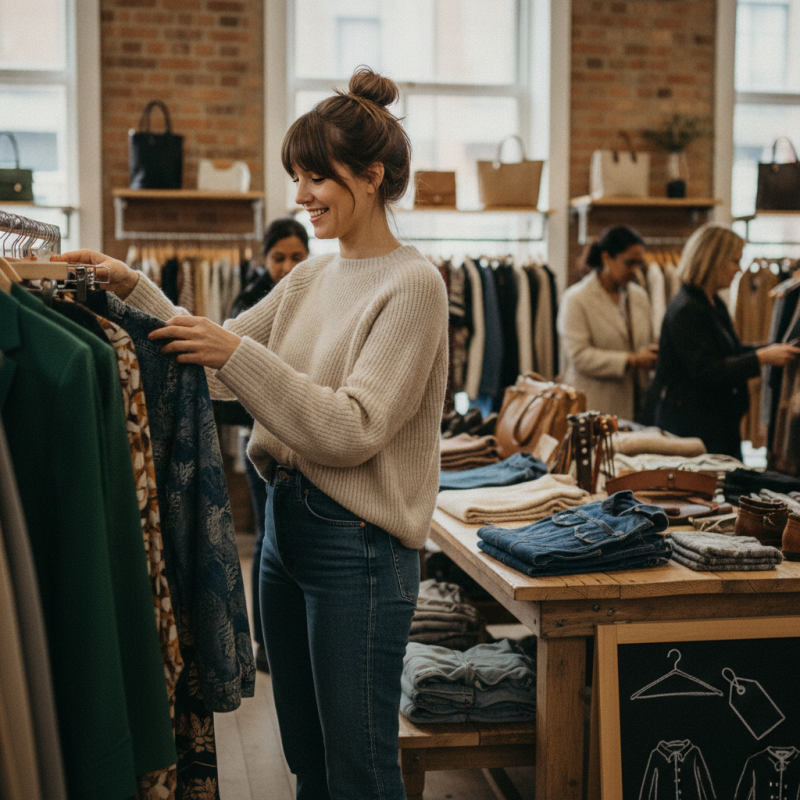
A versatile wardrobe is essential for both style and budget. Research shows that 70% of people wear only 20% of their clothing regularly. This statistic highlights a common issue: wasted space and money. Many individuals find themselves repeatedly purchasing similar items, leading to closet clutter instead of a cohesive style.
A well-planned wardrobe can save money. According to a survey by the Fashion Institute of Technology, a versatile wardrobe can reduce overall clothing costs by up to 40%. This is achieved by focusing on quality pieces that mix and match seamlessly. By investing in key staples, you can create multiple outfits without the need for constant shopping.
However, it's important to reflect on personal style. Many people stick with trends, even if they don't resonate. This can lead to regretful purchases. Embracing individual preferences and prioritizing comfort can transform your shopping habits. Adopting a minimalist approach empowers you to curate a collection that truly reflects your authentic self.
Refreshing your wardrobe starts with a careful evaluation of what you already own. The 80/20 rule in fashion suggests that 80% of the time, you wear just 20% of your clothes. This insight can help identify the pieces that truly matter. An analysis by the fashion platform House of Color found that most individuals wear only a fraction of their wardrobes. This leaves a significant amount of clothing untouched and usually forgotten.
Begin by assessing your current items. Arrange your clothes into categories like daily wear, work attire, and special occasions. Take note of what you reach for most. Consider donating or selling the pieces you haven’t worn in the past year. According to McKinsey & Company, around 85% of textiles go to the dump each year. With mindful curation, you not only declutter but also refresh your style.
Investing in versatile essentials should be your next step. Basic items can be mixed and matched for different looks. The fashion industry emphasizes the importance of versatility and quality over quantity. However, some may find it challenging to let go of pieces tied to memories. Reflect on whether these items serve a purpose in your life today. Embracing this mindset can lead to a more functional and stylish wardrobe without undue financial strain.
When it comes to refreshing your wardrobe, thrift stores and fast fashion offer distinct approaches. Thrift stores provide a treasure hunt experience. Each visit can surprise you with unique finds. You might discover vintage pieces that tell a story. The thrill of scoring an exceptional item at a fraction of the original price is unmatched. However, this method requires patience. It’s common to sift through less desirable items before finding something special.
On the other hand, fast fashion delivers trendy clothing quickly and cheaply. The latest styles can be tempting. You can easily update your wardrobe with current trends. Yet, the impact on the environment is significant. Many fast fashion items are made from low-quality materials. They can wear out quickly, leading to more waste. It's vital to reflect on the longevity of your purchases.
Making conscious choices is essential. How often do we wear that trendy top? Often, it ends up forgotten at the back of our closet. Balancing thrift store shopping with sustainable fashion is key. Think critically about what you truly need. This way, your wardrobe remains fresh, your budget intact, and the planet happier.
Refreshing your wardrobe doesn’t have to cost a fortune. Investing in essential wardrobe basics can elevate any outfit. Choose timeless staples that never go out of style. A well-fitted white shirt is a must. It can be dressed up or down, making it versatile for various occasions. Pair it with dark jeans for a casual look or with tailored trousers for a more polished appearance.
Another key piece is a classic blazer. This adds sophistication to any outfit. You can wear it over a simple tee for a smart-casual vibe. A good pair of black trousers is also essential. They provide a foundation for countless outfits, whether for work or leisure. Look for a pair that fits well and flatters your body shape.
It's important to reflect on your wardrobe choices. Often, we hold on to trendy pieces that may not serve us well in the long run. Evaluate what you wear regularly and what collects dust. Embrace the idea of ‘less is more’. Quality over quantity should guide your choices. Investing in timeless basics means less clutter and greater flexibility in your outfits.
This bar chart illustrates the average costs of essential wardrobe staples that you can refresh your collection with while keeping your budget in mind. Familiarizing yourself with these basics can help you make informed and budget-friendly choices.
Refreshing your wardrobe doesn't have to drain your wallet. Many individuals seek affordable ways to elevate their style. The recent global fashion report noted that 53% of millennials are prioritizing sustainability in their fashion choices. This shift encourages DIY clothing upgrades. It's a practical way to save money and reduce waste.
Consider customizing old garments. Adding patches, embroidery, or even dye can transform a basic piece into a standout item. Research shows that upcycling can reduce clothing waste by up to 60%. This not only helps the planet but can make your wardrobe feel unique. Remember, imperfections in your projects add character. Every stitch tells a story.
Thrift shopping is another excellent option. Studies indicate that nearly 60% of Gen Z shoppers prefer thrifted items over new ones. This trend highlights a growing awareness of sustainability in fashion. When you shop second-hand, you're not just saving money; you're participating in a larger movement. Embrace the process. Reflect on what each piece represents to you, and enjoy the journey of creating your own style narrative.
| DIY Upgrade Idea | Estimated Cost | Time Required | Sustainability Impact |
|---|---|---|---|
| Repainting Shoes | $10 | 1 hour | Reduces waste, repurposes materials |
| DIY T-shirt Designs | $15 | 2 hours | Encourages creativity and reuses fabric |
| Adding Embellishments to Jackets | $12 | 1.5 hours | Gives old jackets new life |
| Patch Up Holes in Jeans | $5 | 30 minutes | Extends lifecycle of clothing |
| Transforming Old Scarves into Bags | $8 | 45 minutes | Promotes upcycling |
: Begin by evaluating what you currently own. Sort your clothes into categories.
The 80/20 rule suggests you wear 20% of your clothes 80% of the time.
Consider donating or selling those pieces. They likely no longer serve you.
Timeless staples like a well-fitted white shirt and classic blazer are crucial.
Versatile items can be mixed for different looks, promoting a more functional wardrobe.
Reflect on what you regularly wear versus what sits unused. Choose quality items.
Yes, investing in basics can elevate outfits without overspending.
Evaluate their usefulness. They may not last in your wardrobe long-term.
Embrace 'less is more' by focusing on quality pieces that work for you.
Yes, it can be challenging. Reflect on their current purpose in your life.
In "How To Refresh Your Wardrobe Without Breaking The Bank," the focus is on enhancing your fashion sense without overspending. Understanding the importance of a versatile wardrobe is emphasized, supported by key statistics that highlight how a few essential pieces can be combined to create numerous outfits. The article introduces the 80/20 rule, suggesting that most of your style arises from just a fraction of your wardrobe, prompting readers to evaluate what they truly need.
Cost-effective shopping strategies are explored, contrasting thrift stores with fast fashion, where the former provides unique finds at lower prices. Essential wardrobe basics that withstand trends are identified, ensuring longevity in your collection. Furthermore, practical tips for DIY clothing upgrades promote sustainability and demonstrate how to upgrade your wardrobe on a budget, encouraging creativity and personal style without financial strain.
