In today's fast-paced world, caring for our clothing is essential for longevity. Renowned textile expert Dr. Emily Carter emphasizes, “Proper maintenance extends the life of your clothes.” Many overlook the significance of maintaining clothing.
Understanding "How To Maintain Clothing For Long Lasting Use" begins with simple practices, such as washing and drying techniques. For instance, always read care labels and wash items in cold water. This preserves colors and prevents fabric damage.
Additionally, storing clothes properly can make a difference. Avoid overcrowding closets, as this can lead to wrinkles and wear. Hang delicate items, and fold heavier garments. Small changes can lead to better results over time. Reflecting on our habits can reveal areas for improvement. Choosing quality over quantity also promotes sustainability in fashion. By implementing these maintenance techniques, we can enjoy our beloved pieces longer while contributing to a more responsible fashion industry.
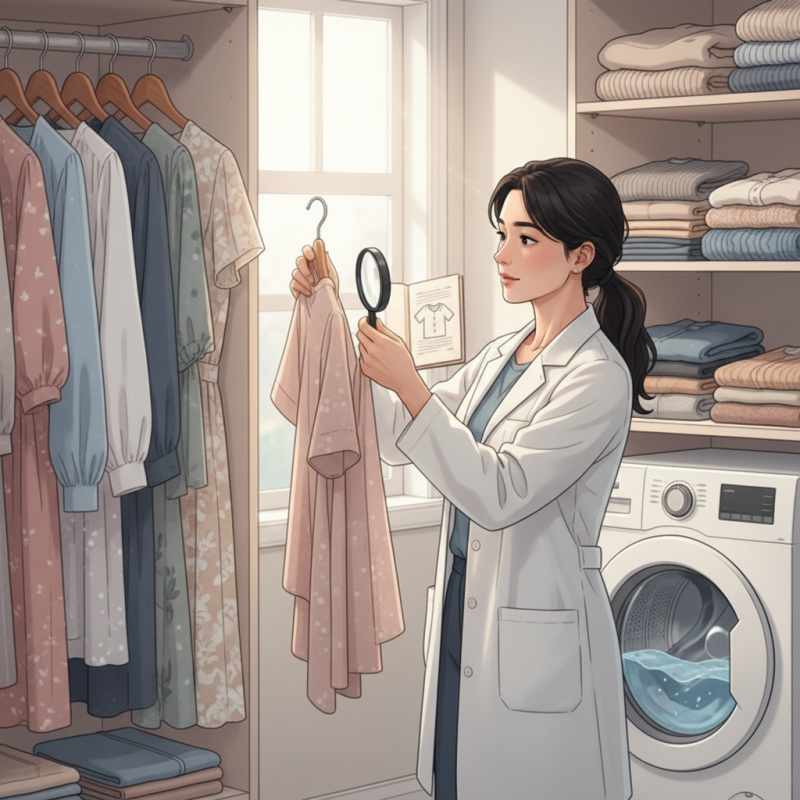
Understanding Fabric Types and Care Requirements
Understanding fabric types is essential for long-lasting clothing care. Different fabrics require unique handling. For instance, cotton is breathable and durable, but it can shrink if washed in hot water. Always check labels for specific care instructions. Some fabrics, like silk, demand extra attention. Hand washing or dry cleaning is usually recommended.
Another factor to consider is the impact of environmental elements. UV rays can fade colors over time. Storing clothes in a dark, cool place can help. Similarly, moisture can lead to mildew. Use breathable garment bags to protect delicate items. Proper ventilation is key when storing clothes.
It's easy to overlook simple tasks. Regularly cleaning the washing machine ensures clothes are less damaged. Using the right detergent also matters. Avoid using too much, as it can leave residue. Sometimes, despite all efforts, wear and tear occur. Learning from these experiences helps improve future care practices.
Essential Washing Techniques for Different Garments
Washing different garments requires specific techniques to maintain their quality. Cotton, for instance, can withstand more aggressive treatment. It is best washed in warm water. This helps to remove dirt effectively without damaging fibers. However, over-washing can lead to color fading, so aim for less frequent washes.
Delicate fabrics, like silk and lace, necessitate extra care. Hand washing is often the safest choice. Use a gentle detergent and cool water. Avoid wringing them out; instead, press out the water gently. Always dry in the shade. Sunlight can cause irreversible fading.
Here are some tips: Keep like colors together. This prevents dye transfer. For items that tend to pill, turn them inside out before washing. It mitigates friction against other clothes. Lastly, don’t overload the washing machine. This leads to inadequate cleaning and increased wear on your garments.
Essential Washing Techniques for Different Garments
Proper Drying Methods to Preserve Clothing Integrity
Drying your clothes properly is crucial for their longevity. Hang drying is often best. Use a shaded area; direct sunlight can fade colors over time. When you hang garments, ensure they are evenly spaced. This prevents moisture from being trapped, which can lead to mildew.
If you prefer using a dryer, choose a low heat setting. High heat can shrink fabrics and weaken fibers. It’s beneficial to separate heavier items from lighter ones, allowing for more even drying. Remember to check your dryer’s lint trap regularly. A clean filter improves efficiency and reduces fire hazards.
Be cautious with delicate fabrics. Consider air drying them flat. This technique helps retain their shape and prevents stretching. Avoid wringing out clothes; it can distort their structure. Always check care labels. While it may feel tedious, it’s a step that ensures longer-lasting wear. Taking these drying methods seriously can transform your garment care routine.
Storage Best Practices for Seasonal Wardrobe Items
Proper storage practices are essential for maintaining your seasonal wardrobe items. According to a report from the Textile Institute, improper storage can lead to a 25% decrease in clothing lifespan. To extend the life of your garments, consider the following tips.
Firstly, keep seasonal clothes clean. Dirt and oils can attract pests. Launder items before storing them, using mild detergent. This will help prevent damage and odors over time. Always store items in breathable containers. Plastic bins can trap moisture, leading to mildew. Opt for cotton or canvas bags to allow airflow.
Temperature and humidity also play a crucial role. The optimal storage temperature is around 65°F with 50% humidity. Too much humidity can cause fabric mold. Use silica gel packs in storage to absorb moisture. Rotate your wardrobe seasonally, bringing items in and out regularly. This practice not only refreshes your closet but helps you identify pieces that need care or repair.
Reflect on how often you access these items. If a piece hasn’t been worn in years, consider its value. Are you keeping it out of habit? Making space can be just as beneficial as preserving garments. Being intentional with your storage practices leads to a more organized and efficient wardrobe.
Regular Maintenance: Repairing and Refreshing Your Clothing
Taking good care of clothing extends its life. Regular maintenance is key. Repairing small damages prevents them from becoming bigger issues later. A quick stitch can save a favorite shirt. Learning basic sewing skills can empower you.
Refreshing your clothes is just as important. Washing them correctly keeps colors bright. Use cold water and gentle cycles to protect fabrics. Avoid overloading the machine; it leads to wear and tear. A fabric refresher spray can also revive clothes between washes.
Remember, not everything is perfect. Stains happen, and some might seem permanent. Learning proper stain removal techniques can be helpful. Some clothes may fray or fade over time. Embrace these imperfections; they tell a story. Reflecting on your clothing's journey can lead to more mindful choices in the future.
FAQS
: Warm water is ideal for washing cotton. It removes dirt effectively without damaging fibers.
Hand wash silk with gentle detergent and cool water. Avoid wringing; gently press out water instead.
Washing like colors prevents dye transfer, which can ruin lighter fabrics.
Overloading leads to inadequate cleaning and increased wear on your garments. It’s best to wash in smaller loads.
Hang drying in a shaded area is best. Direct sunlight can fade colors over time.
A low heat setting is recommended. High heat can shrink fabrics and weaken fibers.
Consider air drying delicate fabrics flat. This retains shape and prevents stretching.
Aim for 65°F with 50% humidity. Too much humidity causes fabric mold.
Dirt attracts pests. Always clean clothes before storing to prevent damage and odors.
Consider if you truly value the item. If unused for years, it may be time to let it go.
Conclusion
Maintaining clothing for long lasting use involves several essential practices that cater to different fabric types and their care requirements. Understanding the specific needs of various materials is crucial, as it dictates the appropriate washing techniques one should employ. For example, delicate fabrics may require gentler cycles, while sturdy materials can withstand more rigorous cleaning.
Proper drying methods are equally important, as they help preserve the integrity of garments and prevent damage caused by excess heat or moisture. Additionally, following best practices for storing seasonal items ensures that your wardrobe remains organized and protected from wear. Regular maintenance, such as repairing minor damages and refreshing clothes through simple cleaning solutions, can significantly extend the life of your apparel. By implementing these tips, you can effectively learn how to maintain clothing for long lasting use and enjoy your favorite pieces for years to come.

 SLO Fashion