In today's rapidly evolving fashion landscape, understanding the trends in China is essential. Many ask, "What Are The Most Popular Fashion Styles Today?" This question reflects a growing curiosity about Chinese fashion. With a blend of tradition and modernity, styles here are diverse and vibrant.
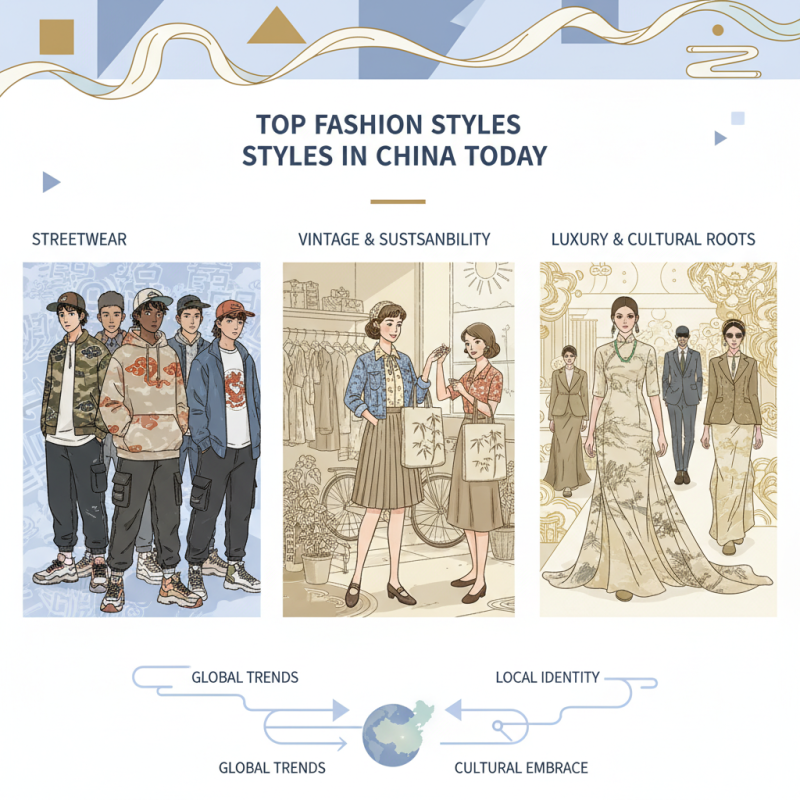
Streetwear has taken center stage. Young people favor brands that combine comfort with unique designs. Influences from Western styles mix seamlessly with local aesthetics. Vintage and retro trends are also gaining traction. Consumers are increasingly interested in sustainability, leading to a rise in second-hand shopping.
At the same time, luxury brands remain influential. High-end fashion shows drive trends, showcasing opulence and craftsmanship. Yet, there’s a tension between global trends and local identity. As styles evolve, embracing cultural roots becomes crucial. The fashion scene in China is not just about trends; it reflects a dynamic society. Understanding these styles offers insight into the future of global fashion.
Chinese street fashion is constantly evolving. Young people in urban areas express individuality through unique styles. Bold colors and layered outfits are popular. Many mix vintage pieces with modern designs, showcasing their creativity.
Streetwear often features oversized silhouettes and graphic tees. Bright accessories add flair, giving outfits a personal touch. Sneakers are a staple, blurring gender lines in fashion. However, trends can sometimes feel repetitive. Some opt for niche styles, standing out in a crowd.
Social media influences these choices significantly. Platforms like Weibo and Xiaohongshu highlight emerging trends. Yet, this rapid influence can lead to a loss of personal style. Fitting in often overshadows authenticity, making it a challenge for many. It's important to reflect and find what truly resonates personally.
Traditional Chinese influences permeate modern fashion, creating a unique blend of heritage and contemporary style. One key element is the use of traditional patterns, like dragon and phoenix motifs. These symbols carry rich meanings, representing power and auspiciousness. Designers often incorporate these into fabrics, infusing modern silhouettes with historical significance.
Silhouettes inspired by traditional garments, such as the qipao, are also gaining popularity. The qipao, with its form-fitting style and high collar, showcases elegance. Many brands experiment with these shapes, adding modern twists. However, the challenge lies in balancing respect for tradition with innovative design. Some creations may overlook cultural significance, prompting reflection on authenticity in fashion.
Colors play a vital role too. Rich reds, deep blues, and golds echo classic Chinese aesthetics. These shades not only enhance visual appeal but also evoke emotional connections. Observers sometimes question the depth of these representations. Is it merely aesthetics, or do they honor their roots? This duality sparks conversations among fashion enthusiasts.
Sustainable fashion is gaining traction in China. This movement emphasizes eco-friendly practices. Designers are now focusing on using organic materials. They aim to reduce waste and pollution. The rise of circular fashion is notable. Brands encourage recycling and upcycling old garments.
Tips for embracing sustainable fashion: Start with your wardrobe. Evaluate what you truly need. Donate clothes that no longer spark joy. Explore second-hand stores for unique finds. This not only reduces waste but also promotes creativity.
Another aspect is local craftsmanship. Many artisans are reviving traditional techniques. These methods often use natural dyes and sustainable materials. Supporting local makers can be a responsible choice. It helps preserve cultural heritage while minimizing environmental impact. Reflecting on your purchases can lead to conscious choices. Consider the lifecycle of your clothing before buying.
| Fashion Style | Description | Sustainability Focus | Key Trends |
|---|---|---|---|
| Minimalist Style | Focus on simplicity and functionality with a clean aesthetic. | Use of organic fabrics and reduction of waste. | Neutral colors, versatile pieces, multi-functional clothing. |
| Streetwear | Casual and stylish clothing inspired by urban culture. | Recycling materials and ethical sourcing. | Graphic tees, oversized silhouettes, unique accessories. |
| Eco-Friendly Fashion | Clothing made from environmentally friendly materials. | Biodegradable and sustainable sourcing. | Natural dyes, upcycled textiles, sustainable practices. |
| Traditional Revival | Incorporation of traditional Chinese elements into modern fashion. | Promoting local craftsmanship and cultural heritage. | Hanfu-inspired designs, motifs from Chinese history. |
| Athleisure | Blend of athletic and leisure wear for comfort and style. | Use of recycled and technical fabrics. | Yoga pants, stylish sneakers, functional outerwear. |
The Chinese fashion scene has evolved rapidly. Many designers are pushing boundaries. Their unique styles reflect contemporary culture. They blend tradition with modern elements, creating striking visuals.
One prominent figure is a designer who emphasizes sustainability. Their collections showcase eco-friendly materials. This approach resonates with younger consumers. They are eager to embrace responsible fashion choices. However, it raises questions about accessibility and cost. Not every brand follows this path, leaving a gap in the market.
Another notable designer focuses on gender fluidity. Their garments are meant for anyone, regardless of gender. This approach challenges norms. Yet, some may find it confusing. As fashion evolves, it becomes essential to find a balance. Designers face the pressure to innovate, all while addressing societal expectations. The landscape is dynamic, offering both promise and challenges.
Fashion in China is a tapestry of regional styles. Each area boasts unique influences, often reflecting local culture and history. For instance, in Shanghai, vibrant streetwear captures the city's modern vibe. Urban youth showcase bold colors and eclectic patterns.
Contrastingly, Beijing tends to favor classical styles with a contemporary twist. Simple silhouettes often incorporate traditional elements, highlighting the city's rich heritage.
In the southern regions, such as Guangdong, fashion leans toward comfort. Loose-fitting garments in natural fabrics are popular. These styles are ideal for the warm and humid climate. Meanwhile, in the northwest, particularly in Xinjiang, traditional ethnic garments are prominent. Intricate embroidery and bright colors symbolize cultural pride.
However, this rich diversity can sometimes lead to confusion. With so many styles, consumers may find it challenging to define their personal fashion identity.
Addressing this lack of clarity can be a journey. Exploring various regional styles can reshape perceptions and foster appreciation for diversity. It encourages individuals to draw inspiration while navigating their unique fashion paths. Fashion in China is not just a trend; it’s a reflection of the rich cultural mosaic across its vast regions.
: Young people emphasize individuality through unique styles. Bold colors and layered outfits are very popular.
Bright accessories add flair to outfits. They give a personal touch to individual styles and enhance visuals.
Social media platforms highlight emerging trends. However, this rapid influence can overshadow personal authenticity.
Yes, traditional patterns like dragon and phoenix motifs are popular. They add historical significance to contemporary styles.
Silhouettes like the qipao showcase elegance. They blend heritage with modern design, creating unique fashion pieces.
Rich reds, deep blues, and golds enhance visual appeal. These colors evoke emotional connections to traditional aesthetics.
Balancing respect for tradition with innovation is tough. Some designs may overlook cultural significance, raising questions about authenticity.
Trends can feel repetitive, making individuals search for niche styles. They want to stand out but also fit in.
Many reflect on their personal style versus fitting in. It's a challenge to find what genuinely resonates with them.
Yes, observers often question if colors honor their roots. This sparks discussions about depth in modern fashion representations.
In today's rapidly evolving fashion landscape, one may wonder, "What Are The Most Popular Fashion Styles Today" in China? Current trends in Chinese street fashion showcase a vibrant mix of urban aesthetics, where individuality and self-expression thrive. Influenced by traditional Chinese elements, modern styles often incorporate historical fabrics and silhouettes alongside contemporary design, creating a unique fusion that appeals to a wide audience.
Moreover, the rise of sustainable fashion movements is reshaping consumer habits, with an increasing emphasis on eco-friendly materials and ethical practices. Popular fashion designers in China are at the forefront, pushing boundaries and setting trends that reflect regional variations, as different areas embrace their local culture while also engaging with global fashion dialogues. This dynamic scene illustrates the rich tapestry of influences that define contemporary Chinese fashion.
