Explore our curated selection of high-demand baby garments designed to meet the strict compliance requirements of the Southern African Customs Union (SACU), North America, and European Union markets.
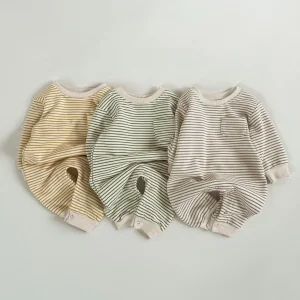
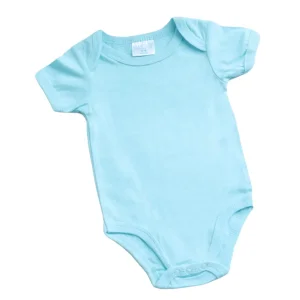
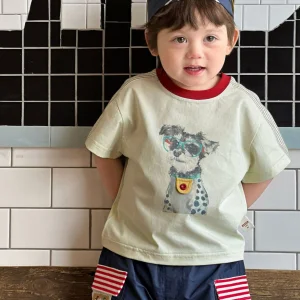
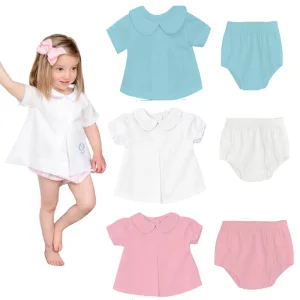
In the competitive landscape of global textile sourcing, the **Lesotho market** has established itself as an indispensable powerhouse for apparel manufacturing, particularly for the Southern African and US markets. Leveraging key unilateral trade preferences such as the **African Growth and Opportunity Act (AGOA)**, Lesotho allows baby apparel brands to export duty-free directly to key Western retail chains. However, as international standards demand more complex compliance, organic fabrications, and hyper-rapid turnaround times, the local industry has increasingly relied on strategic alliances with technology-forward partners in China.
For global buyers, procurement is no longer just about searching for the cheapest labor rates. The modern paradigm centers on **information gain**—understanding the exact balance of trade rules, logistical routes through the Port of Durban, compliance frameworks like OEKO-TEX Standard 100, and how advanced factory infrastructures can slash lead times from months to weeks. This report highlights how **Shenzhen SLO Fashion Co., Ltd.** bridges the gap between regional African trade advantages and Chinese high-efficiency manufacturing systems.
**Shenzhen SLO Fashion Co., Ltd.** was founded in 2004 and is located in Shenzhen City, Guangdong Province, China. Our deep manufacturing heritage extends back to our parent company, which was established in the historic textile hub of Hangzhou in 1990. To accommodate rapid business expansion and modern export demands, the SLO state-of-the-art facility was established in Shenzhen shortly after.
Today, our specialized Shenzhen facility spans over **35,000 square meters**, hosting a fully integrated modern production ecosystem. This includes our advanced smart workshop floors, premium dormitories, and employee recreation areas. Across our combined facilities, we employ over **300 highly trained staff members** and produce more than **50,000 high-fashion and baby garments per month**.
As a dedicated Original Design Manufacturer (ODM) for over **25 years**, our core value lies in providing a vertically integrated sourcing solution under one roof. We design, prototype, manufacture, and ship quality garments for leading global brands in the USA, Europe, and Southern Africa.
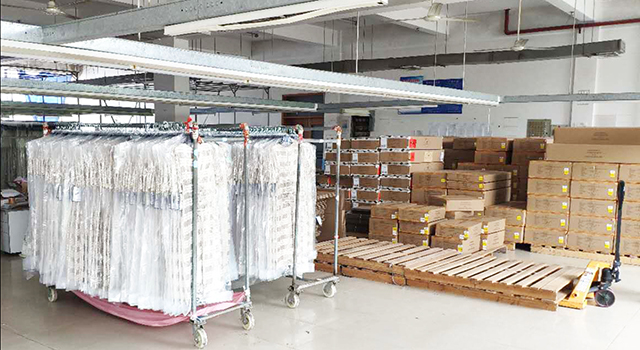
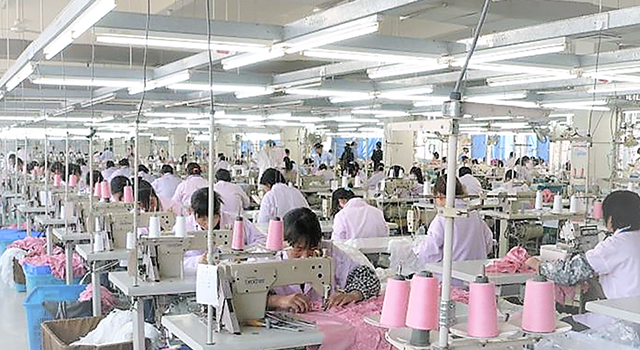
To maintain our status as an industry leader, SLO has invested heavily in cutting-edge, innovative machinery sourced from global textile engineering hubs. Our precision manufacturing workflow utilizes:
Understanding the Lesotho garment industry requires a focus on two key industrial zones: **Maseru** (the capital) and **Maputsoe**. Historically, these hubs have attracted substantial foreign direct investment (FDI) from East Asian textile giants. This has transformed Lesotho into one of Sub-Saharan Africa's largest exporters of knit garments to the United States.
The bedrock of this success is **AGOA (African Growth and Opportunity Act)**, which features a critical "third-country fabric provision." This allows Lesotho factories to source yarns and fabrics from third-party nations (such as China), assemble the final garments in Lesotho, and still qualify for duty-free access to the US market. However, local mills face persistent challenges, including:
| Infrastructure Facet | Lesotho Local Mills Status | SLO China Integrated Advantage |
|---|---|---|
| Raw Material Supply | Limited local knit production; highly dependent on imported yarn. | Direct, upstream integration with Hangzhou/Shenzhen fabric development networks. |
| Cutting Precision | Largely manual or semi-automated heavy-ply cutting tables. | Precision Italian PGM automatic computer cutting with zero-deviation margins. |
| Stitch Compliance | Susceptible to needle breaks and tension irregularities. | Automated sensor sewing with dual-stage metal detection systems. |
| Logistical Turnaround | Relies on transit to the Port of Durban, subject to landlocked delays. | Direct air/sea routes via Shenzhen/Hong Kong ports, with rapid customs clearance. |
The global baby apparel market is witnessing a major shift toward high-performance, eco-friendly fabrics. Modern parents and major retail chains demand skin-friendly materials, bringing **organic bamboo rayon** and **100% long-staple combed cotton** to the forefront of brand sourcing strategies.
Bamboo fiber is highly valued for its natural hypoallergenic properties, thermo-regulating capabilities, and sustainable growing cycle. Producing these delicate knit fabrics requires sophisticated machinery to prevent issues like pilling, seam distortion, or color migration.
Beyond fabric choice, **safety is paramount** in infant apparel manufacturing. Global standards, such as the US CPSIA and European EN 14682, enforce strict regulations on:
Our management philosophy is rooted in two core principles: “Technology Elevated” and “People-Oriented”. We combine state-of-the-art manufacturing facilities, expert management teams, and solid financial stability to deliver exceptional results.
We adhere strictly to the principles of "perfect quality" and "good reputation." Drawing on our three decades of heritage in quality and reliability, SLO is a trusted partner for global brands.
We are dedicated to fostering a safe, healthy, and supportive workplace, where everyone at SLO is treated like family. We focus on nurturing our employees' talent, matching them to the right roles, supporting their career growth, and providing the tools and training they need to succeed.
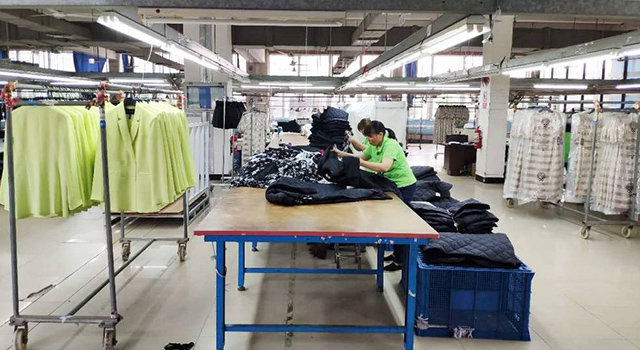
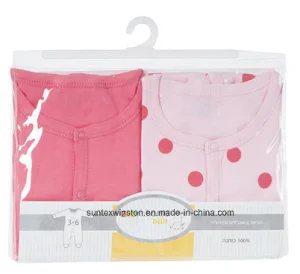
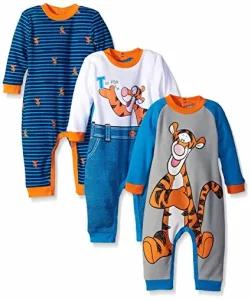
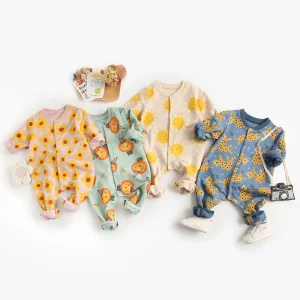
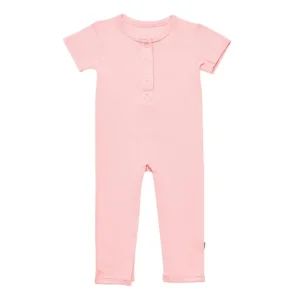
Browse our comprehensive catalog of infant, baby, and toddler wear, manufactured under strict quality controls to meet international safety and retail compliance standards.
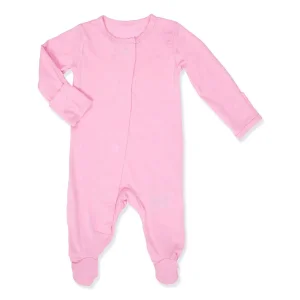
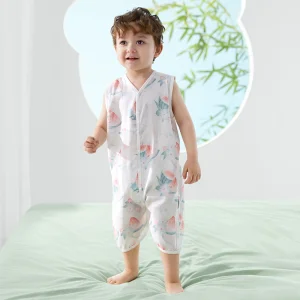

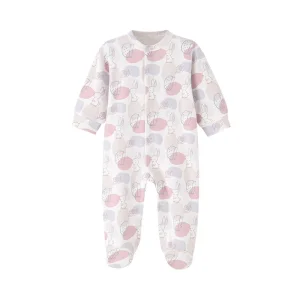
Global brand buyers often face a dilemma: choose the tariff-free benefits of Lesotho or the speed, fabric choices, and technical expertise of Chinese factories. Today’s top brands resolve this by using a hybrid model:
R&D, custom fabric development, complex print setup, and rapid initial production runs are handled by specialized Chinese facilities like SLO in Shenzhen. Once styling and volume sales are established, production can transition to Lesotho partners to utilize AGOA benefits for high-volume, duty-free replenishment runs.
This approach helps brands avoid the common challenges of sourcing in Lesotho, such as local shortages of specialized components (like customized metal snaps or high-elasticity waistbands). By sourcing raw materials and trims through Shenzhen, brands ensure all inputs meet strict safety regulations (e.g., lead-free, nickel-free) before final assembly.
Partner with Shenzhen SLO Fashion Co., Ltd. to combine precision Chinese manufacturing, advanced fabric development, and global trade compliance.
Send Inquiry Now SLO Fashion