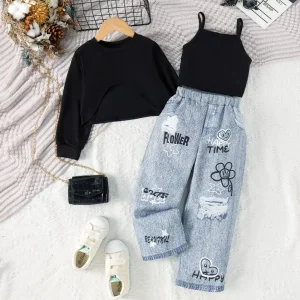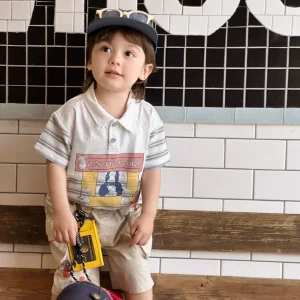
Equatorial Guinea, comprising the mainland Rio Muni (with its economic node in Bata) and the island territory of Bioko (featuring the capital city Malabo), represents a unique, high-potential economy in Central Africa. Historically powered by hydrocarbons, the national economic blueprint focuses heavily on diversification. This shifting macro-landscape, paired with a steadily rising middle-class disposable income, has catalysed a transition from unstructured marketplace consumption to structured, quality-oriented demand in the kids' wear segment.
For retail entrepreneurs, regional distributors, and import firms looking to expand their presence in Central Africa, navigating the children’s clothing sector presents complex requirements. Unlike adult apparel, children's wear must withstand the humid, tropical equatorial climate characterized by heavy seasonal rainfall and high humidity indexes. It also requires compliance with stringent safety metrics to avoid skin irritations and chemical exposures, making the selection of an elite manufacturing partner like Shenzhen SLO Fashion Co., Ltd. a crucial strategic choice.
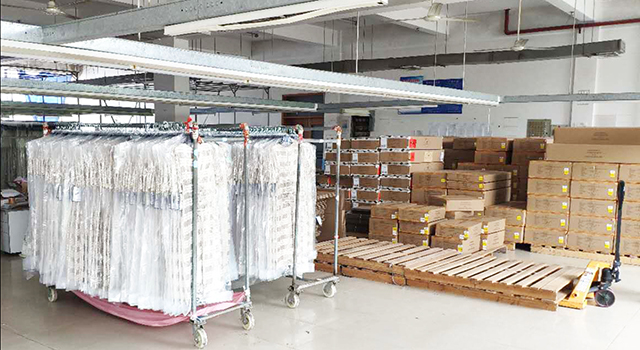
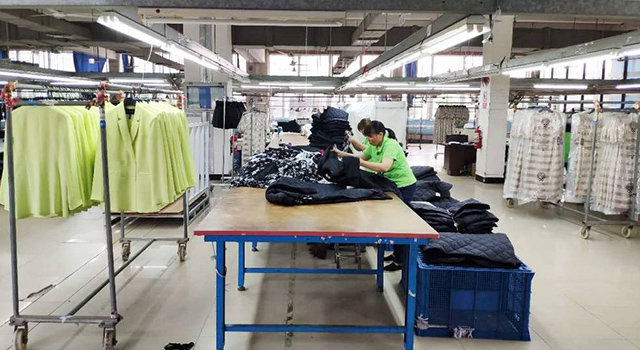
Shenzhen SLO Fashion Co., Ltd. was founded in 2004 and is located in Shenzhen City, Guangdong Province, China. Our parent company was established in Hangzhou in 1990, embedding over three decades of core garment manufacturing heritage within our operational workflow. To accommodate rapid business growth, our state-of-the-art facility was established in Shenzhen, spanning 35,000 square meters.
This facility features an integrated structure that includes a modern manufacturing plant, comfortable staff dormitories, and recreational zones. Employing over 300 highly skilled staff members across both plants, we consistently output upwards of 50,000 high-fashion garments per month. To meet strict international standards, we have invested in innovative, world-class machinery, including:
Utilizing high-performance Italian PGM automatic cutting machinery alongside computerized pattern layouts to achieve dimensional stability and reduce fabric waste to under 2.5%.
Integrated computer-controlled automatic sewing machines, modern template cutting arrays, sleeve-setting components, and dedicated welt pocket opening machines.
Deploying a massive 3.5 x 2 meter heavy-duty fusing machine that ensures durable, delamination-free interlinings, critical for kids' clothing that requires frequent washing cycles.
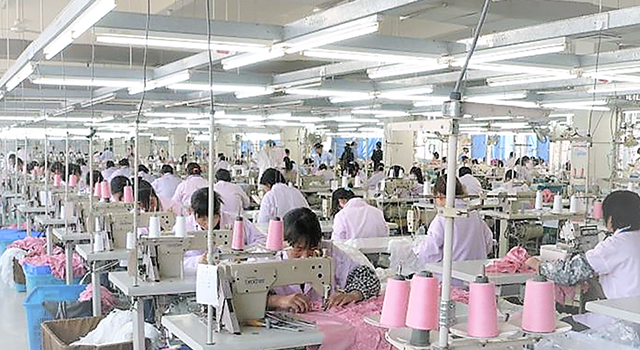
As an Original Design Manufacturer (ODM) for over 25 years, our enterprise is dedicated to manufacturing high-quality apparel for world-renowned brands. Our products are well-received by our business partners across the USA, Europe, and global markets. The core value of SLO Fashion is providing vertically integrated design and production solutions under one roof.
By managing the entire value chain—from initial yarn selection and fabric blending to technical prototyping, embroidery, bulk fabrication, and final logistics—we maintain absolute control over product quality. This vertical layout minimizes manufacturing bottlenecks, offering importers in Malabo and Bata direct factory prices without third-party markups.
Leveraging advanced digital design systems and optimized assembly lines, we achieve scalable production without compromising on garment durability.
Equatorial Guinea has a tropical rainforest climate, with high average temperatures (approx. 26°C / 79°F) and extreme relative humidity that often exceeds 80%. When designing and manufacturing kids' wear for this demographic, traditional generic textiles fail. Children have highly sensitive skin with more active sweat glands relative to body surface area, making them highly susceptible to heat rashes, contact dermatitis, and heat stress.
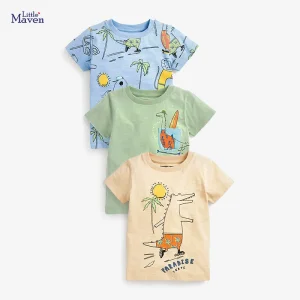
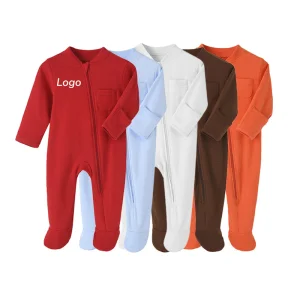
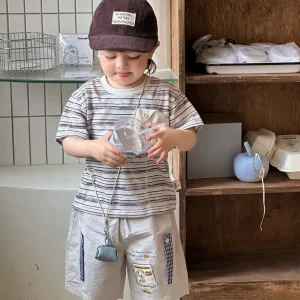
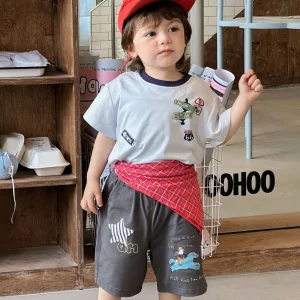
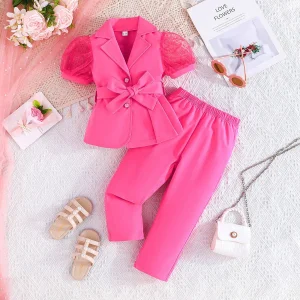
Our custom summer short sleeve sets and baby rompers are constructed using long-staple combed cotton. This ensures maximum moisture wicking, drawing perspiration away from the skin, and allowing rapid evaporative cooling in the tropical heat of Malabo.
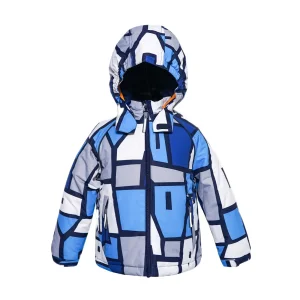
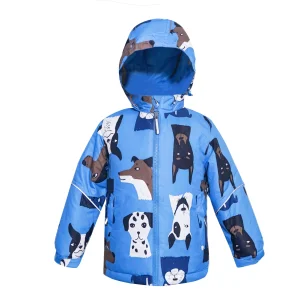
With an annual rainfall exceeding 2,000mm in Bata, kids require active protection. Our geometric print and dog pattern hooded jackets utilize lightweight, microporous TPU membrane lamination. This provides 5,000mm hydrostatic head waterproof performance while remaining highly breathable.
Children's skin is more permeable than adult skin. We strictly eliminate heavy metal dyes, formaldehyde, and phthalates from our fabrics. Every production batch undergoes rigorous safety evaluations to protect toddlers and children.
Get in touch with our design engineers for customized blends of organic cotton, linen, and lightweight technical fabrics.
Our management concept is rooted in the principles of "technology elevated" and "people-oriented". We combine factories equipped with the latest machinery with expert management and financial stability. Adhering to the principles of "perfect quality" and "good reputation", we offer high-grade products, excellent service, and competitive factory-direct pricing.
We are committed to creating a healthy and safe environment, ensuring that everyone enjoys working at SLO Fashion as one family. Our core belief is to enhance the talent of our employees and put them in the right position to succeed. We care about their professional growth and provide training and resources to help them reach their individual career goals while fulfilling our company's mission.
We are expanding our collection to incorporate organic fibers certified by GOTS and recycled polyester. This initiative aligns with global environmental shifts and appeals to conscious consumer bases in key metropolitan centers across Central Africa.
Through real-time manufacturing ERP integration, we offer importers in Equatorial Guinea visibility into every production stage. Tracking starts at dye-batch certification and continues through shipping container loading at Shenzhen Port.
By leveraging digital body scanning data and 3D virtual fit platforms, we accelerate sampling times by 60%, ensuring rapid adjustments to size tables tailored to the domestic market in Equatorial Guinea.
Exporting to Equatorial Guinea requires navigating specific customs frameworks, CEMAC (Central African Economic and Monetary Community) regional tariffs, and shipping lane selections. To support international importers, SLO Fashion has established robust partnerships with major shipping lines to optimize routes from Shenzhen and Guangzhou ports.
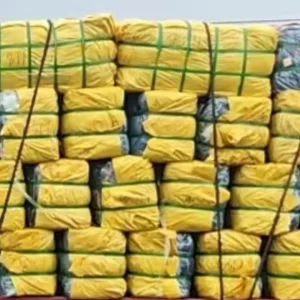
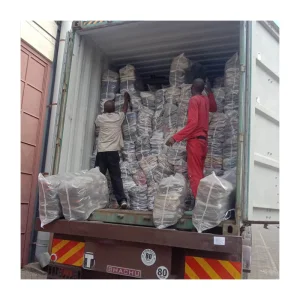
We facilitate LCL (Less than Container Load) and FCL (Full Container Load) ocean transport to the Port of Bata and Port of Malabo. Typical transit times range between 35 and 45 days, with pre-cleared bills of lading to avoid costly port demurrage fees.
We provide full documentation, including SGS inspections, certificates of origin, detailed packing lists, and commercial invoices conforming to the CEMAC customs tariff specifications.
To support growing retail enterprises, we offer diverse payment configurations and trade terms (FOB Shenzhen, CIF Bata/Malabo, or EXW), ensuring smooth financing cycles for importers.
Get quick answers to the technical, commercial, and operational aspects of kids' clothing manufacturing and importing for Equatorial Guinea.

 SLO Fashion