Explore our top-tier manufacturing lines featuring highly breathable, winter-insulated, and custom-designed sportswear designed for direct global export.
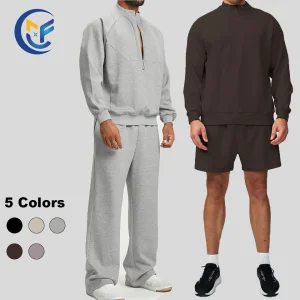

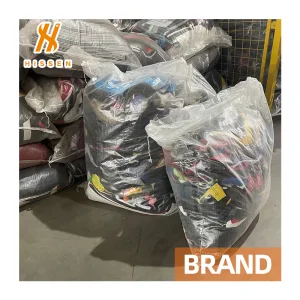
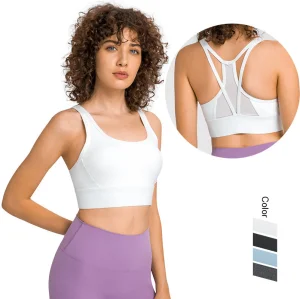
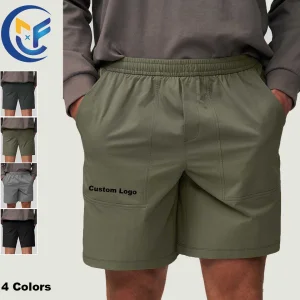

Founded in 2004 in the dynamic industrial hub of Shenzhen, Guangdong Province, China, SLO Fashion traces its legacy to its parent company established in Hangzhou in 1990. Driven by explosive global demand and rapid market expansion, the Shenzhen production base was set up to provide a vertically integrated hub for design, development, and high-capacity export manufacturing.
Covering an expansive 35,000 square meters, the Shenzhen site features state-of-the-art production blocks, ergonomic housing facilities, and specialized recreation zones. Operating as an established ODM for over 25 years, our factories consistently ship high-fashion garments, beachwear, and functional outdoor wear to premium brand partners across the USA, Europe, and Asia-Pacific markets.
An analytical breakdown of textile shifts, consumer demands, and technological advancements dictating global garment imports in 2025.
The global beachwear market is experiencing an unprecedented structural transition. Valued at over USD 22 billion and growing at a steady CAGR of 5.8%, contemporary beachwear is no longer limited to seasonal resort vacations. Modern consumer demands require a convergence of athleisure, activewear, and quick-dry beach apparel. The rise of hybrid lifestyle spaces has prompted a surge in multi-functional garments that easily transition from the surf to the city streets.
This shift requires manufacturers to move away from rigid, single-purpose construction. Modern supply chains are prioritizing dynamic fabric blends, such as recycled nylon-spandex and custom polyester, which offer robust UV protection (UPF 50+) and resistance to chlorine and salt water. In regions like North America and Western Europe, consumers seek high-performance activewear features integrated directly into beachwear, including moisture-wicking and antimicrobial properties.
Global procurement directors and supply chain managers analyze several critical risk variables when choosing an apparel exporter. The primary variables include operational stability, precision engineering, ethical compliance, and raw material traceability. Buyers need partners who can translate digital designs into production-ready patterns while maintaining consistent dimensional accuracy across thousands of units.
For high-end fashion and activewear brands, material wastage during the cutting process can increase costs. The transition to computerized pattern nesting ensures material utilization exceeds 85%, protecting margins for both the supplier and the buyer. Additionally, the ability to tailor garment weight, seam construction, and hardware selection allows brands to customize products for specific target demographics.
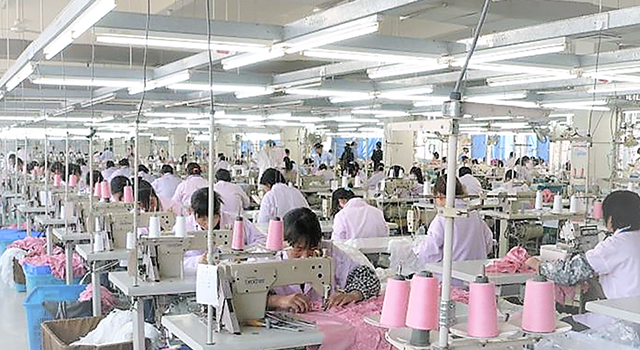
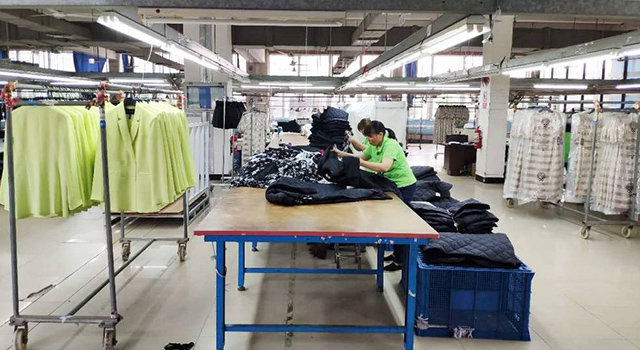
While regional manufacturing hubs in Southeast Asia offer competitive labor costs, China continues to lead in manufacturing efficiency, component supply chains, and technology integration. SLO Fashion leverages this advantage by utilizing advanced machinery that replaces manual techniques with automated, computer-controlled systems.
Our Shenzhen factory is equipped with Italian PGM automatic cutting machines and systems that streamline pattern nesting, fabric spreading, and cutting. This digital workflow allows us to scale production while maintaining consistent sizing. Combined with computer-controlled automatic sewing machines, template cutting devices, specialized sleeve-setting equipment, and welt pocket opening machines, our factory floor operates with high precision. Additionally, our 3.5 x 2 meter heavy-duty fusing machine ensures reliable fabric bonding for complex outerwear and sportswear structures.
Beachwear and activewear requirements vary significantly by region. Successful exporters must customize their product offerings to align with regional consumer behaviors:
Deploying precision manufacturing technology and vertical integration to deliver high-performance apparel.
Our integration of Italian PGM systems allows us to optimize fabric layouts digitally, reducing raw material waste and lowering garment unit costs for our partners.
By combining fabric sourcing, pattern prototyping, and final packing under one roof, we eliminate intermediate logistics fees to offer stable, competitive pricing.
Our quality control program covers raw material testing, inline sewing checks, and pre-shipment inspections. This helps ensure that all delivered garments comply with international standards.
Four major trends defining the development, manufacturing, and consumption of global activewear and beachwear.
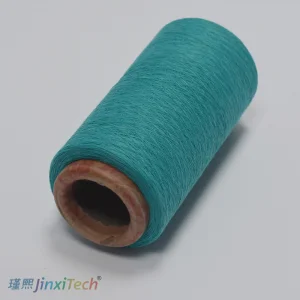
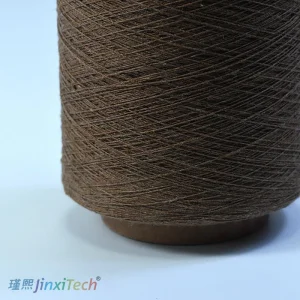
1. Eco-Yarns and Circular Economy Integration: As environmental regulations tighten in major importing regions, brands are shifting toward sustainable textiles. Using recycled cotton-polyester blends and open-end yarns helps reduce plastic waste and lower the carbon footprint of production. This shift supports the transition toward circular supply chains.
2. Smart Fabrics & Functional Finishes: Beachwear and outdoor apparel are increasingly incorporating functional finishes. Features like quick-dry treatments, UV protection, and eco-friendly water repellency are becoming industry standards. Brands are leveraging these properties to offer durable, versatile products for active lifestyles.
3. Advanced Automation: Rising labor costs are driving the adoption of automation. Computerized pocket-welting and template-cutting machines help maintain consistent garment structure and design detail, even in high-volume production runs.
4. Transparent Supply Chains: Modern brands require clear tracing of all manufacturing stages. Choosing vertically integrated partners allows buyers to audit fabric sourcing, labor conditions, and chemical use, which helps build trust with consumers.
Answers to common inquiries regarding our ODM/OEM services, production capacity, and manufacturing capabilities.
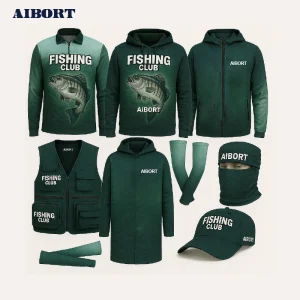
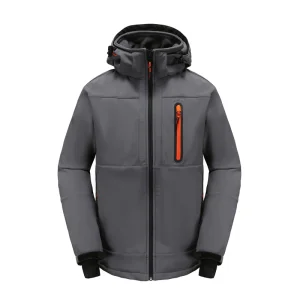
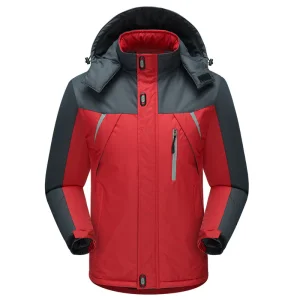
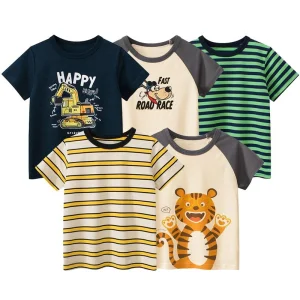
From sun-proof fishing wear to insulated outerwear, discover our functional products designed for international markets.

 SLO Fashion