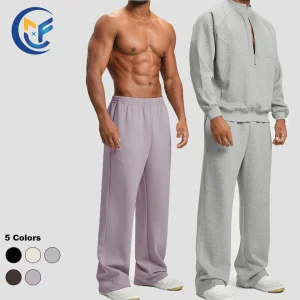
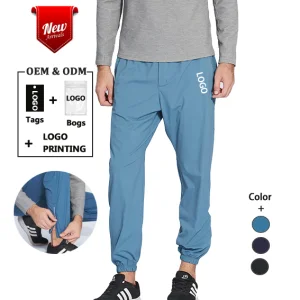
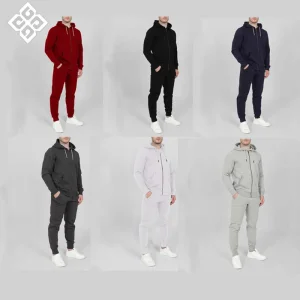
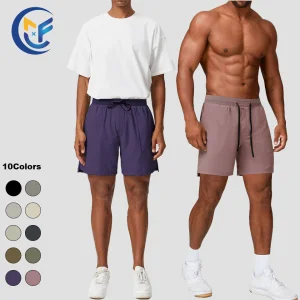
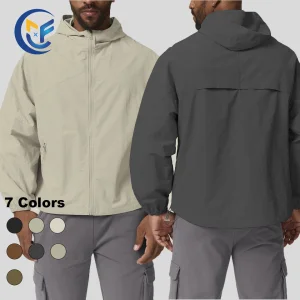
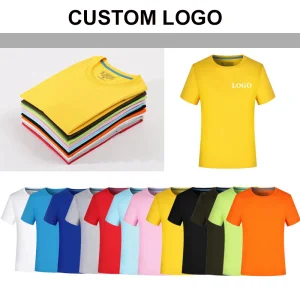
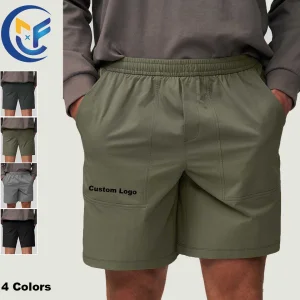
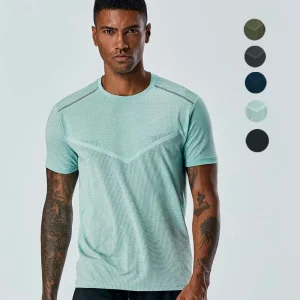
Engineered with quick-drying performance fibers and premium blends designed to excel in extreme climates.
Leveraging 30+ years of manufacturing heritage to deliver flawless precision to brands worldwide.
Founded in 2004 with its core parent company established in Hangzhou in 1990, Shenzhen SLO Fashion Co., Ltd. has developed into a dominant force in global apparel design and manufacturing. Our state-of-the-art facility in Shenzhen covers 35,000 square meters, fully integrating production lines, modern staff dormitories, and vibrant recreational zones to support our 300+ dedicated team members.
To serve the growing demands of dynamic markets like Namibia and Southern Africa, we have integrated our Asian technical foundation with duty-free regional trade frameworks. We specialize in bringing design-led vertically integrated solutions directly under one roof, providing global brands with streamlined logistics, cost reduction, and market-ready quality control.
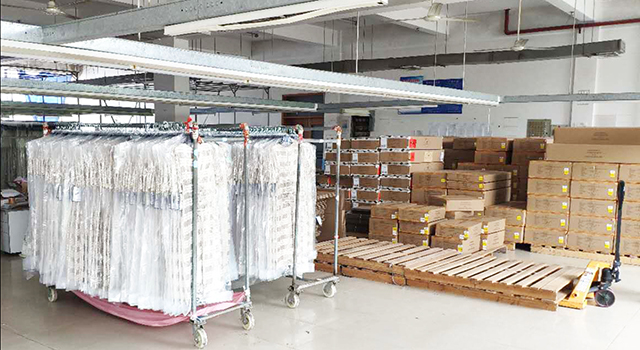
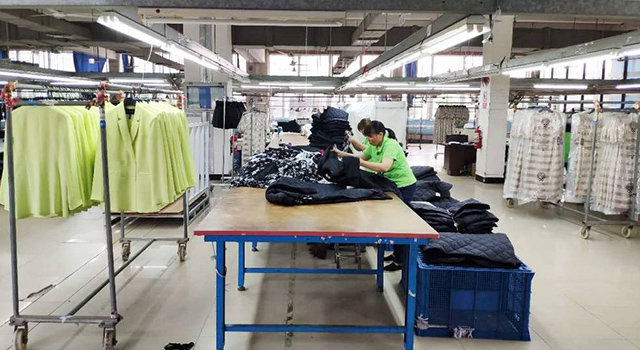
Precision and repeatability are standard across all SLO production lines. Our facility is equipped with industry-leading machinery sourced globally to automate complex operations. Key equipment includes the Italian PGM automatic cutting system, computerized sewing units, high-precision template cutters, automatic sleeve-setting machines, welt pocket opening machines, and a massive 3.5 x 2 meter fusing machine.
This automated configuration guarantees that fabric tension, panel sizing, and stitching patterns remain uniform, virtually eliminating defects. This is crucial for high-performance activewear and heavy-GSM street apparel that must endure demanding physical tests.
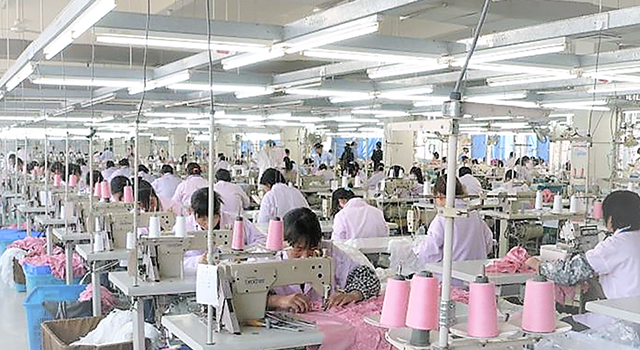
At SLO, we believe in a "technology-elevated" and "people-oriented" approach. We are committed to fostering a safe, healthy, and supportive workplace. Every operator, quality inspector, and pattern maker is treated as family, with access to extensive technical training and resources to achieve their personal career goals.
By investing in our team's welfare and working environment, we maintain high staff retention rates. This stable workforce translates to consistent product craftsmanship and reliable delivery schedules for our long-term brand partners in the USA, Europe, and Southern Africa.
Analyzing Southern Africa's strategic advantages: AGOA benefits, infrastructure upgrades, and local market potential.
Namibia is rapidly positioning itself as a key player in the sub-Saharan apparel manufacturing sector. Guided by the Ministry of Industrialisation and Trade (MIT), the nation is actively working to diversify its economy away from primary extraction toward high-value manufacturing. By establishing specialized industrial zones and streamlining customs clearance, the government has laid the groundwork for robust textile production networks.
A primary incentive for apparel brands in Namibia is the African Growth and Opportunity Act (AGOA). Under AGOA, qualifying Namibian textile exports enjoy duty-free and quota-free access to the United States market. This provides a significant competitive advantage over East Asian facilities, which face importing duties of up to 32% on specific apparel categories. Furthermore, Namibia’s membership in the Southern African Development Community (SADC) and the Southern African Customs Union (SACU) enables seamless, duty-free trade across the region, while bilateral trade agreements offer duty-free access to the European Union.
Namibia features some of the most reliable logistical infrastructure on the continent. The Port of Walvis Bay serves as a key ocean gateway, bypassing shipping bottlenecks common in other regional hubs. Managed by Namport, Walvis Bay boasts deep-water container terminals linked directly to the Walvis Bay Corridors—a network of highways connecting to Botswana, Zambia, Zimbabwe, and South Africa. This infrastructure allows goods manufactured in Namibia to reach US East Coast and Western European ports up to five days faster than shipping routes originating from the Indian Ocean.
Namibia’s climate features significant thermal shifts, from hot, dry days in the Kalahari Desert to cold, damp nights along the Atlantic coast. This variation has shaped local demand for casual wear. Consumers require apparel that is both highly breathable and wind-resistant. By combining synthetic cooling fibers with heavyweight carded cotton, we design garments that adapt dynamically to these temperature shifts, providing versatile comfort throughout the day.
Navigating geopolitical shifts, rising logistics costs, and the transition toward green supply chains.
Global apparel supply chains are undergoing structural changes. Rising shipping costs, geopolitical uncertainties, and strict compliance demands have prompted major brands to transition from single-source manufacturing to a "China+1" model. By maintaining core operations in China while expanding into Southern African hubs, companies can mitigate supply chain risks and maintain competitive pricing.
Global consumers are increasingly demanding supply chain transparency. Modern casual wear must meet strict standards like OEKO-TEX Standard 100 and GOTS (Global Organic Textile Standard). Our factories prioritize these regulations, minimizing waste and using non-toxic, eco-friendly dyes.
The boundary between athletic apparel and everyday casual wear continues to blur. Modern menswear focuses heavily on comfort, durability, and stretch. Our product line adapts to this trend by blending raw organic cotton with high-elongation elastane and moisture-wicking coatings.
Through our integrated model, Shenzhen SLO Fashion Co., Ltd. coordinates manufacturing between our primary facilities in China and emerging delivery nodes in Southern Africa. This approach allows brands to utilize China's advanced fabric sourcing networks and specialized machinery while benefiting from Namibia's preferential duty arrangements and strategic logistics channels.
Our transition from a traditional cut-and-sew factory to an automated, digitally integrated smart manufacturer.
Deploying Italian PGM cutting lines and computerized cutters to achieve fabric yield precision within a 0.2mm tolerance, minimizing waste.
Integrating 3D CAD modeling software to allow brands to view, adjust, and approve prototypes digitally, reducing sample transit times.
Adding RFID tracking to each production batch, providing clients with real-time visibility from initial cutting to shipping container loading.
Transitioning toward fully recycled materials and introducing eco-conscious water filtration systems to recycle 85% of dye-line water.
Designed to perform across Southern Africa's varying environments, from inland deserts to coastal regions.
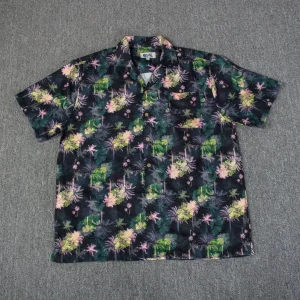
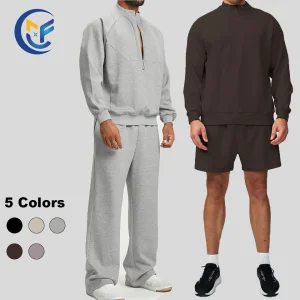
Tailored for Namibia's capital and commercial centers. These designs combine smart aesthetics with breathable cotton blends, offering polished everyday wear that transition easily from business meetings to weekend leisure.
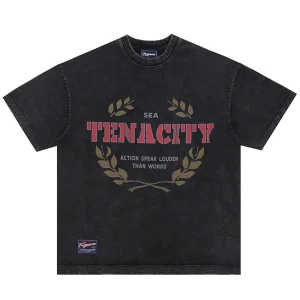
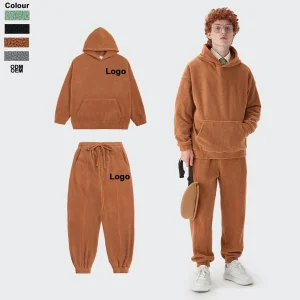
Best Fit: Oversized Heavy Tees & JoggersDesigned for coastal cities like Swakopmund and Walvis Bay, where damp marine fog and cold winds are common. Features lightweight windbreakers and fleece-lined jackets with hydrophobic coatings.
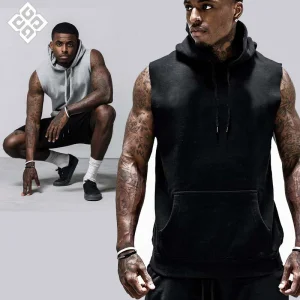
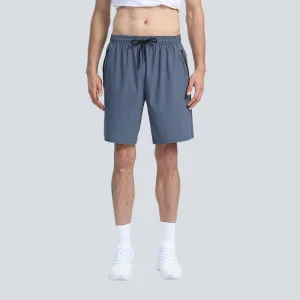
Best Fit: Windbreak Jackets & Fleece SetsDesigned for arid, high-temperature regions. Features quick-drying properties, robust UV protection, and high-stretch synthetic blends that keep athletes and outdoor enthusiasts cool under intense sun.
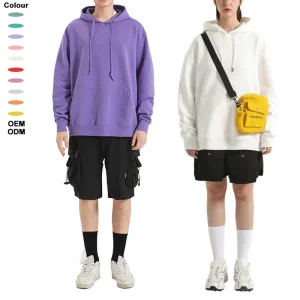
Best Fit: Quick-Dry Shorts & Hooded VestsManufactured using advanced stitching techniques and high-quality materials to meet international wholesale standards.
Durable denim shorts, light tees, and performance wear engineered for active lifestyles.
How we help international brands reduce costs, mitigate risks, and streamline logistics.
We assist clients in structuring logistics to maximize AGOA and SADC benefits, utilizing trade agreements to eliminate import duties for US and EU markets.
Using digital twin models and computerized sewing templates, we reduce prototype turnaround times from weeks to days, helping brands launch collections faster.
Our manufacturing processes align with modern environmental, social, and governance standards, ensuring fair labor conditions and clean waste management.
Answers to common questions regarding customs, logistics, minimum order quantities (MOQs), and manufacturing capabilities.
Get in touch with our design and production teams to discuss custom sourcing options, request samples, or receive a detailed manufacturing quotation.
Send Inquiry Now SLO Fashion